
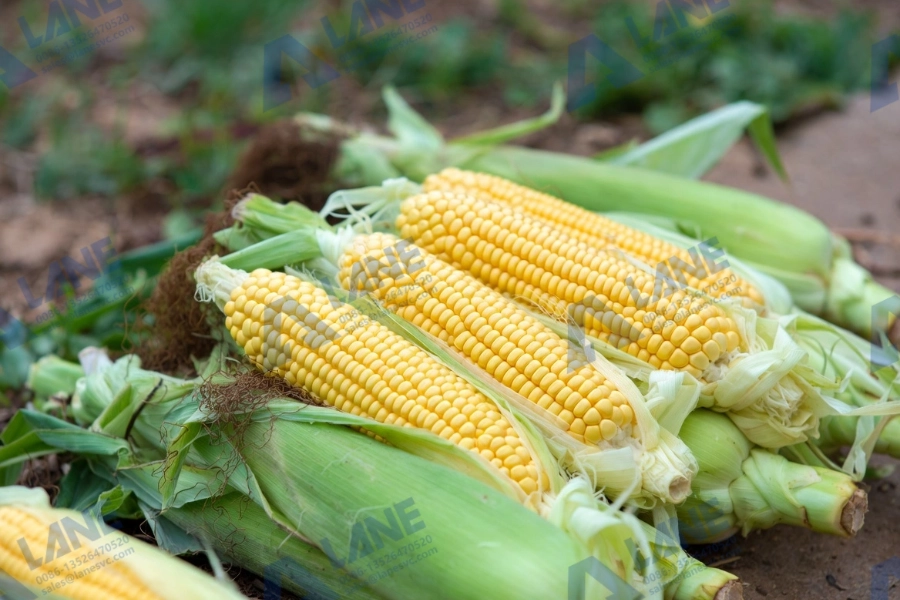
Every farmer wants a green, strong, and healthy field. To get there, you need the right fuel. In the world of farming, phosphorus is that fuel. It acts like a battery, storing and moving energy inside every plant cell. Without it, your plants will stay small, have weak roots, and produce very little fruit.
However, many people ask: what is the best phosphate fertilizer for crops? The truth is, there is no single “magic” bag that works for everyone. A corn field in Iowa needs something different than a vineyard in France or a potato farm in China.
In this article, we will break down how to choose the right phosphate for your specific plants. We will use simple terms and clear steps so you can grow more while spending less.
Before we look at specific crops, let鈥檚 meet the most common types of phosphate fertilizers you will find in the market today.
MAP (Monoammonium Phosphate)
MAP is very popular because it has a high phosphorus content and a bit of nitrogen. It is slightly acidic, which makes it perfect for neutral or alkaline soils. If your soil has a high pH, MAP helps keep the phosphorus available for the plant to drink.
DAP (Diammonium Phosphate)
DAP is perhaps the most widely used phosphate fertilizer in the world. It provides a strong boost of nitrogen alongside phosphorus. It is excellent for broad-acre crops, but you must be careful in very dry soils, as it can release ammonia which might hurt young seeds.
TSP (Triple Superphosphate)
TSP is a “pure” phosphorus source with no nitrogen. It is great if your soil already has plenty of nitrogen or if you are growing legumes (like beans) that make their own nitrogen. It works well in many soil types and is easy for plants to absorb.
MKP (Monopotassium Phosphate)
This is the “premium” choice. It contains phosphorus and potassium but no nitrogen. Because it is 100% water-soluble, it is the best phosphate fertilizer for crops grown in greenhouses or through irrigation systems.
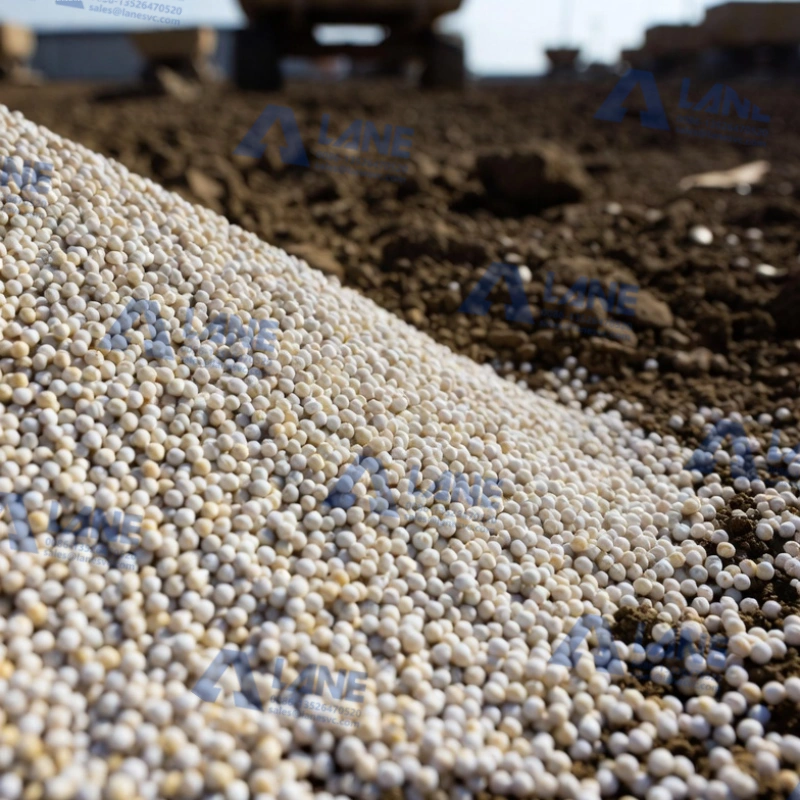
When we talk about field crops like corn, wheat, and rice, we are looking for a “strong start.” These plants need a lot of energy early on to develop a deep root system.
For these crops, DAP and MAP are usually the winners.
If you are growing soybeans or lentils, you might prefer TSP. Since these plants “fix” their own nitrogen from the air, they only need the phosphorus boost to build strong pods.
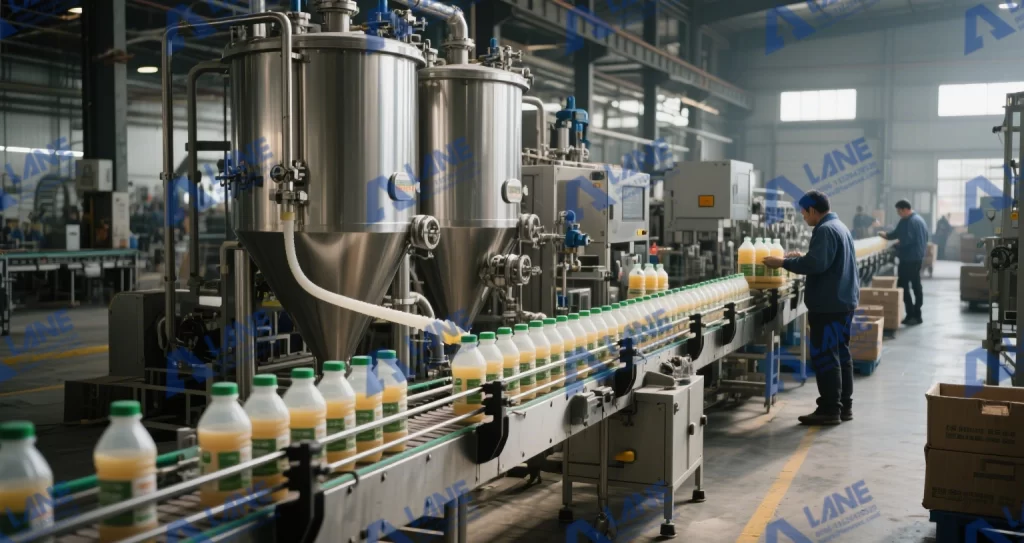
Choosing the right fertilizer is only half the battle. Producing it efficiently is the other half. This is where we come in.
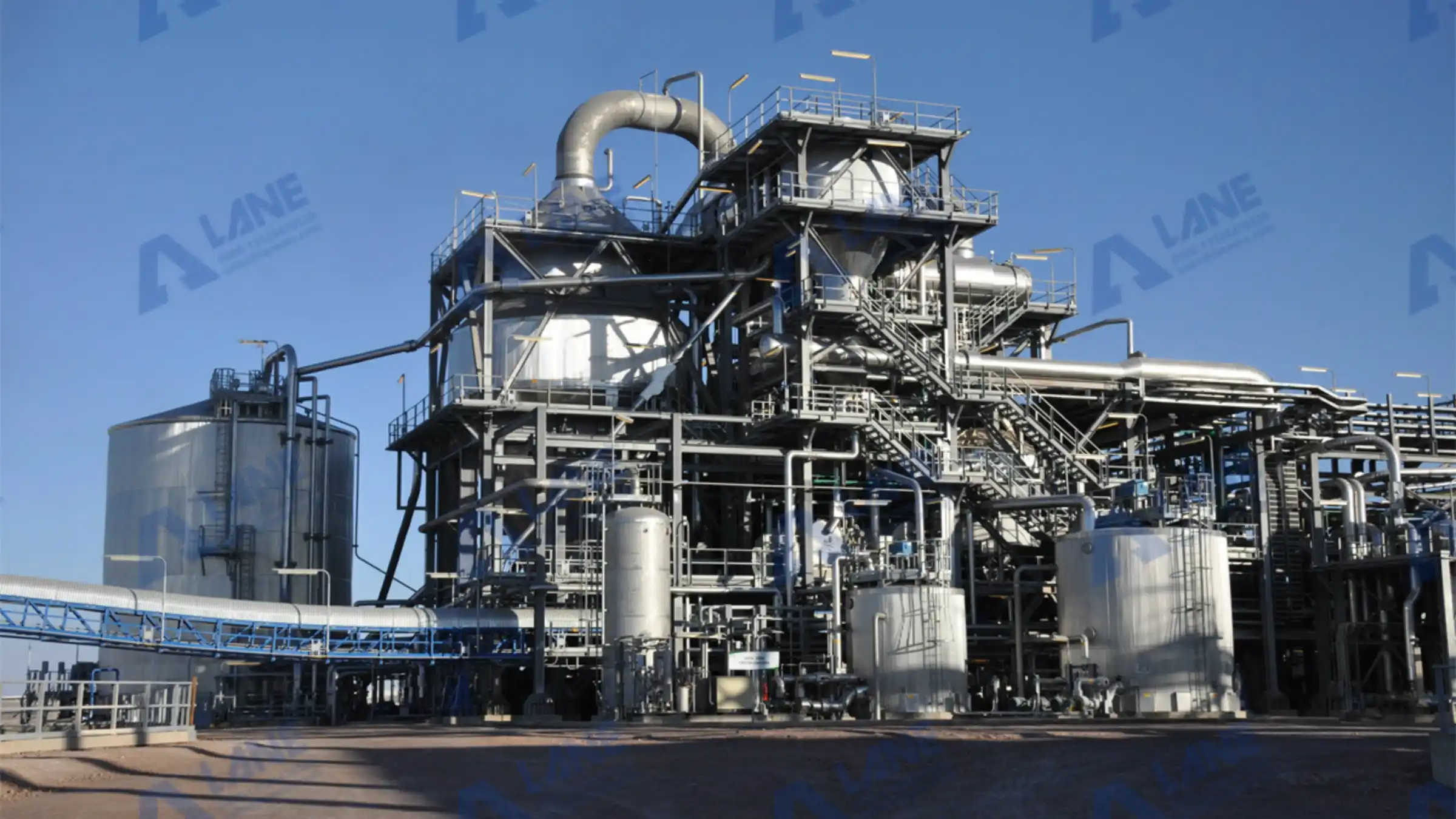
As an industry leader with 20 years of experience, we provide ISO and CE-certified fertilizer production lines. We understand that every region has different soil and every crop needs a different mix. That is why we offer customized equipment that fits your specific needs.
Whether you want to produce organic granules, complex NPK blends, or modern liquid fertilizers, our company supports you from the first design to the final installation. We don’t just sell machines; we provide a one-stop service including full after-sales support. With our technology, you can ensure that the best phosphate fertilizer for crops is manufactured with the highest efficiency and quality standards.
Growing fruit is different from growing grass or grain. You aren’t just looking for height; you want color, sugar, and size.
For fruit trees like apples, citrus, or grapes, the timing of phosphorus is everything.
For these high-value crops, MKP (Monopotassium Phosphate) is often the best phosphate fertilizer for crops. Because it dissolves completely in water, you can spray it directly on the leaves (foliar feeding) or send it through your drip lines. This prevents the phosphorus from getting “stuck” in the dirt and ensures it goes straight into the fruit.
Vegetables like potatoes, carrots, and onions live in the soil. Their “fruit” is the root itself. This means they need a constant supply of phosphorus to build thick, starchy walls.
If you are growing in a greenhouse, liquid APP (Ammonium Polyphosphate) is becoming a top choice. It stays liquid even in cold weather and flows easily through tiny pipes without clogging them.
You could buy the most expensive bag of fertilizer, but if your soil pH is wrong, the plant won’t be able to eat. This is a common mistake.
Always remember: the best phosphate fertilizer for crops is the one that stays “active” in your specific soil type.
To get the most out of your money, follow these simple rules:
As we move into 2026, technology is changing how we feed plants. We are seeing a shift toward precision farming. Instead of covering the whole field, machines now place a tiny, perfect dose of the best phosphate fertilizer for crops exactly where the seed is dropped.
Liquid fertilizers are also growing in popularity. They are easier to mix with other nutrients (like zinc or iron) and react much faster with the plant roots. If you are looking to upgrade your farm, investing in a liquid application system might be your best move this decade.
| Crop Type | Goal | Recommended Fertilizer | Best Time to Apply |
| Corn / Wheat | Strong roots & grain | DAP or MAP | At planting (Base) |
| Potatoes | Starch & skin quality | TSP | Before planting |
| Fruit Trees | Flowers & sweetness | MKP | Before bloom & fruit growth |
| Vegetables | Fast growth & health | APP or NPK Mix | During irrigation |
| Beans / Peas | Pod development | TSP | Early growth |
Finding the best phosphate fertilizer for crops doesn’t have to be complicated.
The most important thing is to pay attention to what your plants are telling you. Purple leaves are often a sign that the plant is “hungry” for phosphorus. By choosing the right product and applying it at the right time, you will see bigger harvests and healthier land.
Farming is a long journey, and having the right tools makes it easier. Whether you are a farmer looking for the right bag of nutrients or a producer looking for the most reliable production line, we are here to help you grow.
For more details, please feel free to contact us.
Henan Lane Heavy Industry Machinery Technology Co., Ltd.
Email: sales@lanesvc.com
Contact number: +86 13526470520
Whatsapp: +86 13526470520
Copyright © Henan Lane Heavy Industry Machinery Technology Co., Ltd.
