
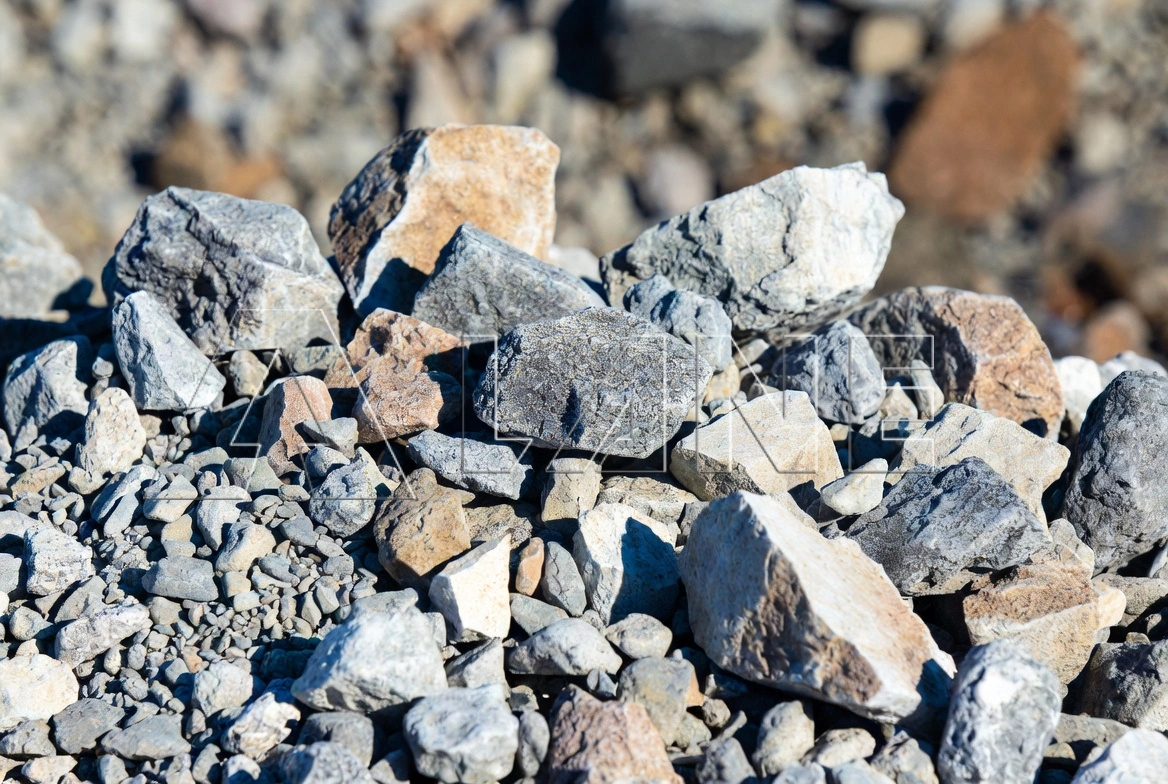
In modern fertilizer plants, the fertilizer crusher for phosphate rock is one of the most important machines. Phosphate fertilizer is widely used in agriculture. But before it becomes usable fertilizer, phosphate rock must be crushed into small particles. This is why a reliable fertilizer crusher for phosphate rock is essential.
A suitable fertilizer crusher for phosphate rock can improve production efficiency, reduce energy consumption, and ensure stable product quality. In this guide, we will explain everything in simple and clear language. You will learn what phosphate rock is, how the hammer crusher works, how it differs from a vertical crusher, what types of crushers are available, and how to choose the right equipment for your production line.
Phosphate rock is a natural mineral resource that contains phosphorus. Phosphorus is one of the three main nutrients required for plant growth. It helps plants develop strong roots and improves flowering and fruiting.
Phosphate rock is mined from underground deposits. In its natural form, it appears as hard and large stones. These stones cannot be used directly in fertilizer production. They must first be crushed into smaller pieces.
This crushing stage is the first step in any phosphate fertilizer production line. Without proper crushing, the following steps cannot operate smoothly.
Why Crushing Is Important in Phosphate Fertilizer Production
A typical phosphate fertilizer production line includes:
Crushing is the starting point. If the raw material is not properly crushed, the grinding process will consume more energy. The mixing process may also become uneven.
A high-quality fertilizer crusher for phosphate rock helps:
In short, crushing directly affects the performance of the entire production line.
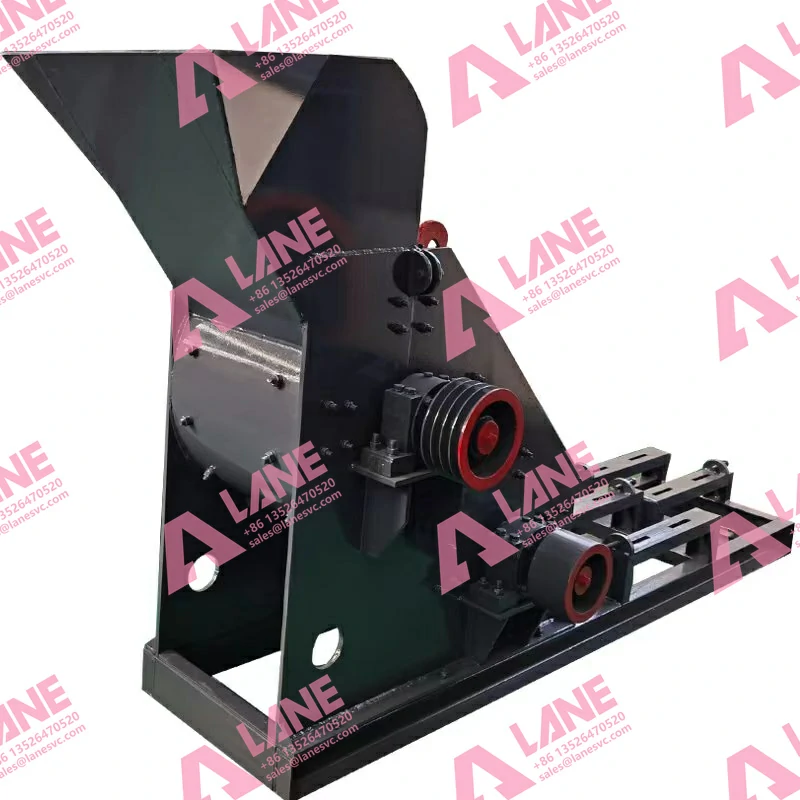
The hammer crusher is the most widely used fertilizer crusher for phosphate rock in fertilizer production plants.
The hammer crusher has a high-speed rotating rotor. On the rotor, there are several hammer heads.
When phosphate rock enters the machine:
This process is simple and efficient.
The hammer crusher has many advantages:
Phosphate rock is usually medium-hard material. The hammer crusher is strong enough to handle it effectively. That is why it is often chosen as the primary fertilizer crusher for phosphate rock in many production lines.
In fertilizer plants, both hammer crushers and vertical crushers are used. However, they serve different purposes.
Working Principle
Hammer crusher:
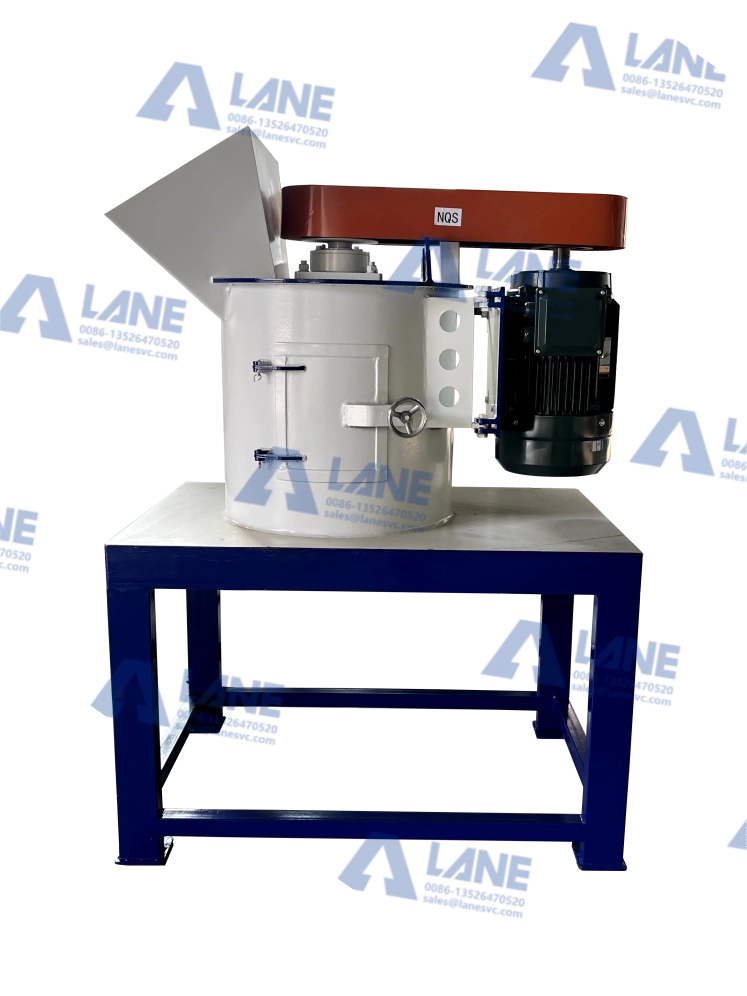
Vertical crusher:
Suitable Materials
Hammer crusher:
Vertical crusher:
More suitable for soft materials
Common in organic fertilizer production
Output Size Control
Maintenance
Hammer crusher:
Vertical crusher:
For phosphate rock crushing, the hammer crusher is usually more stable and durable. Therefore, it is widely used as a main fertilizer crusher for phosphate rock.
Different fertilizer production lines may use different crushers. Below are common types.
Most common choice. Suitable for primary crushing of phosphate rock.
Used when raw phosphate rocks are extremely large. It performs coarse crushing before hammer crushing.
Used for fine crushing. Often applied in organic or compound fertilizer production.
Suitable for compound fertilizer raw materials.
Among these types, the hammer crusher remains the most widely used fertilizer crusher for phosphate rock because of its balance between cost and performance.
When selecting equipment, technical specifications are important. Typical parameters include:
When choosing a fertilizer crusher for phosphate rock, you should ensure that the machine capacity matches your production line capacity. If your production line outputs 15 tons per hour, your crusher must handle at least the same amount.
In a phosphate fertilizer production plant, the crusher is placed at the beginning of the line.
The process is usually:
The crusher influences:
A reliable fertilizer crusher for phosphate rock ensures smooth and continuous operation.
Choosing the right machine is important for long-term success.
Check the hardness and moisture content of your phosphate rock.
Match the crusher capacity with your target production output.
Different fertilizer processes require different sizes.
Select a machine with easily replaceable wear parts.
Quality and after-sales service are critical.
A properly selected fertilizer crusher for phosphate rock can operate smoothly for many years.
Uneven Particle Size
Cause: Worn hammer heads
Solution: Replace hammer heads in time
Low Production Efficiency
Cause: Blocked screen or improper feeding
Solution: Clean screen and ensure stable feeding
High Noise or Vibration
Cause: Rotor imbalance
Solution: Inspect rotor and check installation
Regular inspection and maintenance can extend the lifespan of your fertilizer crusher for phosphate rock.
With more than 20 years of industry experience, we focus on designing and manufacturing fertilizer production equipment. When customers need a fertilizer crusher for phosphate rock, we do not simply provide standard machines. We analyze the raw material condition and production capacity first.
We offer customized fertilizer production lines for organic fertilizer, compound fertilizer, and liquid fertilizer. Our solutions include:
Our company follows ISO9001 quality management standards and our equipment meets CE certification requirements. We pay close attention to equipment durability, performance stability, and safety.
We provide one-stop service from design to operation. Our goal is to help you build a stable, efficient, and profitable phosphates fertilizer production line.
Different models support different capacities. It is best to choose according to your production scale.
With proper maintenance, it can operate for 8–10 years or longer.
It works best for dry or low-moisture materials. High moisture may cause blockage.
If raw phosphate rock is very large, a jaw crusher is recommended for coarse crushing.
Yes. We provide installation guidance, operator training, and long-term service support.
The fertilizer crusher for phosphate rock is a key piece of equipment in phosphate fertilizer production. It determines the efficiency and quality of the entire production line.
Among different types of crushers, the hammer crusher is the most widely used due to its simple structure, strong crushing ability, and low cost. Understanding the difference between hammer crushers and vertical crushers helps you make the right decision.
By choosing the correct fertilizer crusher for phosphate rock, maintaining it properly, and working with an experienced manufacturer, you can ensure stable production and high-quality fertilizer output.
If you are planning to build or upgrade your phosphate fertilizer production line, selecting a reliable and professional equipment supplier is the first step toward long-term success.
For more details, please feel free to contact us.
Henan Lane Heavy Industry Machinery Technology Co., Ltd.
Email: sales@lanesvc.com
Contact number: +86 13526470520
Whatsapp: +86 13526470520
Copyright © Henan Lane Heavy Industry Machinery Technology Co., Ltd.
