
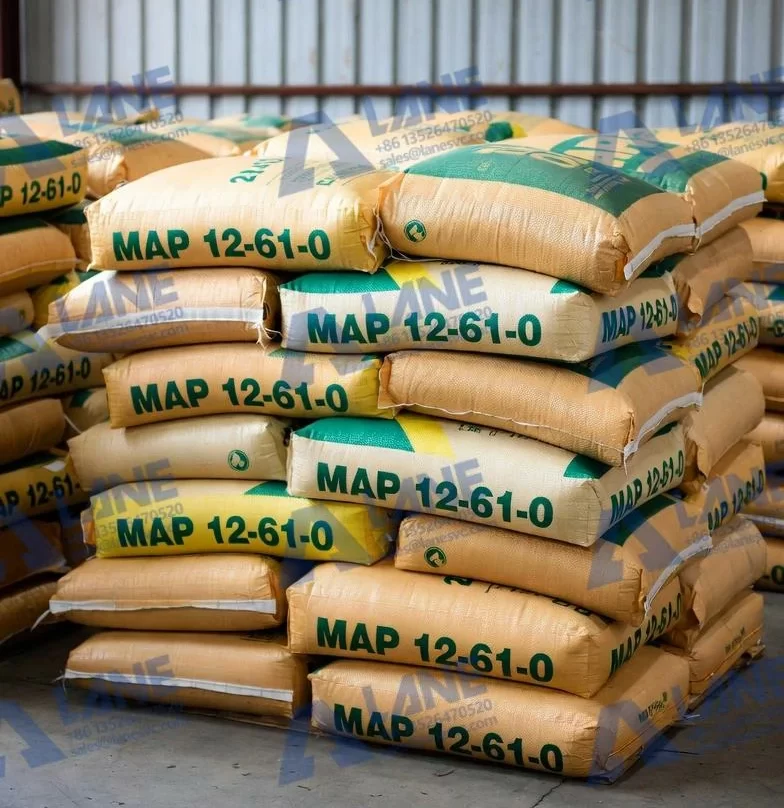
Understanding how to produce MAP fertilizer (Monoammonium Phosphate, typically 11-52-0) has become increasingly important as global agriculture demands higher-efficiency phosphorus products. MAP is valued for its solubility, low ammonia volatilization, and excellent compatibility with blending systems—making it one of the world’s most widely used phosphate fertilizers.
But producing MAP is far more than simply combining ammonia and phosphoric acid. A modern MAP production line relies on chemical balance, controlled granulation, precise moisture management, and energy-efficient drying and cooling. Below is a complete, real-world explanation of how to produce MAP fertilizer on an industrial scale, written not as a list of scattered steps but as a coherent process flow.
Understanding the Core Chemistry Behind MAP
To grasp how to produce MAP fertilizer, start with the essential reaction: phosphoric acid meets ammonia under controlled conditions. The goal is to achieve a stable Monoammonium Phosphate phase—not DAP, not unreacted acids, not free ammonia. This balance depends on pH, temperature, feed ratios, and reaction time.
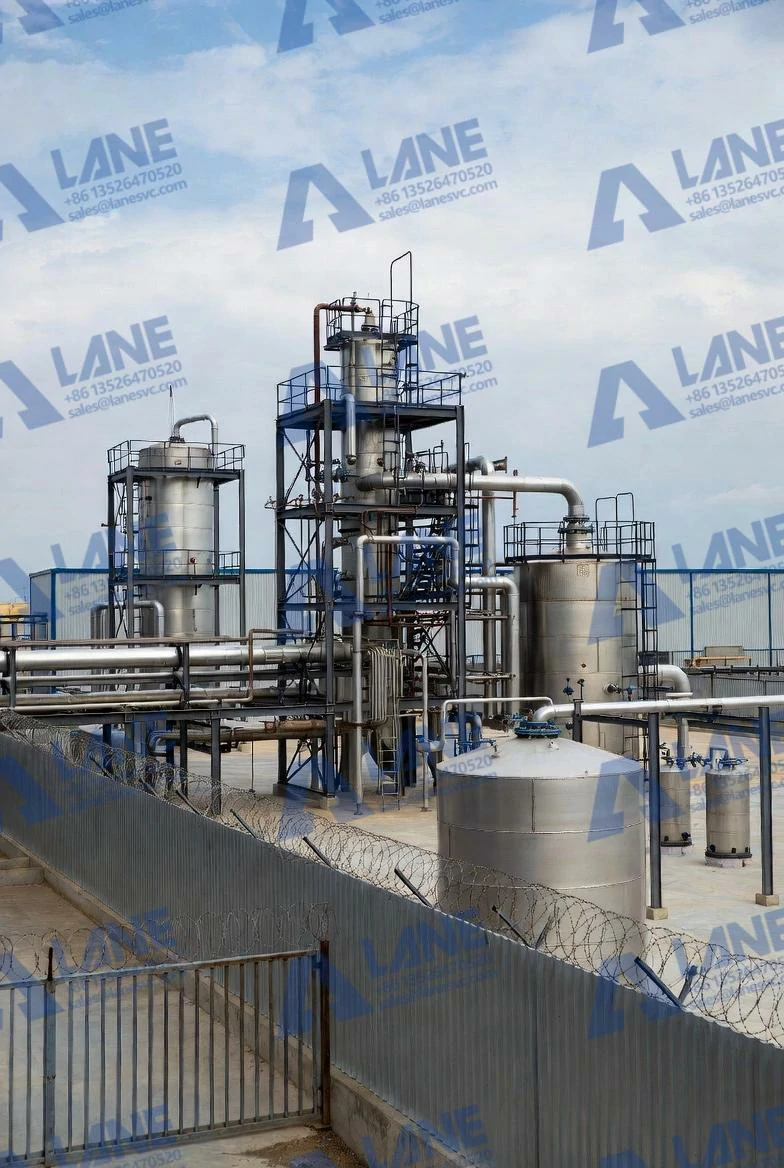
In a typical facility, acid is continuously fed into an ammoniation reactor while gaseous or liquid ammonia is injected. Operators or automated control systems maintain a slightly acidic environment where MAP forms efficiently. The resulting slurry becomes the foundation for granulation.
How MAP Slurry Turns Into Granules
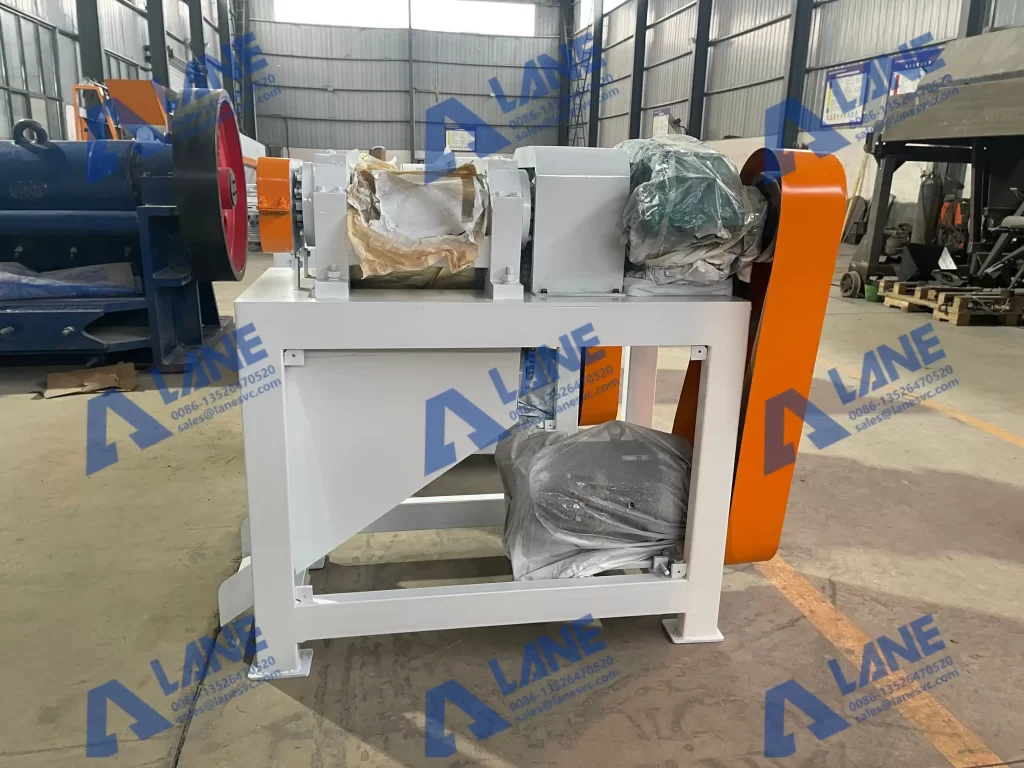
Once the hot MAP slurry leaves the reactor, it is transferred into a double roller granulator, where it binds with recycled seed materials. This is the stage where many plants either succeed or struggle. Well-controlled granulation creates strong, uniform MAP granules that resist caking and hold up during transportation.
The secret to stable granulation lies in balancing four interconnected variables: slurry viscosity, recycle ratio, drum residence time, and internal temperature. When these are well-coordinated—as in advanced systems with automated feedback controls—the granulator produces a remarkably consistent particle size distribution.
LANE-designed granulators, for example, use enhanced lifting plates and optimized internal angles, enabling higher granulation rates with lower recycle ratios. This improves fuel efficiency in downstream drying while helping new facilities reach stable output faster.
Drying MAP to Its Optimal Moisture Range
Knowing how to produce MAP fertilizer also means understanding why moisture content matters. MAP must be dried to around 1.5–2%, otherwise the product will cake during storage or degrade in blending operations. Rotary dryers accomplish this by passing hot air through tumbling MAP granules, evaporating excess moisture without damaging particle structure.
Modern plants often incorporate energy-saving designs: insulation upgrades, automatic temperature feedback loops, and optimized airflow paths. These techniques reduce fuel cost, sometimes by as much as 15–20% over traditional systems.
Cooling and Stabilization: Preparing MAP for Storage
Even after drying, MAP remains warm. Cooling is essential—not just for operator safety but for granule strength. A rotary cooler uses ambient or conditioned air to bring MAP close to room temperature. As the granules cool, they harden, stabilize, and prepare for coating or sizing.
The cooling stage is directly tied to product quality. Insufficient cooling leads to caking; excessive cooling wastes energy. A well-designed MAP line balances both seamlessly.
Screening and Achieving Commercial-Grade MAP
Once cooled, MAP passes through screening equipment designed to separate oversized granules, fines, and on-size product. Oversized particles are crushed and recycled; fines return to the granulator as seed material. The sellable fraction—typically 2–4 mm—is conveyed to the final stage.
This stage directly affects yield. A screening system with the right mesh, vibration frequency, and dust control can increase the proportion of on-size MAP by 5–10%, which translates into thousands of tons per year in a mid-size plant.
Final Coating and Packaging
To ensure the product flows freely during transportation, many producers apply a thin anti-caking coating by using fertilizer coating machine. From there, granules move to storage or bagging lines. Large MAP plants usually integrate bulk storage silos with automated truck-loading systems, while mid-scale facilities rely on 25–50 kg bagging machines.
Why Modern MAP Plants Use Integrated Automation
Anyone studying how to produce MAP fertilizer will quickly realize that achieving steady quality is difficult without automation. Slurry density, drum torque, ammonia flow rate, exhaust temperature—they all change throughout the day. Modern PLC-based systems measure and adjust these variables in real time, reducing operator workload and preventing deviations that could disrupt production.
LANE’s MAP systems use automated ammoniation control, real-time moisture detection, and energy-balanced drying/cooling modules designed specifically for high-phosphorus fertilizers. These features shorten commissioning time and maintain stable granule quality even when operating conditions fluctuate.
Common Challenges in MAP Production (and Real Solutions)
Producers frequently ask why their MAP fertilizer production line struggles with dust, caking, or poor granulation efficiency. Most issues originate from unstable neutralization, inadequate recycle ratios, or outdated dryers that waste heat. Improving any of these areas can significantly increase plant performance.
For example, upgrading to a modern rotary dryer with an optimized flight layout can reduce moisture variability, while installing a stronger scrubbing system keeps emissions compliant and prevents plant corrosion.
The Business Side: Why MAP Production Keeps Growing
Learning how to produce MAP fertilizer is not only about science—it’s also about economics. MAP has become a premium product in phosphate-dependent agricultural regions. Stable demand, high nutrient concentration, and compatibility with NPK blending make MAP a strategic investment for fertilizer manufacturers.
Producers who adopt efficient MAP lines often experience:
Higher sale value due to consistent granule hardness
Lower energy consumption per ton
Reduced downtime
Faster market delivery due to bulk storage compatibility
This explains why countries in Latin America, Southeast Asia, the Middle East, and Africa are rapidly developing new MAP facilities—often starting with mid-size plants between 8 t/h and 20 t/h.
Conclusion
Understanding how to produce MAP fertilizer means understanding chemistry, equipment, control systems, and economic optimization. With the right process flow—neutralization, granulation, drying, cooling, screening, and coating—producers can deliver high-grade MAP that meets modern agricultural demands.
Professional engineering support and well-configured equipment can turn MAP production from a technical challenge into a consistent, high-profit operation. That is why experienced manufacturers like LANE continue to design turnkey MAP fertilizer production lines tailored to different countries, climates, and feedstock conditions.
For more details, please feel free to contact us.
Henan Lane Heavy Industry Machinery Technology Co., Ltd.
Email: sales@lanesvc.com
Contact number: +86 13526470520
Whatsapp: +86 13526470520
Copyright © Henan Lane Heavy Industry Machinery Technology Co., Ltd.
