
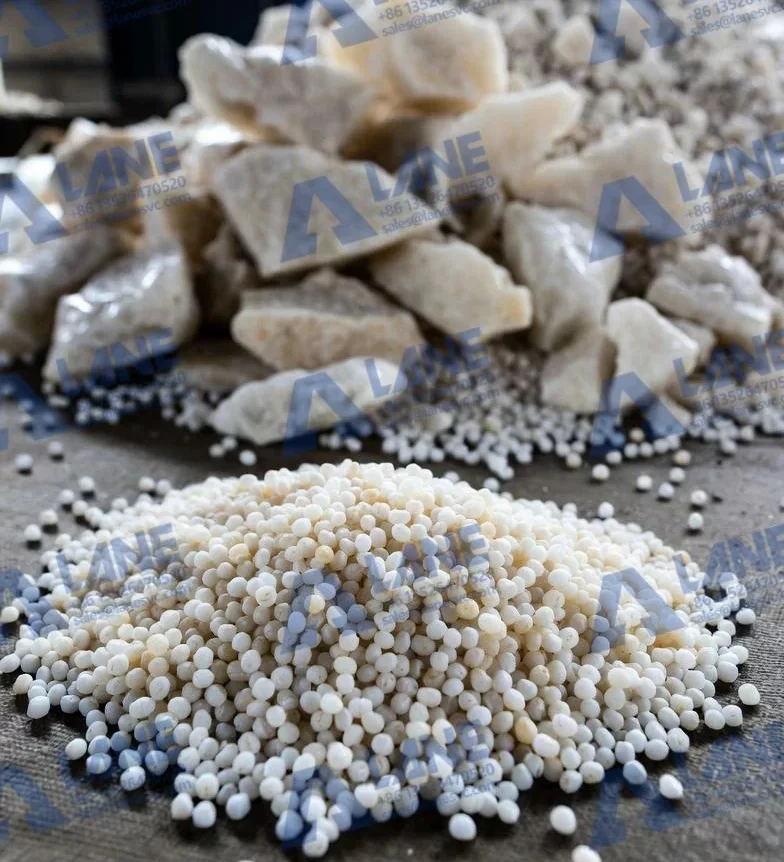
Hey everyone, have you ever wondered how something as simple as fertilizer can totally transform a farm? Well, let’s talk about MAP as base fertilizer in agriculture. MAP, or monoammonium phosphate, is this awesome compound that’s packed with nitrogen and phosphorus, making it a go-to choice for starting crops off strong. Farmers love it because it helps plants build solid roots right from the get-go, leading to healthier growth and bigger harvests. In this article, I’ll break down why MAP as base fertilizer in agriculture is such a big deal, from its everyday uses to the cool tech behind making it.
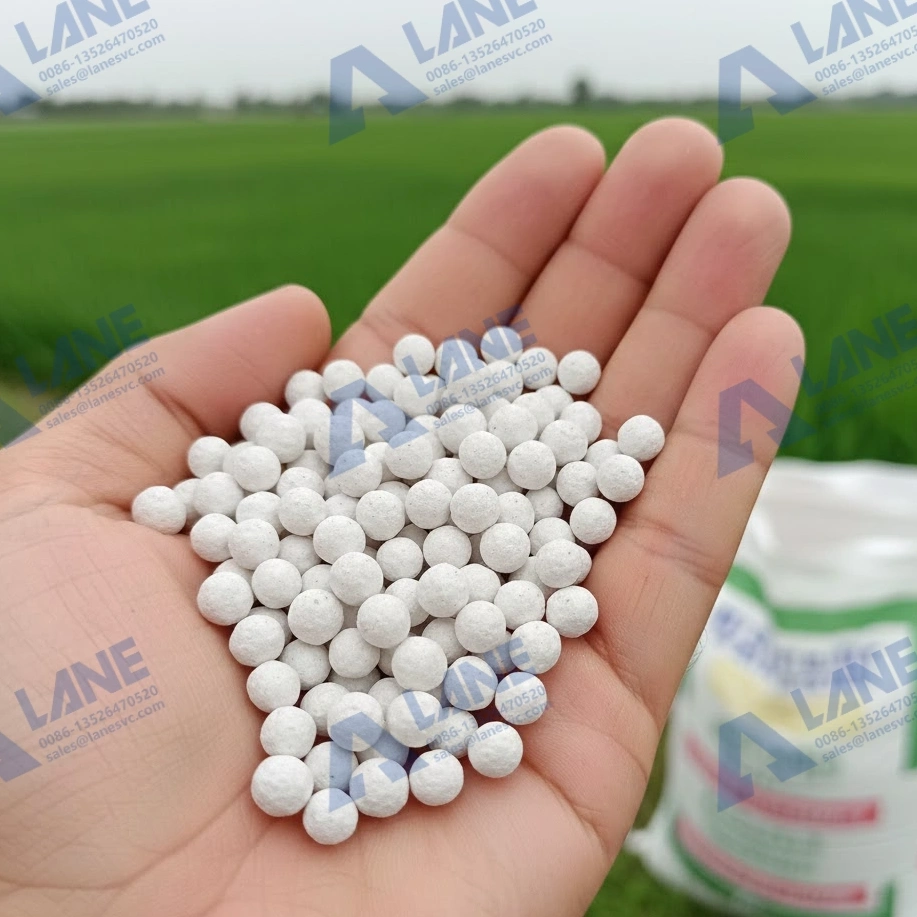
First off, let’s dive into the applications of MAP as base fertilizer in agriculture. It’s super versatile and works great for a bunch of crops like corn, wheat, and veggies. When you apply it at planting time, it gives seeds that initial nutrient kick they need to sprout and thrive in tough soils. I remember reading about how in places with low-phosphorus dirt, like parts of the Midwest, MAP as base fertilizer in agriculture has helped turn average fields into productive ones. It’s not just for big farms either— even backyard gardeners use it to get their tomatoes and potatoes going strong.
One of the biggest perks is its advantages. MAP as base fertilizer in agriculture is water-soluble, so it dissolves quickly and gets absorbed by plants without much hassle. That means less waste and more efficiency, which is huge for the environment. Plus, it’s got a low salt index, so it doesn’t burn young roots like some other fertilizers might. Economically, it saves money because you don’t need as much of it to see results. Studies show that using MAP as base fertilizer in agriculture can increase yields by up to 20% in phosphorus-deficient areas. And hey, it’s pH-neutral in the long run, which helps keep soil balanced and prevents issues like acidity buildup.

Now, how do you actually apply this stuff? The methods for using MAP as base fertilizer in agriculture are pretty straightforward. Broadcasting is popular— you spread it evenly over the field before plowing or planting. For more precision, banding works well, where you place it in rows near the seeds. Rates depend on soil tests, but usually, it’s around 100-200 kg per hectare for grains. Mix it with other fertilizers if needed, but always incorporate it into the soil to avoid losses from rain. Tools like spreaders or drills make it easy, and timing is key— apply in fall or early spring for best uptake.
Of course, there are some things to watch out for. When handling MAP as base fertilizer in agriculture, wear gloves because it can irritate skin. Don’t overapply, as that could lead to nutrient runoff and pollute water sources. Check your soil pH first; MAP works best in slightly acidic to neutral grounds. Also, store it in a dry place to prevent caking. If you’re mixing with other chems, test compatibility to avoid reactions. Following these tips ensures MAP as base fertilizer in agriculture does its job without causing problems.
Shifting gears, let’s geek out on how MAP is made. The production of MAP as base fertilizer in agriculture involves some neat equipment and processes. At our company, LANE, we’ve been specializing in manufacturing fertilizer machinery in China for over 20 years. We have a professional engineering team that designs, manufactures, and installs whole fertilizer production lines tailored to your needs. As a trusted supplier, we provide full-scale services from installation to after-sales support, ensuring everything runs smoothly with ISO 9001 and CE quality standards. We’re especially good at NPK production lines, organic fertilizer machines, and compound fertilizer equipment, which are perfect for creating high-quality MAP.
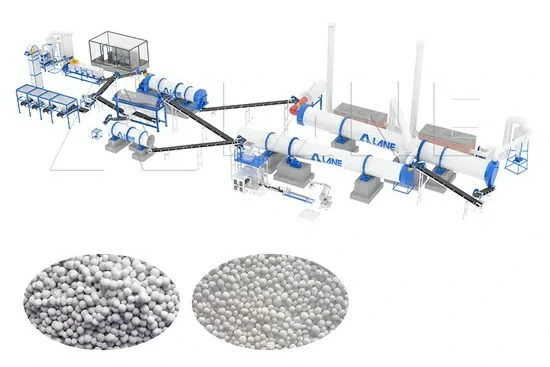
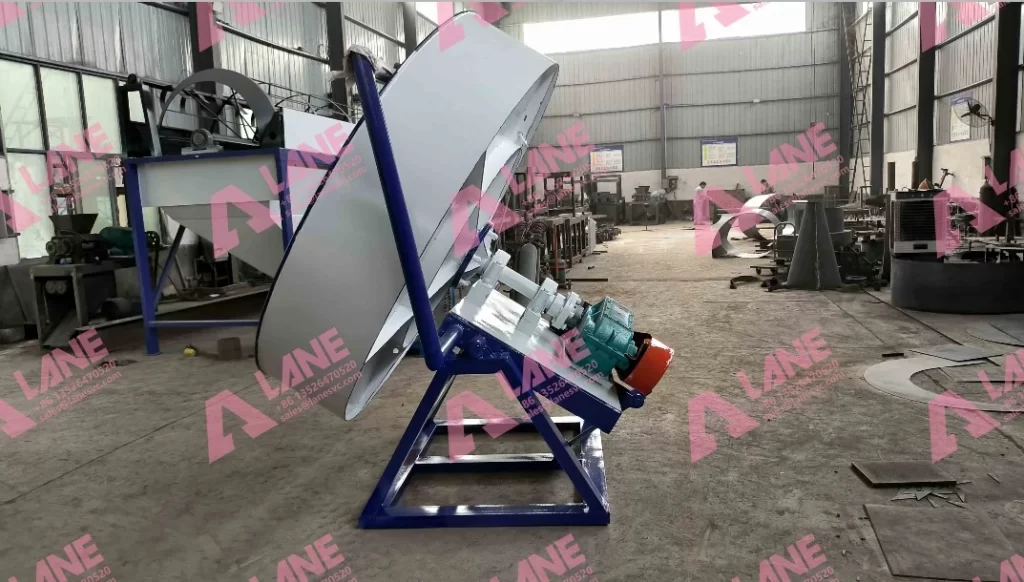
The production craft flow starts with raw materials like phosphoric acid and ammonia. In the reactor, they’re mixed under controlled heat and pressure to form the slurry. Then, it goes through granulation, where the mix is shaped into granules using rotary drum granulators or disc granulators— these are key pieces of equipment we at LANE excel in building. Drying follows in a rotary dryer to remove moisture, and screening sorts the sizes. Cooling and coating wrap it up to make the final product stable and easy to handle. Key tech points include precise pH control during reaction to hit that 4.4-4.7 sweet spot, and energy-efficient drying to cut costs. Automation in our LANE lines uses sensors for real-time monitoring, reducing errors and boosting output.
Looking ahead, the future of MAP as base fertilizer in agriculture is looking bright in modern farming. With climate change messing with weather, MAP’s quick-release nutrients could help crops adapt faster. Precision agriculture tech, like drones and soil sensors, will make applying MAP as base fertilizer in agriculture even smarter, minimizing waste. Sustainable blends with bio-additives might emerge, making it more eco-friendly. In developing regions, affordable production tech from companies like ours at LANE could spread its use, fighting food insecurity. Imagine MAP integrated with AI for customized fert plans— that could revolutionize yields while protecting the planet.
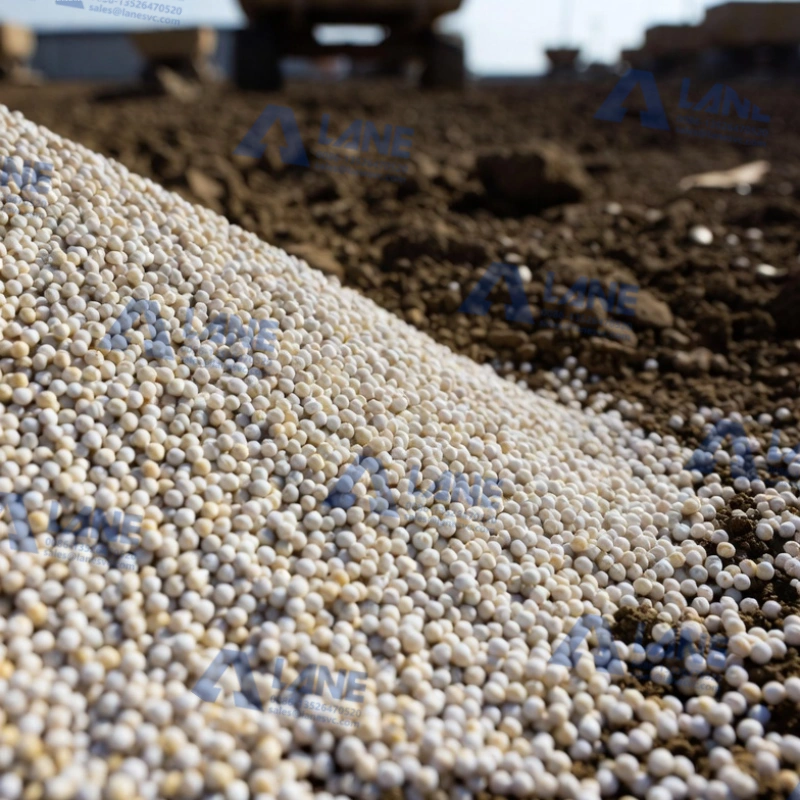
But wait, there’s more to why MAP as base fertilizer in agriculture stands out. Its role in no-till farming is huge, preserving soil structure while delivering essentials. Farmers in Australia have shared stories of how switching to MAP as base fertilizer in agriculture cut their erosion issues in half. And in organic-ish systems, it’s sometimes allowed as a supplement, bridging conventional and natural methods.
Back to production, one cool tech point is the use of scrubbers in exhaust systems to capture emissions, making the process greener. At LANE, we incorporate these in our designs to meet global standards. The granulation step is critical— poor control leads to dusty product, but with our engineering, we ensure uniform particles for better flow.
As we push into the future, MAP as base fertilizer in agriculture might team up with microbes for enhanced nutrient delivery. Research is buzzing about nano-MAP versions that release slowly, extending benefits. In urban farming, like hydroponics, MAP as base fertilizer in agriculture could be a staple for nutrient solutions. With global population growth, efficient fertilizers like this are key to feeding everyone without expanding farmland.
Wrapping up, MAP as base fertilizer in agriculture isn’t just a tool— it’s a partner for smarter, greener farming. From its simple applications to advanced production, it’s got so much potential. If you’re into ag, give it a try and see the difference. And remember, for top-notch equipment, LANE is here with our expert team to build the perfect setup for you. Farming’s future is exciting, and MAP is right at the heart of it!
For more details, please feel free to contact us.
Henan Lane Heavy Industry Machinery Technology Co., Ltd.
Email: sales@lanesvc.com
Contact number: +86 13526470520
Whatsapp: +86 13526470520

Copyright © Henan Lane Heavy Industry Machinery Technology Co., Ltd.
