

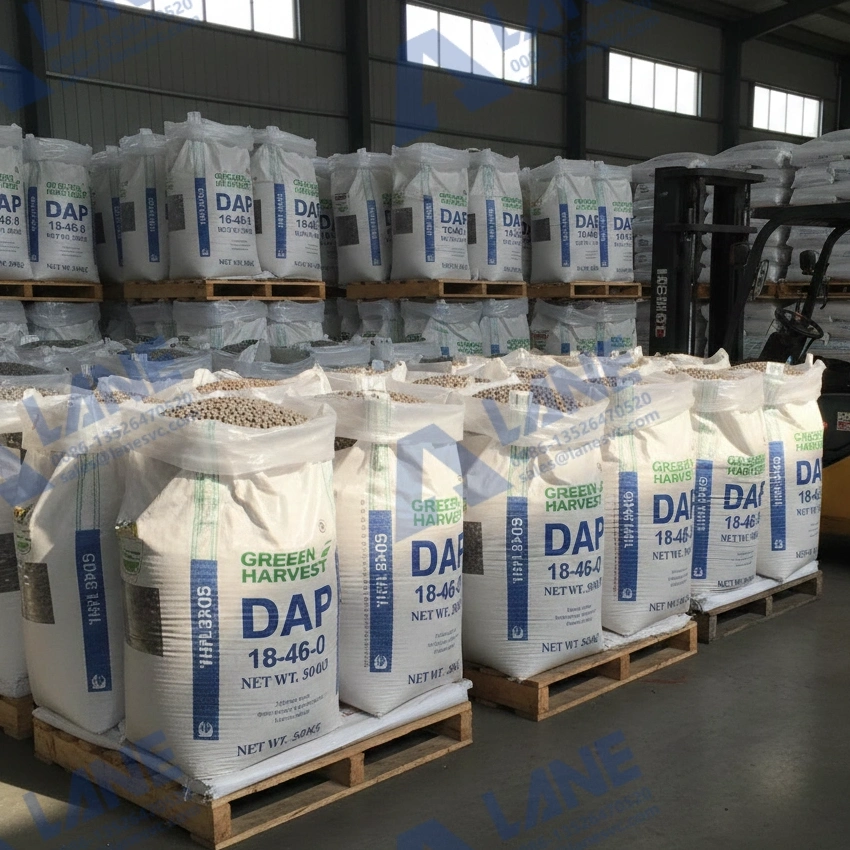
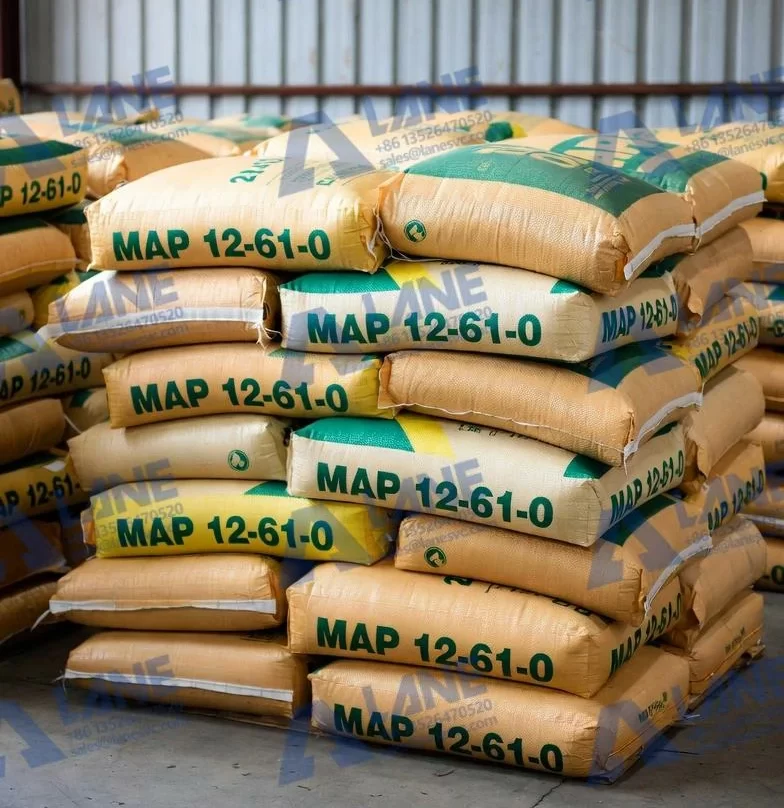
MAP fertilizer for soybean is widely used because soybean plants require high levels of phosphorus during early growth. Strong roots determine later yield. MAP fertilizer for soybean provides nitrogen and phosphorus in a highly soluble form. It works quickly in the soil and supports healthy flowering and pod development.
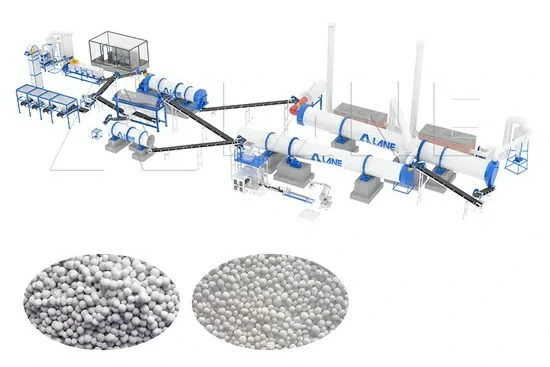
As demand continues to grow, many fertilizer manufacturers are investing in MAP fertilizer for soybean production lines. However, stable production depends on reliable equipment and professional engineering design. With more than 20 years of experience in fertilizer machinery manufacturing, we design and build complete production systems. We not only supply equipment, but also provide installation, commissioning, and long-term technical support.
The production of MAP fertilizer for soybean follows a clear sequence. Each stage must operate smoothly to ensure consistent quality.
First, raw materials such as phosphoric acid and ammonia are prepared. In some compound production processes, fillers may also be added. After raw materials are ready, they move through crushing, batching, mixing, granulation, drying, cooling, screening, coating, and packaging stages.
Every machine in this system plays an important role. We design the entire layout according to factory size and production capacity to ensure efficient material flow and stable operation.
In a standard MAP fertilizer for soybean production line, several key machines are required.
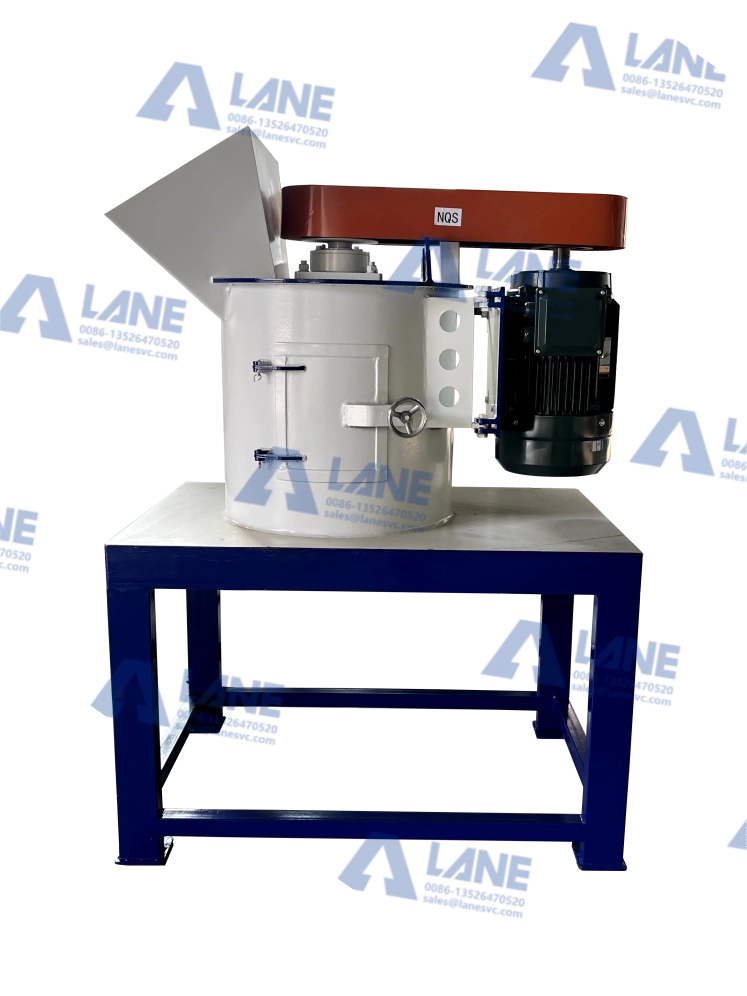
The production begins with the Vertical Chain Crusher or sometimes a Hammer Crusher. These machines reduce large raw materials into smaller and more uniform particles. Uniform particle size improves mixing quality and ensures smooth granulation later.
After crushing, materials enter the Automatic Batching Machine, also called the Static Batching System. This system includes electronic belt scales, weighing hoppers, and a PLC control cabinet. Accurate batching is essential because incorrect ratios will directly affect the nutrient balance of MAP fertilizer for soybean. Our batching systems are designed for high precision and stable long-term performance.
Next comes the mixing stage. The most commonly used machine is the Horizontal Ribbon Mixer. For larger capacity lines, we may use a Double Shaft Paddle Mixer. These mixers ensure materials are evenly blended before granulation. Uniform mixing guarantees that every granule of MAP fertilizer for soybean contains consistent nutrient content.
Granulation is the core step. The Rotary Drum Granulator is widely used for large-scale production because it offers stable performance and high output. For medium or small production lines, the Disc Granulator, also known as the Pan Granulator, is a practical option. In some energy-saving systems, the Double Roller Extrusion Granulator is selected for dry granulation without a drying process. We choose the most suitable granulator according to customer capacity, investment budget, and product requirements.
After granulation, moisture content is high. The product must pass through a Rotary Drum Dryer. This machine removes excess water and improves granule hardness. The dryer is usually supported by a Hot Blast Stove, which provides heat energy. We help customers select fuel types such as gas, coal, diesel, or biomass based on local conditions. Our drying systems focus on energy efficiency to reduce operating costs.
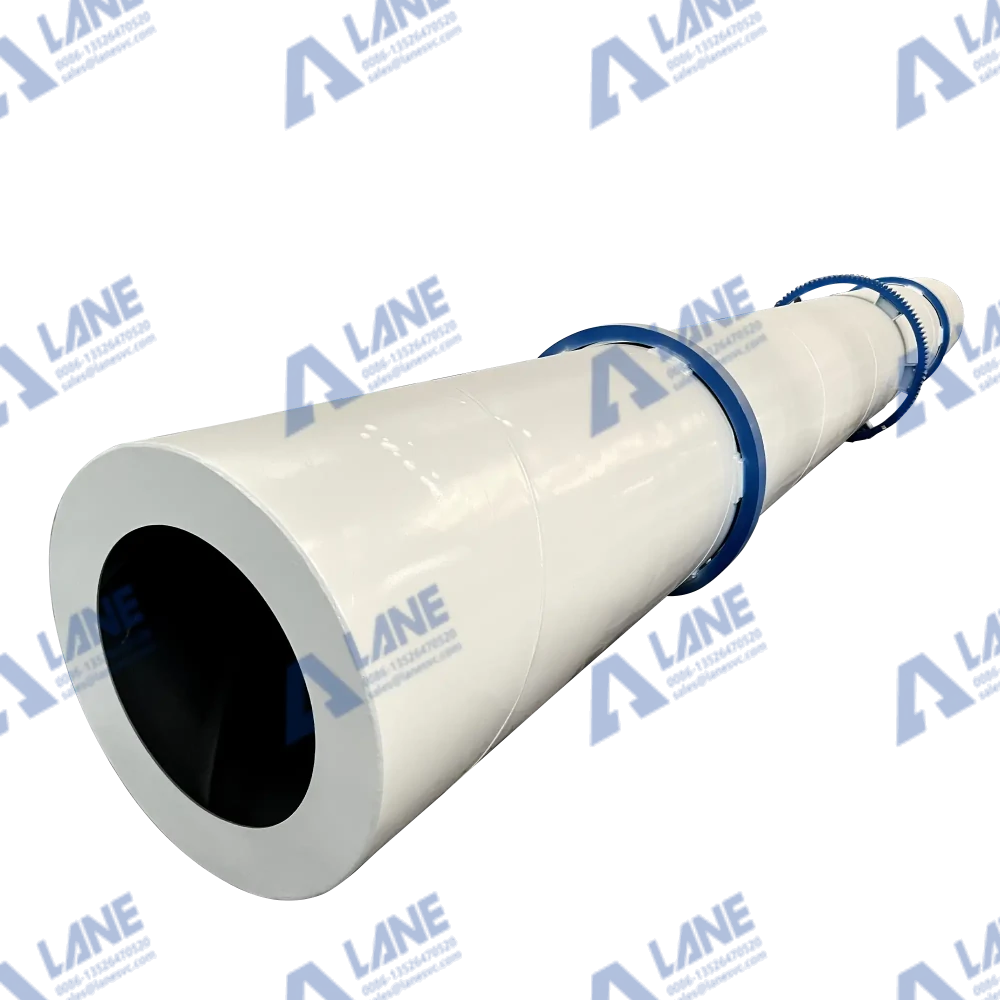
Once drying is complete, the fertilizer enters the Rotary Drum Cooler. Cooling reduces product temperature and prevents caking during storage. Proper cooling also improves the physical strength of MAP fertilizer for soybean.
The next step is classification. The Rotary Screening Machine, also called the Rotary Screener, separates qualified granules from oversized or undersized particles. Unqualified materials are returned to the crusher for reprocessing. This process improves raw material utilization and ensures uniform final product size.
To improve storage performance, the fertilizer may pass through a Rotary Coating Machine. This machine applies an anti-caking layer to the surface of the granules. Finally, the product enters the Automatic Weighing and Packing Machine, which includes a weighing system, bag clamping device, conveyor belt, and sewing machine. Accurate packaging improves efficiency and enhances the brand image of MAP fertilizer for soybean.
Throughout the production line, material transfer equipment such as the Belt Conveyor and Bucket Elevator connects each stage. For environmental protection, a Cyclone Dust Collector is installed to reduce dust emissions and improve the working environment.
With over two decades of experience, we integrate all these machines into a coordinated and efficient system. Our professional engineering team customizes each production line according to customer requirements. All equipment is manufactured in compliance with ISO9001 and CE standards to ensure safety and reliability.
Regular cleaning is essential to maintain stable MAP fertilizer for soybean production. Residual material can harden inside machines, especially in mixers, granulators, and dryers. If not removed in time, it may reduce efficiency or cause blockages.
After each production shift, operators should remove leftover materials from the Horizontal Ribbon Mixer, Rotary Drum Granulator, and conveyor belts. Discharge ports should also be checked to prevent buildup. Weekly inspections should include the interior of the Rotary Drum Dryer and Rotary Screening Machine. Dust collectors should be cleaned to maintain airflow.
Cleaning should be done using compressed air or soft tools. Corrosive chemicals are not recommended because they may damage machine surfaces. During project delivery, we provide detailed operating manuals and on-site training so customers fully understand proper cleaning procedures.
Preventive maintenance ensures long-term stable production of MAP fertilizer for soybean. Lubrication is one of the most important tasks. Bearings in the Rotary Drum Granulator, Rotary Drum Dryer, and Bucket Elevator must be lubricated regularly. Gearboxes should be inspected to avoid abnormal wear.
Electrical systems also require attention. The PLC control cabinet and motor wiring should be checked periodically. Stable electrical control ensures accurate batching and smooth equipment coordination.
Mechanical inspection is equally important. Operators should monitor unusual noise, vibration, and temperature changes. Early detection of problems can prevent major breakdowns.
We provide long-term after-sales service, spare parts supply, and technical support. Our experienced team responds quickly to customer inquiries and provides practical solutions. We do not only sell machines; we stay involved throughout the entire lifecycle of the production line.
Even the best equipment requires professional installation. Improper installation can affect performance and lifespan.
We provide full-process services including factory layout design, foundation drawing guidance, on-site installation supervision, and commissioning. During commissioning, we test each machine, adjust operating parameters, and ensure the entire MAP fertilizer for soybean production line runs smoothly.
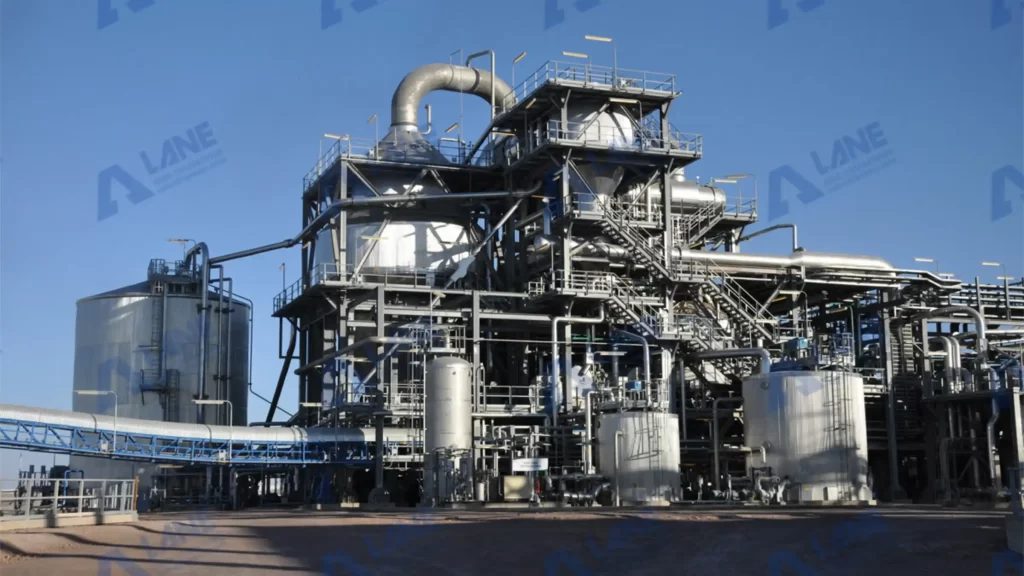
Operator training is also part of our service. We make sure local staff understand daily operation, cleaning procedures, and maintenance requirements. Our one-stop service model helps customers start production quickly and safely.
The future of MAP fertilizer for soybean production focuses on automation, energy efficiency, and environmental protection. Modern production lines increasingly use intelligent PLC control systems with sensor monitoring. These systems improve precision and reduce labor costs.
Energy-saving technology is also becoming more important. High-efficiency motors and optimized Rotary Drum Dryer designs reduce fuel consumption. Environmental requirements continue to rise, so advanced dust removal systems and emission control equipment are now standard components.
We continuously upgrade our technology to meet these trends. Our engineering team develops flexible and modular production systems that allow customers to adjust formulas and expand capacity easily.
With more than 20 years of experience in fertilizer machinery manufacturing, we have built strong expertise in designing and installing MAP fertilizer for soybean production lines. Our professional engineering team provides customized equipment solutions based on capacity, factory layout, and budget.
We specialize in organic fertilizer, compound fertilizer, liquid fertilizer, and MAP fertilizer for soybean equipment. From design to installation and long-term maintenance, we provide comprehensive support. All our machines meet ISO9001 and CE international quality standards.
Our goal is simple. We help customers build efficient, stable, and profitable fertilizer production plants.
MAP fertilizer for soybean plays a vital role in improving soybean growth and increasing yield. Producing high-quality MAP fertilizer for soybean requires a complete system that includes the Vertical Chain Crusher, Automatic Batching Machine, Horizontal Ribbon Mixer, Rotary Drum Granulator, Rotary Drum Dryer, Rotary Drum Cooler, Rotary Screening Machine, Rotary Coating Machine, and Automatic Packing Machine.
Each piece of equipment must operate smoothly. Proper cleaning and maintenance ensure long-term stability. With our professional experience, customized design capability, and comprehensive after-sales service, we help customers build reliable MAP fertilizer for soybean production lines that operate efficiently for many years.
For more details, please feel free to contact us.
Henan Lane Heavy Industry Machinery Technology Co., Ltd.
Email: sales@lanesvc.com
Contact number: +86 13526470520
Whatsapp: +86 13526470520
Copyright © Henan Lane Heavy Industry Machinery Technology Co., Ltd.
