
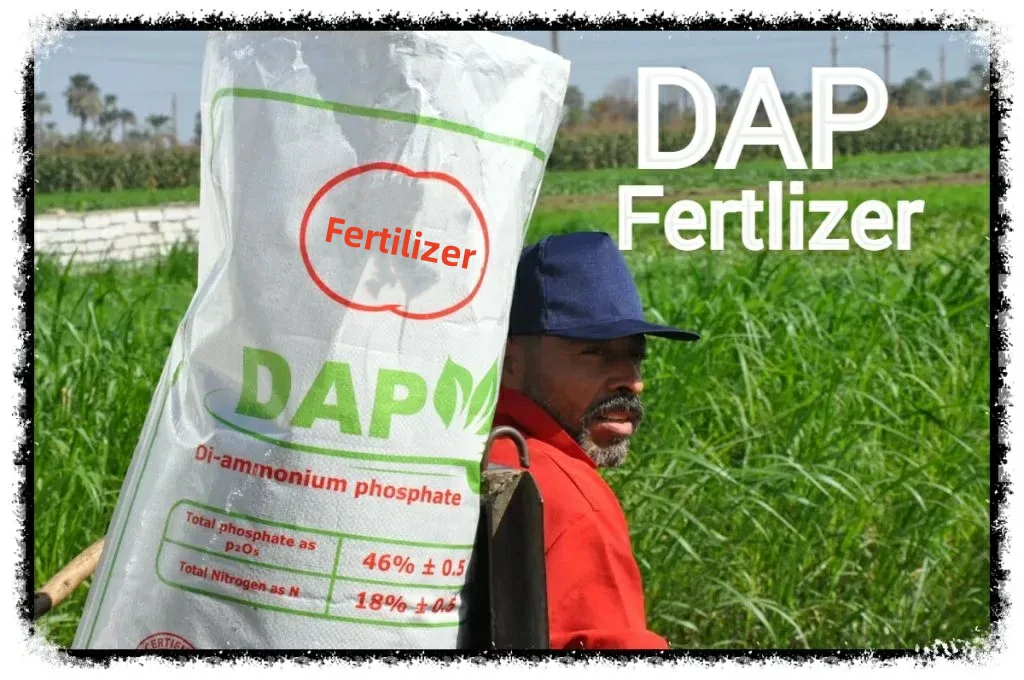
In today’s agricultural world, understanding the Monoammonium Phosphate vs Diammonium Phosphate fertilizer difference in use has become increasingly important for growers aiming to balance productivity, soil health, and input efficiency. These two phosphate fertilizers are widely applied across global cropping systems, yet they behave differently in soil and suit different farming conditions. Knowing how and where each fertilizer performs best can make everyday farm decisions much easier and more effective.
Monoammonium Phosphate and Diammonium Phosphate both deliver essential phosphorus and nitrogen, but the way they interact with soil and crops varies. This article explains those differences in a practical, easy-to-follow way, while also touching on how modern fertilizer production equipment supports stable quality and large-scale supply.
When comparing the Monoammonium Phosphate vs Diammonium Phosphate fertilizer difference in use, the starting point is their basic composition. Monoammonium Phosphate contains one ammonium group and reacts slightly acidic in soil. Diammonium Phosphate contains two ammonium groups and creates a short-term alkaline reaction around the fertilizer granule.
This chemical behavior directly affects how young roots absorb nutrients. Monoammonium Phosphate is often considered safer for seed placement, while Diammonium Phosphate is known for its higher nitrogen content and fast early nutrient release under suitable conditions.
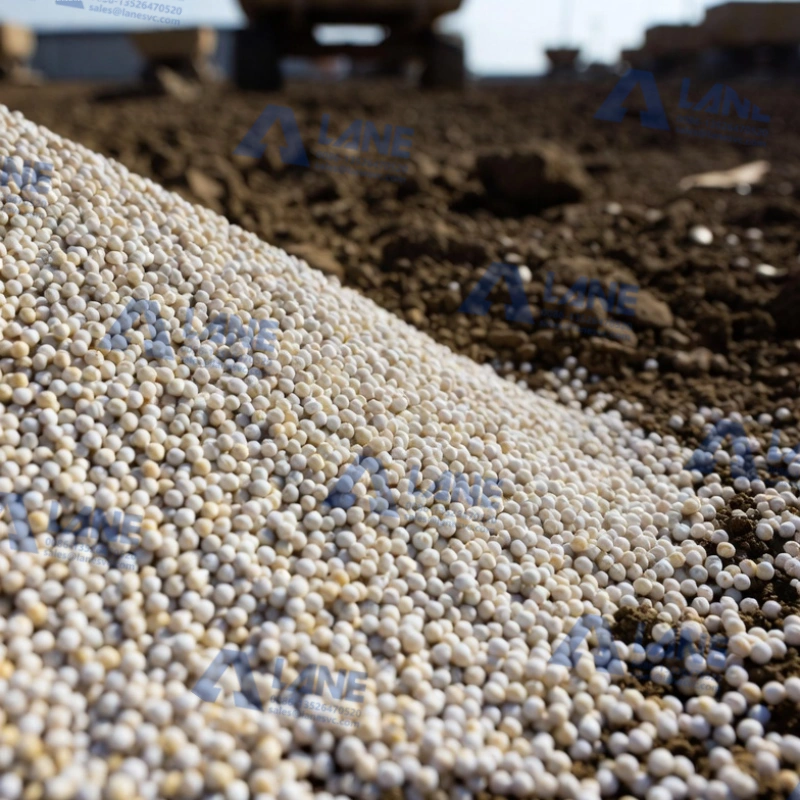
The Monoammonium Phosphate vs Diammonium Phosphate fertilizer difference in use becomes more evident when looking at specific crops. For cereals such as wheat, barley, and maize, Diammonium Phosphate is frequently used as a base fertilizer due to its strong nutrient supply and compatibility with large-scale field operations.
Vegetables, fruits, and oil crops often respond better to Monoammonium Phosphate, especially in precision farming systems. Its milder soil reaction supports early root development, which is critical for high-value crops with sensitive growth stages.
Soil characteristics strongly influence the Monoammonium Phosphate vs Diammonium Phosphate fertilizer difference in use. In alkaline soils, Monoammonium Phosphate can help improve phosphorus availability by slightly lowering the pH around the root zone. In contrast, Diammonium Phosphate works well in neutral to mildly acidic soils where its initial alkalinity is quickly buffered.
Climate also plays a role. In dry regions, careful fertilizer selection is necessary to avoid nutrient lock-up. Many growers prefer Monoammonium Phosphate under such conditions, while Diammonium Phosphate remains a trusted choice in areas with consistent soil moisture.
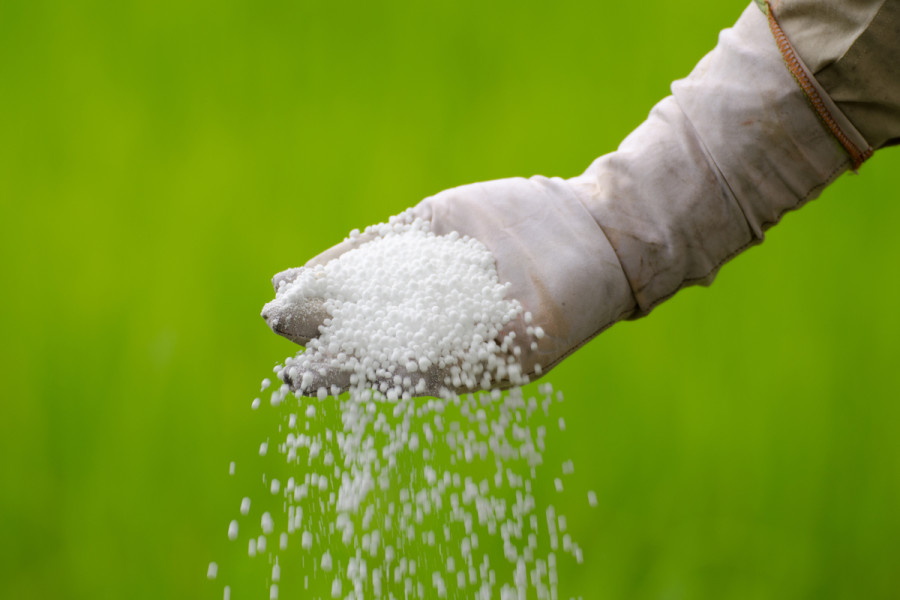
Another practical aspect of the Monoammonium Phosphate vs Diammonium Phosphate fertilizer difference in use is how and when fertilizers are applied. Monoammonium Phosphate is commonly used as a starter fertilizer placed close to the seed. Its lower ammonia release reduces the risk of seed damage.
Diammonium Phosphate is typically banded slightly farther from the seed or incorporated into the soil before planting. Proper placement allows crops to benefit from its nutrient content without harming early growth.
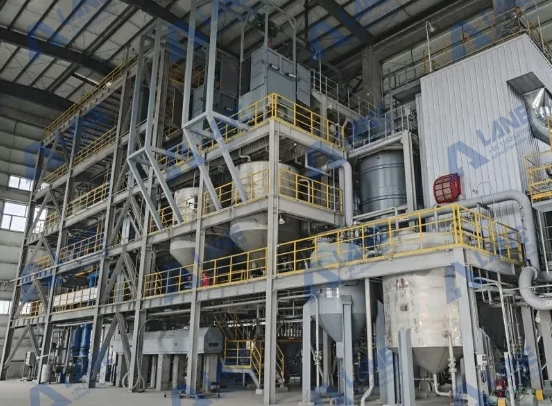
Behind these fertilizers lies a complex production process. Granulation, drying, cooling, and screening equipment all contribute to consistent nutrient distribution and strong granule structure. Reliable fertilizer machinery ensures that both Monoammonium Phosphate and Diammonium Phosphate perform as expected in the field.
From our perspective, high-quality equipment supports farmers in managing the Monoammonium Phosphate vs Diammonium Phosphate fertilizer difference in use by delivering products with uniform size, stable nutrient content, and good storage characteristics.
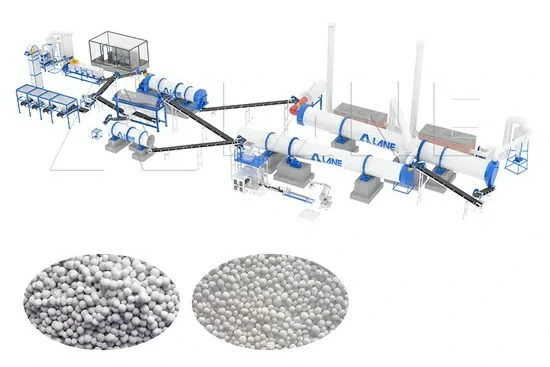
At LANE, we have been specializing in fertilizer machinery manufacturing in China for more than 20 years. Throughout this time, we have worked with producers supplying both Monoammonium Phosphate and Diammonium Phosphate to global markets. Our company understands that fertilizer performance begins with solid engineering.
We have a professional engineering team that designs, manufactures, and installs complete fertilizer production lines based on customer needs. From compound fertilizer equipment to NPK and organic fertilizer production lines, we provide integrated solutions. As a trusted fertilizer equipment supplier, we support our clients with installation, after-sales service, maintenance, troubleshooting, and system upgrades. Our machines meet ISO 9001 and CE international quality standards, helping producers maintain stable output and efficiency.
Blended and compound fertilizers further highlight the Monoammonium Phosphate vs Diammonium Phosphate fertilizer difference in use. Each material reacts differently when combined with potassium, sulfur, or trace elements. Advanced fertilizer production lines allow precise formulation, ensuring nutrients remain balanced and available to crops.
Flexible production systems make it possible to switch between Monoammonium Phosphate-based and Diammonium Phosphate-based formulas, depending on market demand and agronomic requirements.
Efficient fertilizer use supports sustainable agriculture. By understanding the Monoammonium Phosphate vs Diammonium Phosphate fertilizer difference in use, farmers can reduce nutrient losses, lower application rates, and improve overall soil health.
Modern fertilizer plants equipped with dust collection systems, automated controls, and energy-efficient dryers help minimize environmental impact. These improvements not only benefit producers but also support responsible nutrient management in the field.
There is no single best option for every situation. The Monoammonium Phosphate vs Diammonium Phosphate fertilizer difference in use depends on soil conditions, crop type, and farming practices. With proper knowledge and access to high-quality fertilizers produced by reliable equipment, growers can choose the solution that best fits their operation.
As agriculture continues to evolve, fertilizer strategies will become more targeted and data-driven. Understanding the Monoammonium Phosphate vs Diammonium Phosphate fertilizer difference in use will remain essential for adapting to new cropping systems and sustainability goals. Supported by advanced fertilizer machinery and experienced manufacturers, the industry is well positioned to meet future challenges.
For more details, please feel free to contact us.
Henan Lane Heavy Industry Machinery Technology Co., Ltd.
Email: sales@lanesvc.com
Contact number: +86 13526470520
Whatsapp: +86 13526470520
Copyright © Henan Lane Heavy Industry Machinery Technology Co., Ltd.
