
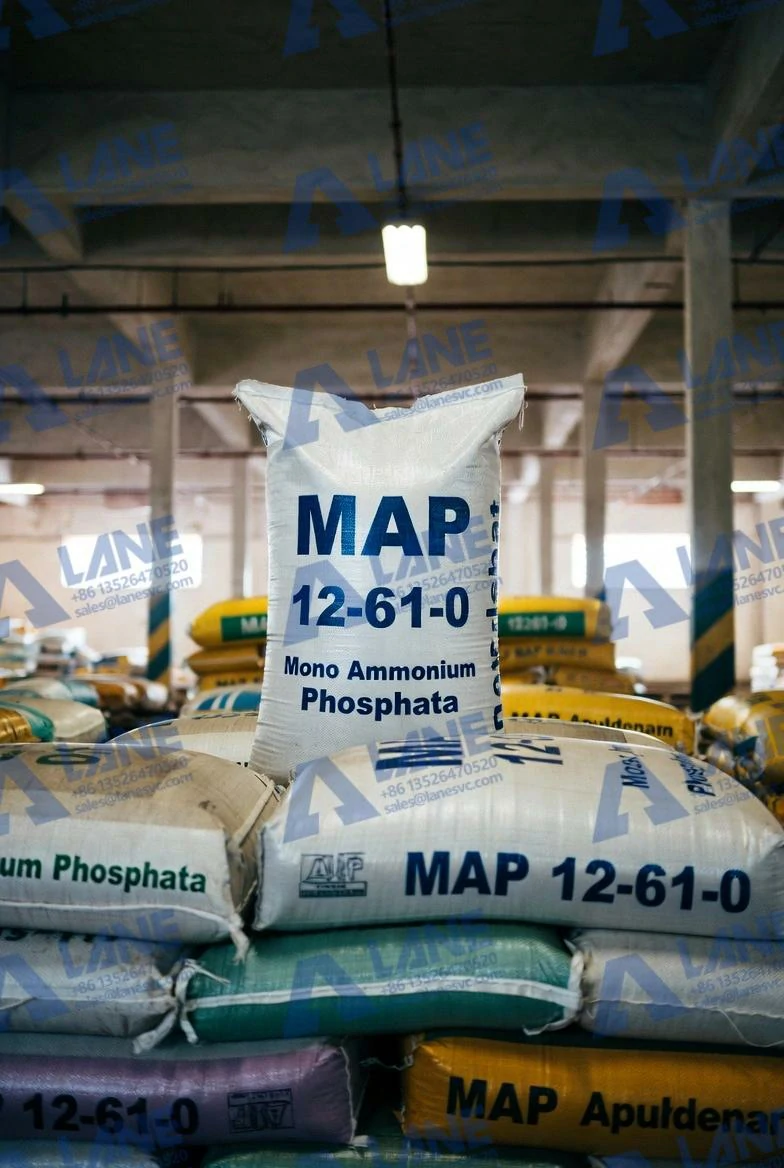
A phosphate crusher and mixer for MAP fertilizer may not stand out as the most glamorous piece of industrial equipment, but every MAP fertilizer producer knows it holds enormous influence over product quality. In the first stage of MAP manufacturing, raw phosphate rock needs to be crushed, refined, and blended with ammonia before any granules can form. Without a stable and efficient crusher-mixer setup, even the most advanced granulation systems struggle to achieve consistent results. That’s why more fertilizer plants are now upgrading this crucial front-end equipment to ensure reliability across the entire production line. The phosphate crusher and mixer for MAP fertilizer has quietly become the workhorse that determines the rhythm and stability of MAP output.
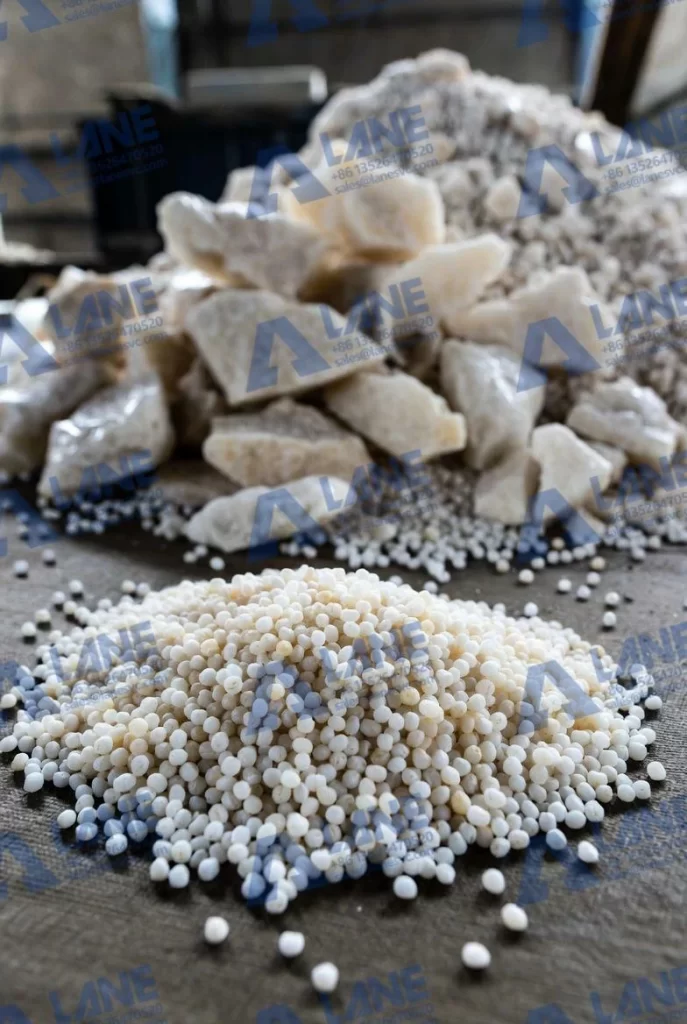
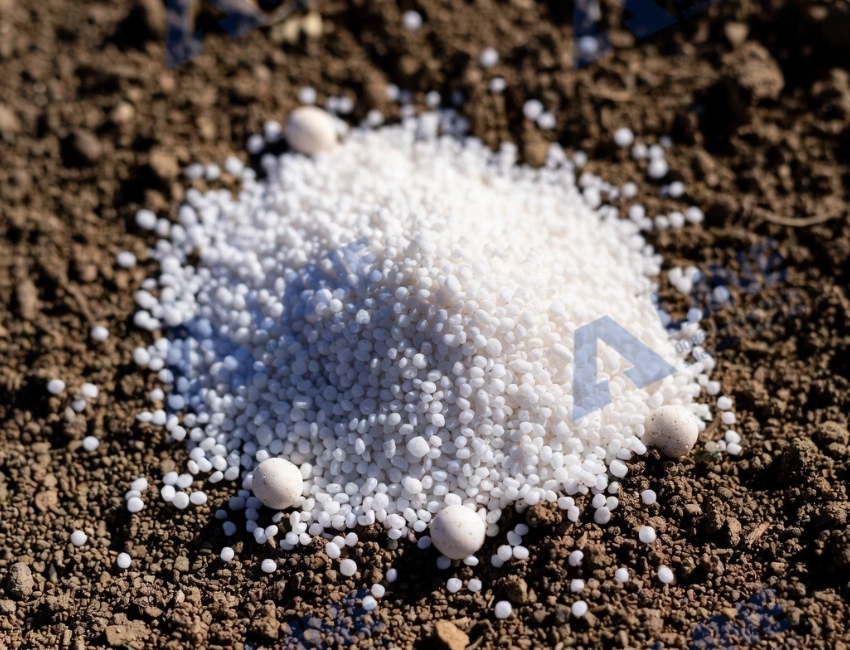
Monoammonium phosphate looks simple as finished granules, but its production process demands precision. Raw phosphate rock usually arrives in uneven chunks, containing moisture or hardened lumps that directly affect chemical reactions. A phosphate crusher and mixer for MAP fertilizer addresses these issues right at the start.
Crushing breaks the phosphate into smaller, even-sized particles. This step improves the reaction surface area and ensures ammonia can interact evenly with the material. After that, the mixing process blends the crushed phosphate with ammonia solution and sometimes additional recycled particles. When this mixture achieves uniformity, the downstream granulator receives a stable, reactive material that transforms predictably into MAP granules.
Production engineers often say: “If the mix is good, everything else is easier.� And it’s true—consistent mixing leads to stable granulation, smoother drying, clearer screening, and more uniform product color and hardness. Without a dependable phosphate crusher and mixer for MAP fertilizer, it becomes nearly impossible to maintain steady production output.
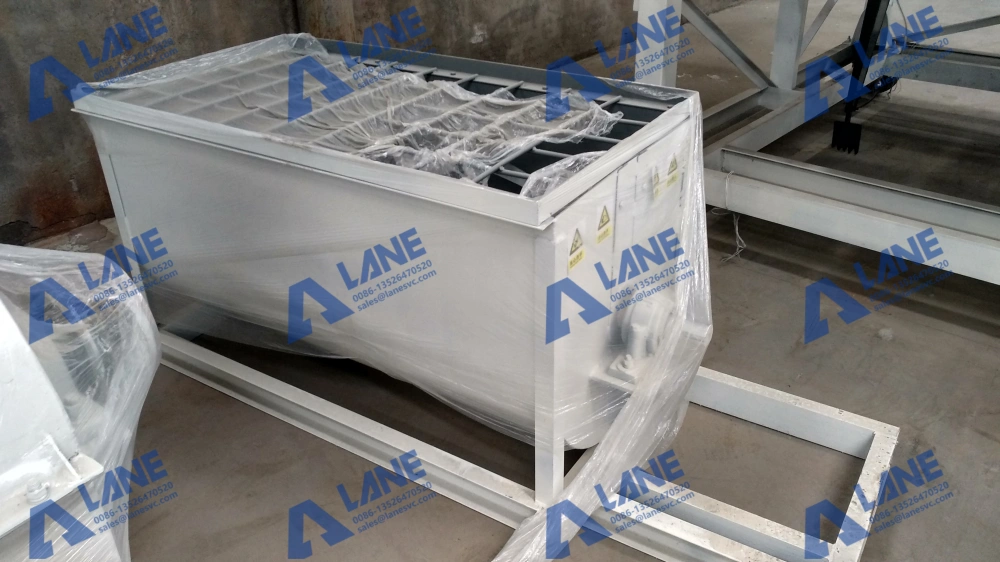
Although the exterior of this machine looks simple, the internal process is highly engineered.
Crushing: Preparing the material for chemical reaction
Inside the vertical crusher, high-strength impact plates or rollers break large phosphate lumps into finely controlled particles. This process must handle tough, abrasive material without wearing out too quickly. When the crushing is consistent, the chemical behavior of the mixture improves significantly.
Mixing: Creating uniform MAP chemistry
After crushing, the material enters a horizontal-mixer. Here, paddles or spiral blades rotate at controlled speeds to blend phosphate with ammonia. This ensures every piece is coated at the same rate and with the same amount of active ingredients.
When done well, this step prevents hot spots, reduces incomplete reactions, minimizes granulator load, and ultimately boosts granule uniformity. It’s easy to understand why a phosphate crusher and mixer for MAP fertilizer is considered a foundation-level investment for any MAP production plant.
Many older plants experience recurring production problems that can be traced back to outdated crushing and mixing machines. Common issues include:
When manufacturers replace their old systems with a modern phosphate crusher and mixer for MAP fertilizer, changes are often immediate. One plant in Southeast Asia saw its recycle ratio drop from 18% to just 9% after upgrading. Another plant reported that granule hardness became much more consistent, reducing complaints from downstream distributors who previously struggled with product variability.
Operators also noticed quieter operation, fewer vibrations, and better control over feed rates. As a result, entire production lines began running more smoothly, reducing the number of emergency cleanouts and allowing plants to extend continuous operation hours.
Although many components contribute to MAP production, stability always begins at the front of the line. The vertical crusher and horizontal mixer for MAP fertilizer plays a role similar to setting the “foundation� of a building—if the foundation is uneven, complications appear in every other layer.
With uniform crushing, the phosphate reacts more predictably with ammonia. With uniform mixing, each granule forms with similar nutrient composition. These improvements influence downstream sections such as:
It’s no exaggeration to say that a well-performing crusher-mixer can increase both production stability and profitability. Plants operating 24 hours a day see the greatest benefit—fewer unexpected shutdowns translate directly to more sellable product.
Beyond the machine itself, the engineering behind the equipment can dramatically affect long-term success. This is where experienced manufacturers make a difference.
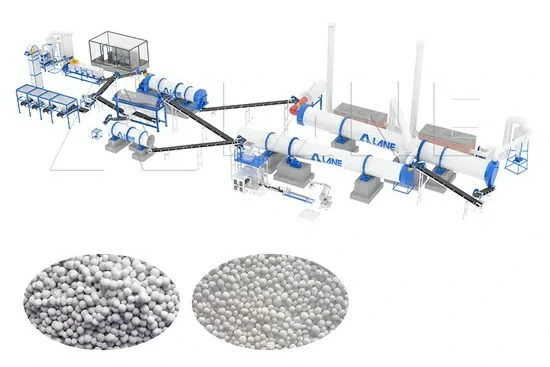
For more than two decades, LANE has specialized in fertilizer machinery manufacturing in China. Our company has a professional engineering team capable of designing, manufacturing, and installing entire fertilizer production lines—from MAP and NPK to organic and compound fertilizer systems. Every machine, including the phosphate crusher and mixer for MAP fertilizer, meets ISO 9001 and CE international quality standards.
The advantage comes not only from equipment quality but from its full-service approach. Our company provides installation, customized engineering solutions, long-term maintenance, troubleshooting, optimization, and equipment upgrades. Many factories rely on our company’s support to keep production stable, especially in systems that run around the clock.
The combination of reliable machinery and dependable engineering assistance helps ensure that a phosphate crusher and mixer for MAP fertilizer continues performing efficiently for many years, even under heavy production loads.
A MAP fertilizer plant in the Middle East struggled for years with unstable granulation, inconsistent nutrient content, and high dust levels. Engineers found that the main issue lay not in the granulator—as previously assumed—but in the outdated crushing and mixing stage.
After installing a new phosphate crusher and mixer for MAP fertilizer, the plant recorded dramatic improvements:
What impressed the operators most was how this single upgrade transformed the entire production chain. Problems that once seemed unrelated—like inconsistent screening—disappeared almost immediately.
As global agriculture modernizes, farmers rely more heavily on high-efficiency fertilizers like MAP. This rising demand pushes manufacturers to operate with better stability, higher quality standards, and lower waste rates.
The phosphate crusher and mixer for MAP fertilizer fits directly into this trend because it:
With MAP production expected to grow steadily in the coming decade, this machine will continue to play a central role in the industry.
Although it may not receive much attention, the phosphate crusher and mixer for MAP fertilizer is one of the most powerful influences on MAP fertilizer quality. It shapes chemical reactions, controls material flow, and sets the pace for everything that follows. With rising production demands and stricter quality expectations, investing in a reliable crusher-mixer system is no longer optional—it’s essential.
For producers seeking long-term stability, consistent output, and higher profitability, this machine remains one of the smartest investments in the MAP production process.
For more details, please feel free to contact us.
Henan Lane Heavy Industry Machinery Technology Co., Ltd.
Email: sales@lanesvc.com
Contact number: +86 13526470520
Whatsapp: +86 13526470520

Copyright © Henan Lane Heavy Industry Machinery Technology Co., Ltd.
