
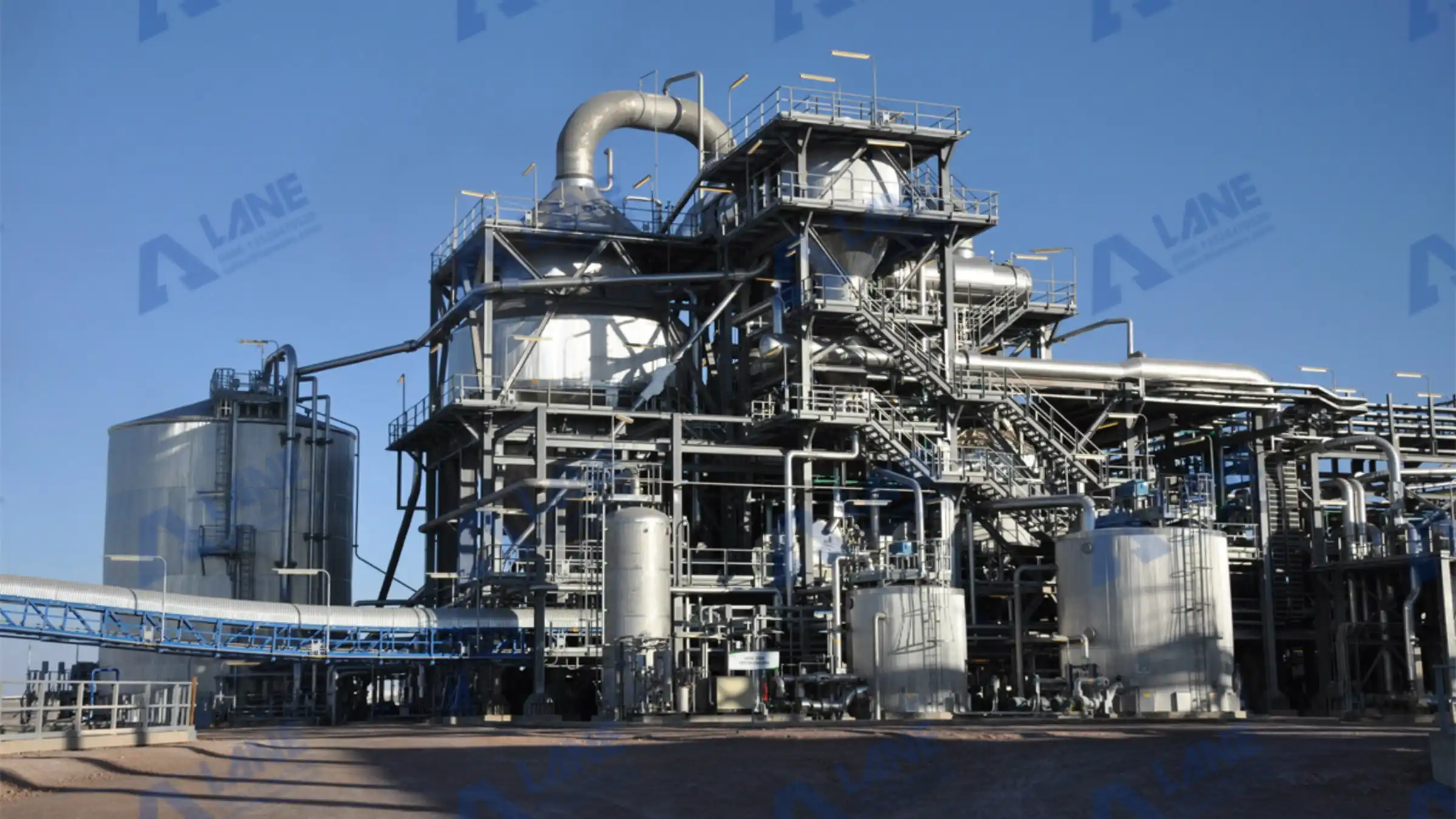
Modern fertilizer production must balance efficiency with environmental protection. This is especially true in facilities producing monoammonium phosphate (MAP). During the manufacturing process, gases, dust, and waste water can appear. Without proper treatment, these by-products can affect workers, equipment, and the environment.
That is why pollution control equipment for MAP plant systems is essential. These systems capture dust, treat exhaust gases, and clean process water before release.
Good environmental control does more than meet regulations. It improves plant safety. It protects nearby communities. It also keeps equipment running smoothly.
Many fertilizer producers now consider pollution control equipment for MAP plant facilities a key part of the production line, not just an extra feature.
In this article, we will explore how these systems work, why they matter, and what equipment is commonly used.
Before discussing environmental systems, it helps to understand the basic MAP process.
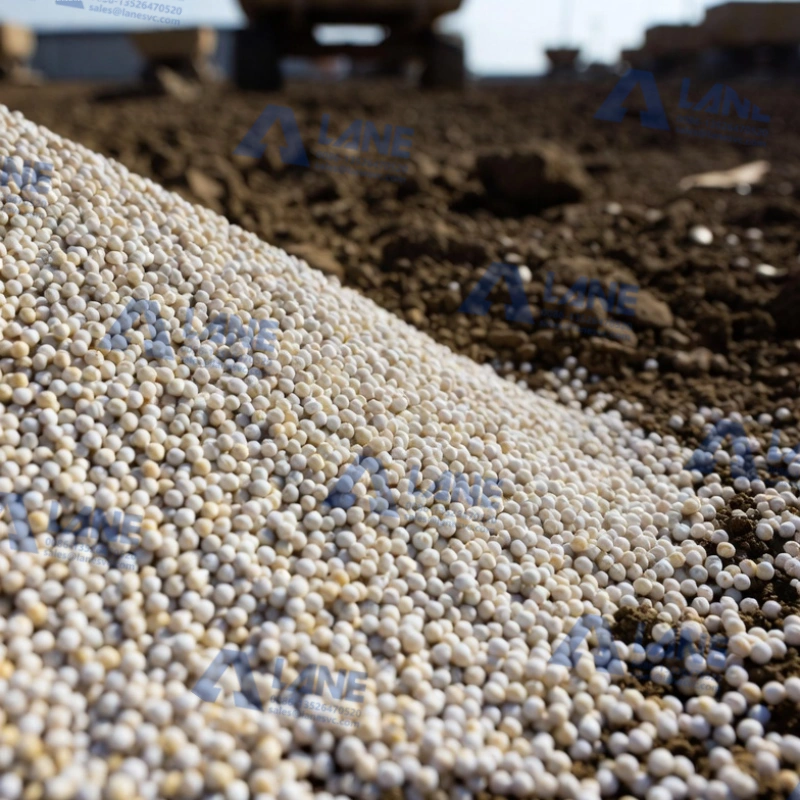
MAP fertilizer is produced by reacting phosphoric acid with ammonia. The reaction forms a slurry. This slurry is then granulated and dried to produce solid fertilizer particles.
The typical production steps include:
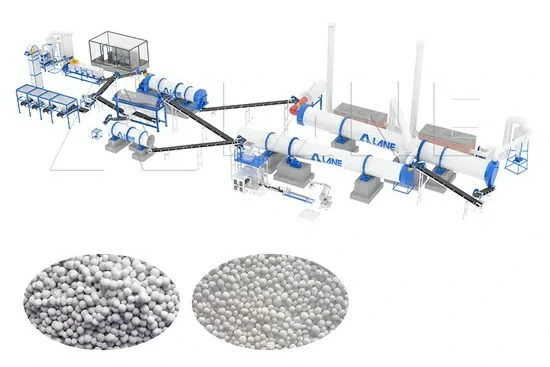
During these stages, several forms of emissions may appear:
Without proper control systems, these emissions can spread through the plant or escape into the atmosphere.
This is where pollution control equipment for MAP plant installations become critical.
Fertilizer plants operate continuously. Even small emissions can accumulate over time.
There are several reasons why pollution control equipment for MAP plant systems are important.
Environmental Protection
Dust and gas emissions can affect air quality. Proper filtration and scrubbing systems reduce environmental impact.
Worker Safety
Ammonia and acid mist can irritate the eyes and respiratory system. Effective emission control improves workplace safety.
Equipment Protection
Dust buildup can damage mechanical parts. Controlling particles helps extend equipment life.
Regulatory Compliance
Most countries now have strict emission limits. Installing reliable pollution control equipment for MAP plant operations helps plants meet environmental regulations.
To design an effective control system, engineers first identify where emissions come from.
The main pollution sources include:
Reaction Section
The reaction of ammonia and phosphoric acid may release ammonia gas and acid vapor.
Granulation Area
Granulators create fertilizer particles, but they also produce fine dust.
Drying System
Hot air passing through fertilizer granules can carry dust and vapor.
Screening and Conveying
Mechanical handling may release additional particles into the air.
Each section may require a different type of pollution control equipment for MAP plant operation.
Several technologies are commonly used to control emissions.
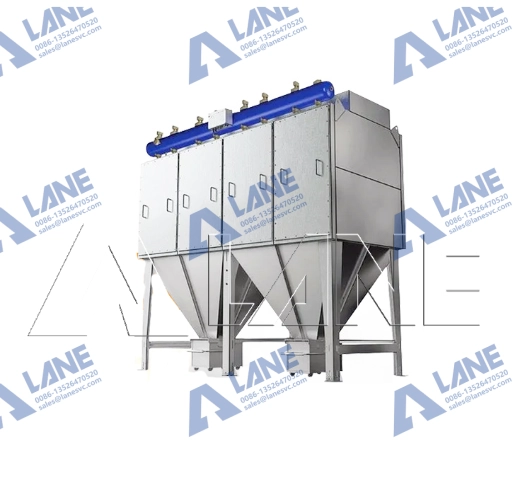
Dust Collectors
Dust collectors capture fine particles from process air.
Typical designs include:
These systems pull air through filter media where dust is trapped.
Wet Scrubbers
Wet scrubbers use water or chemical solutions to absorb gases and remove fine particles.
They are widely used in pollution control equipment for MAP plant installations because they can treat both dust and gas at the same time.
Acid Mist Scrubbers
Phosphoric acid can create mist during processing.
Acid mist scrubbers capture and neutralize these droplets before the air is released.
Ammonia Absorption Systems
These systems capture ammonia gas using acidic solutions. In some cases, the captured ammonia can even be reused in production.
Wastewater Treatment Units
Scrubbing systems produce wastewater that must be treated before discharge.
Treatment steps may include:
These units are an important part of the overall pollution control equipment for MAP plant design.
Granulation and drying are two of the largest dust sources.
During granulation, fertilizer particles collide and break. Fine powder becomes airborne.
In the drying drum, hot air carries dust out of the system.
To control this, plants often install multi-stage systems such as:
This combination improves dust removal efficiency.
Properly designed pollution control equipment for MAP plant facilities can capture more than 99% of dust particles.
Besides dust, MAP plants must manage gases.
Two common gases include:
Wet scrubbers are widely used to treat these emissions.
Inside a scrubber:
This process makes wet scrubbers an effective solution in pollution control equipment for MAP plant designs.
A good system is not just about installing equipment.
It requires careful planning.
Engineers must consider:
Each MAP facility has different production capacity and process conditions.
Therefore, pollution control equipment for MAP plant systems should be designed specifically for each project.
Customized solutions usually perform better and consume less energy.
Even the best equipment needs proper maintenance.
Regular inspection helps keep the system working efficiently.
Important maintenance tasks include:
Plants that maintain their pollution control equipment for MAP plant systems properly often see lower operating costs and fewer shutdowns.
As a company with more than 20 years of industry experience, we understand the challenges fertilizer producers face.
We provide complete fertilizer production solutions, including pollution control equipment for MAP plant projects.
Our team focuses on practical and reliable designs. Every production line we build is customized to match the customer’s raw materials, capacity, and plant layout.
We supply full fertilizer production systems for:
From the early planning stage, we work closely with our clients. Our engineers design the production process and select suitable environmental control equipment.
During installation, we support the entire setup process. Our technicians guide equipment installation and commissioning to ensure stable operation.
Quality is also very important to us. Our production lines follow ISO9001 quality standards, and many of our machines are CE certified.
But our service does not stop after installation.
We provide long-term technical support, spare parts supply, and operational guidance. If customers face production challenges, our team is ready to help.
By combining efficient fertilizer production systems with reliable environmental solutions, we help plants operate more safely and sustainably.
Environmental standards are becoming stricter around the world.
This means pollution control equipment for MAP plant systems will continue to improve.
Some future trends include:
Smart Monitoring
Sensors and digital systems can track emissions in real time.
Energy-Efficient Fans
Modern fans use less power while maintaining airflow.
Improved Scrubber Designs
New designs increase gas absorption efficiency.
Integrated Environmental Systems
Future plants will integrate pollution control directly into the production process.
These improvements will help fertilizer plants operate more cleanly and efficiently.
MAP fertilizer production is an important part of global agriculture. However, it must be carried out responsibly.
Dust, gas emissions, and wastewater are natural by-products of the process. Without proper treatment, they can affect the environment and plant safety.
Installing reliable pollution control equipment for MAP plant facilities is the most effective way to manage these emissions.
With the right design, regular maintenance, and customized solutions, fertilizer producers can achieve both high productivity and strong environmental performance.
As technology continues to advance, pollution control systems will become even more efficient, helping fertilizer plants meet the growing demand for sustainable industrial production.
For more details, please feel free to contact us.
Henan Lane Heavy Industry Machinery Technology Co., Ltd.
Email: sales@lanesvc.com
Contact number: +86 13526470520
Whatsapp: +86 13526470520

Copyright © Henan Lane Heavy Industry Machinery Technology Co., Ltd.
