
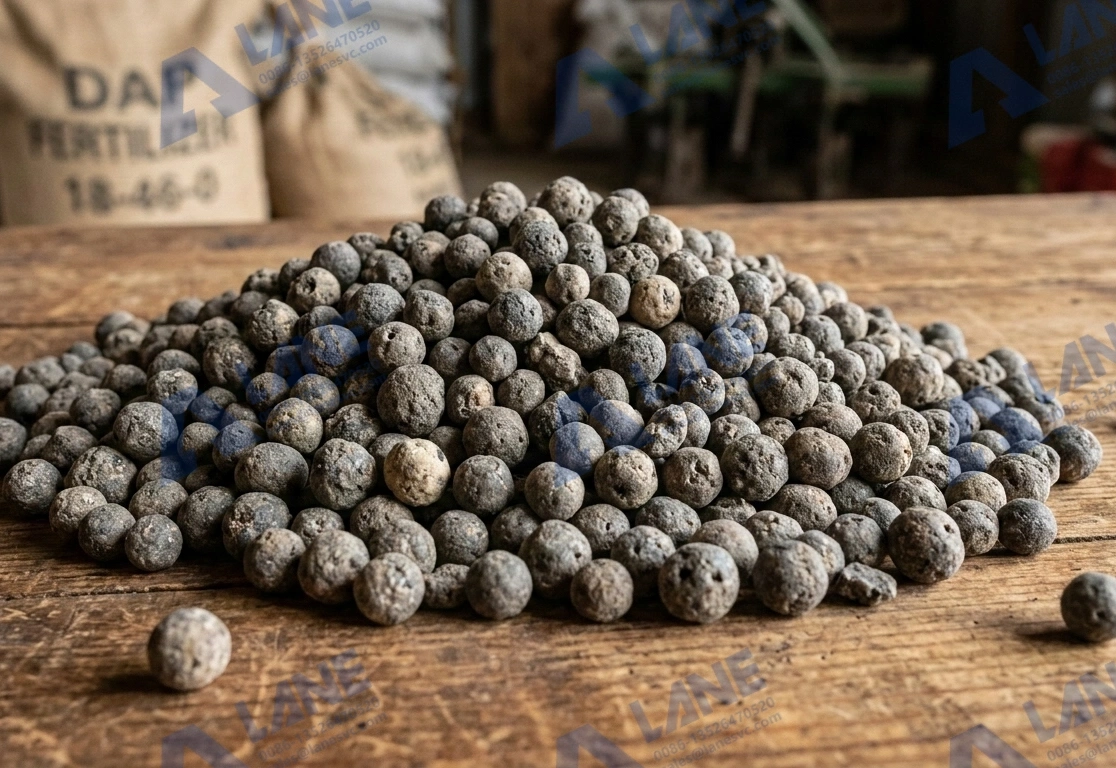
The Advantages of US Diammonium Phosphate Fertilizer Production go beyond the fertilizer itself. While the US has rich phosphate rock reserves, the real strength lies in how production lines are designed and equipped.
Even for smaller-scale plants, modern equipment and automation make production efficient and reliable. In the US, many Diammonium Phosphate Fertilizer production lines are designed for mid-sized operations, with capacities of 10–30 tons per hour, rather than the massive industrial lines producing 50,000 tons per month.
This article focuses on production line equipment, explaining why US Diammonium Phosphate Fertilizer plants are technologically advanced and how professional suppliers help operators build high-quality, smaller-scale production lines.
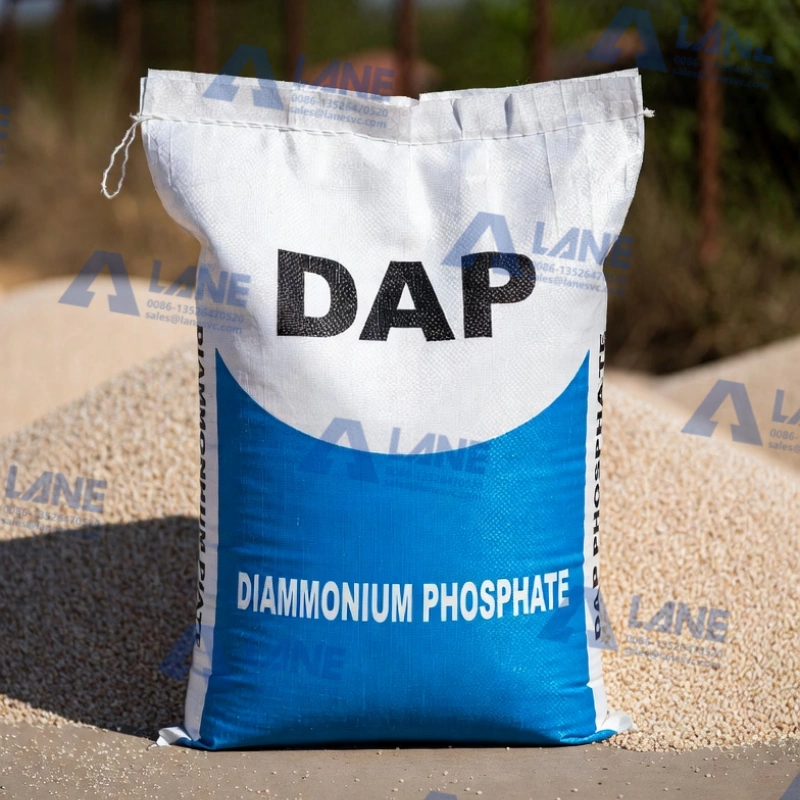
Phosphate rock is the main raw material for DAP. The US has large deposits in Florida, Idaho, North Carolina, and Utah, producing about 21 million tons in 2023, with Florida contributing 70%.
Having local raw materials reduces transportation costs and ensures a steady supply. For smaller-scale plants, this makes it possible to operate continuously without interruptions. The raw material advantage is important, but the real value comes from how the production line equipment handles the material efficiently.
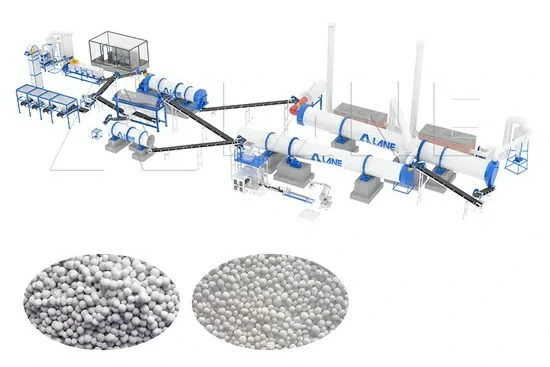
The true Advantages of US Diammonium Phosphate Fertilizer Production come from the equipment and process control in the plant. Even mid-sized production lines rely on multiple specialized machines working together seamlessly.
Ammoniation Reactor
The ammoniation reactor combines phosphoric acid and ammonia under controlled conditions. Smaller-scale reactors handle 10–30 tons per hour and are typically stainless steel tanks with steam heating and automated temperature control.
Automation ensures consistent reactions, producing uniform slurry and setting the stage for high conversion efficiency, often above 97%, which supports smooth downstream granulation.
Granulation transforms slurry into solid granules. Smaller rotary drum granulators are often 2–3 meters in diameter and 5–7 meters long.
Drums rotate at controlled speeds to produce uniform granules of 2–4 mm. Motor power ranges from 37 to 90 kW. Proper granulation ensures granules remain durable during storage and transport, even for mid-sized production lines.
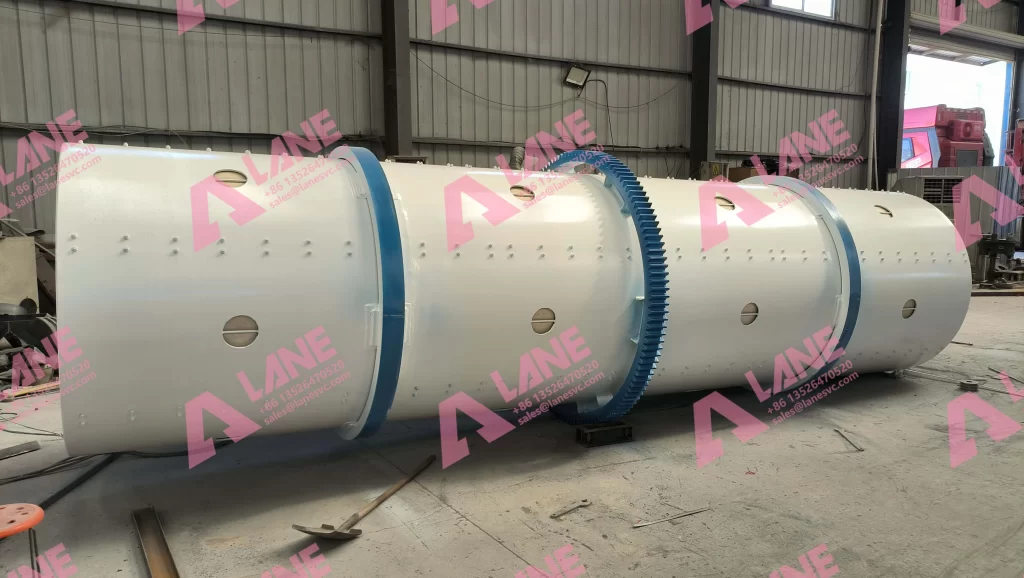
Rotary Dryer
Granules are dried to remove moisture, typically reducing it to below 2%. Rotary dryers operate with inlet temperatures of 250–320°C. Efficient drying is essential to prevent material loss or granule breakage and to maintain continuous operation.
Rotary Cooler
The rotary cooler gradually reduces granule temperature to under 40°C, preserving integrity and minimizing dust. Proper cooling is critical for smaller-scale lines to avoid clumping and ensure smooth packaging.
Screening and Recycling System
Vibrating screens separate standard granules from oversized or undersized material. Non-standard granules are recycled to the granulator. Even smaller plants achieve screening efficiency above 95%, ensuring consistent output without large-scale waste.
Coating and Packaging Machines
Coating machines apply anti-caking layers, and automated packaging machines prepare bags for shipment. Automation reduces labor costs and ensures consistent weight and quality, even for mid-sized plants.
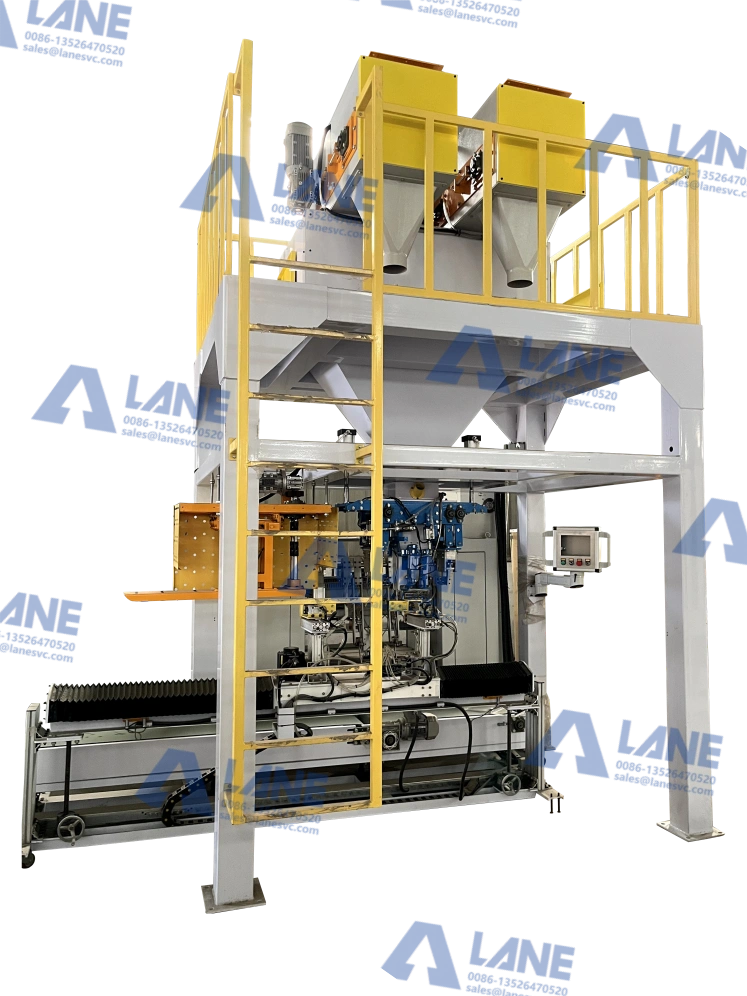
Automation and Control Systems
Automation is a key component of the Advantages of US Diammonium Phosphate Fertilizer Production. Smaller US plants use Distributed Control Systems (DCS) to monitor temperature, pH, moisture, and granule size in real time.
Sensors detect deviations and automatically adjust equipment. Operators can control the entire line from a central console, optimizing energy use and reducing waste. Automation ensures reliable, consistent production even in reduced-scale operations.
At our company, we specialize in designing and installing Diammonium Phosphate Fertilizer production lines for mid-sized plants. With over 20 years of experience, we provide customized solutions for compound, organic, and liquid fertilizers.
We handle equipment selection, installation, and after-sales support. Our production lines meet ISO9001 and CE standards. By working with us, clients can take full advantage of  Diammonium Phosphate Fertilizer production technology, ensuring high efficiency and consistent quality even on a smaller scale.
A mid-sized Diammonium Phosphate Fertilizer plant in Florida, operational in 2022, demonstrates the value of well-equipped production lines. This plant processes 15,000 tons per month, using automated granulation, drying, cooling, and screening systems.
Results include:
This example highlights how smaller-scale equipment can still achieve high-quality output efficiently.
Q1: Why focus on equipment rather than fertilizer itself?
Because the main Advantages of US Diammonium Phosphate Fertilizer Production lie in the machinery, process control, and automation that make production reliable and efficient.
Q2: Can smaller companies use US-style production lines?
Yes. Modern DAP plants can be scaled to 10–30 tons per hour, allowing small and mid-sized operators to achieve high-quality output.
Q3: What is the typical capacity of a smaller DAP production line?
Ammoniation reactors typically handle 10–30 tons per hour, producing thousands of tons per month depending on plant size.
Q4: How does automation benefit mid-sized plants?
Automation ensures consistent granule size, moisture control, and energy efficiency. It reduces errors and allows operators to monitor the whole line from a central console.
Q5: What kind of after-sales support is important?
Professional suppliers provide installation guidance, maintenance training, spare parts, and remote support to keep the plant running smoothly over time.
Q6: Is it possible to upgrade a smaller plant later?
Yes. Many US-style production lines are modular, so additional equipment can be added as production needs grow.
The Advantages of US Diammonium Phosphate Fertilizer Production now clearly focus on production line equipment and process technology, especially for smaller-scale operations. While abundant raw materials provide a foundation, the real strength comes from advanced reactors, granulators, dryers, coolers, and automation systems.
With professional design, installation, and support from companies like our company, smaller-scale DAP production lines can operate efficiently, reliably, and produce high-quality fertilizer consistently. For anyone investing in fertilizer manufacturing, focusing on equipment and production lines is the key to success.
For more details, please feel free to contact us.
Henan Lane Heavy Industry Machinery Technology Co., Ltd.
Email: sales@lanesvc.com
Contact number: +86 13526470520
Whatsapp: +86 13526470520
Copyright © Henan Lane Heavy Industry Machinery Technology Co., Ltd.
