
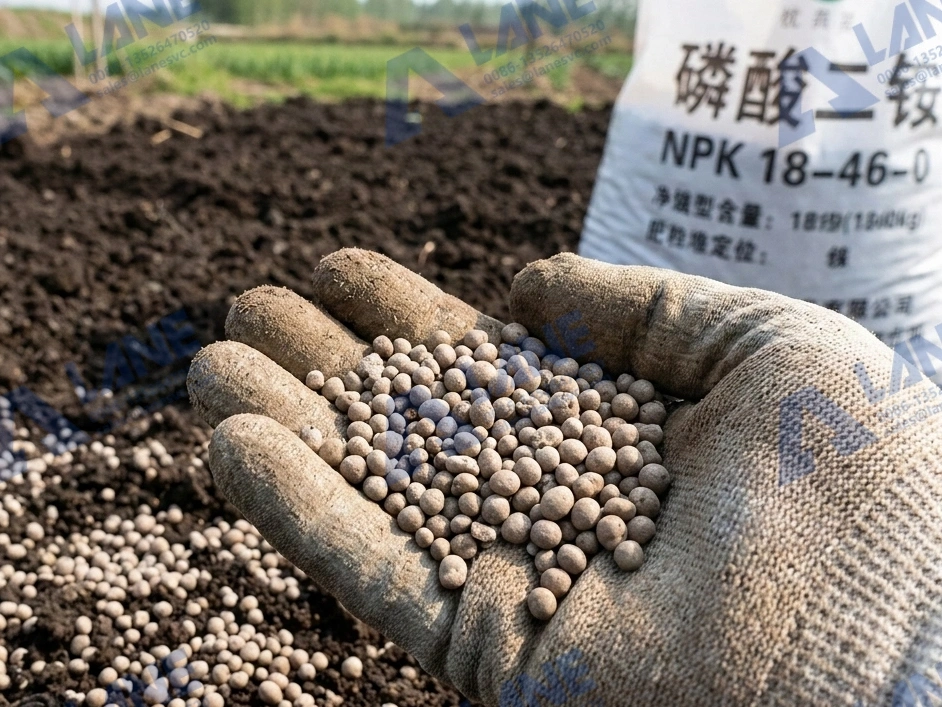
In modern agriculture, fertilizers play an essential role in improving crop yield and soil fertility. Among many fertilizer options, one product stands out for its efficiency and versatility鈥攄iammonium phosphate. Farmers around the world rely on it because of the many benefits of diammonium phosphate in supporting plant growth and improving soil nutrients.
Diammonium phosphate, often called DAP, is widely used in crop production. It supplies two critical nutrients: nitrogen and phosphorus. These nutrients are necessary for healthy plant development, strong roots, and better crop production.
Understanding the benefits of diammonium phosphate helps farmers choose the right fertilizer strategy. It also helps fertilizer producers design better nutrient products for different crops and soil conditions.
In this guide, we will explore what diammonium phosphate is, its composition, its agricultural advantages, real-world applications, and frequently asked questions.
Diammonium phosphate (DAP) is one of the most commonly used phosphorus fertilizers in the world. It is produced by reacting ammonia with phosphoric acid. The result is a fertilizer that contains both nitrogen and phosphorus鈥攖wo nutrients plants need for healthy growth.
DAP usually appears as hard, light-colored granules. These granules dissolve easily in soil moisture, making the nutrients quickly available to plant roots.
Farmers prefer DAP because it is easy to transport, store, and apply. Its balanced nutrient content also makes it suitable for many types of crops.
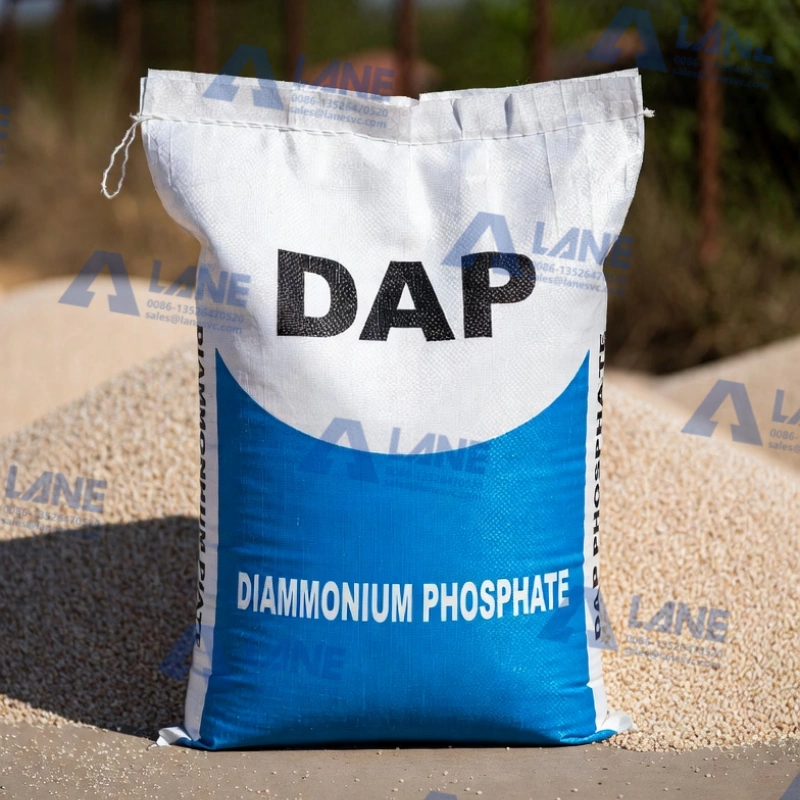
Diammonium phosphate mainly contains two essential nutrients:
Nitrogen (N)
Nitrogen is responsible for leaf growth and plant development. It supports photosynthesis and helps plants produce proteins.
Phosphorus (P)
Phosphorus helps plants build strong roots. It also plays an important role in energy transfer within plant cells. Crops with enough phosphorus often grow faster and produce higher yields.
Because DAP provides both nutrients in one product, farmers can improve soil fertility more efficiently. This combination explains many benefits of diammonium phosphate in agriculture.
One of the main benefits of diammonium phosphate is that it supplies both nitrogen and phosphorus at the same time.
Plants need these nutrients in the early stages of growth. When farmers apply DAP, crops receive immediate access to these essential elements. This supports strong root systems and healthy plant development.
Because two nutrients are combined in one fertilizer, farmers can reduce the number of products they need to apply.
Strong roots are the foundation of healthy crops. Phosphorus plays a key role in root growth.
DAP provides phosphorus in a form that plants can easily absorb. This allows seedlings to establish roots quickly after planting.
Better root systems help plants absorb water and nutrients more efficiently. This is another important reason why many farmers recognize the benefits of diammonium phosphate.
Early growth stages are critical for crop success. During this period, plants need a reliable supply of nutrients.
DAP works well as a starter fertilizer. It helps young plants develop quickly and prepares them for later growth stages.
This early boost can make a big difference in crop productivity, which is why the benefits of diammonium phosphate are widely recognized in modern farming.
Higher yield is one of the most important goals in agriculture.
DAP helps improve yield by supporting root strength, plant growth, and nutrient efficiency. Crops that receive adequate phosphorus often produce more grain, fruit, or vegetables.
Farmers who understand the benefits of diammonium phosphate often include it in their regular fertilization plans.
Another advantage is versatility. DAP can be used for many types of crops, including:
Because of this wide application range, the benefits of diammonium phosphate extend across different agricultural systems.
DAP is usually produced as granules. These granules are strong and resist breaking during handling.
This makes storage and transportation easier compared to some other fertilizers.
Farmers and fertilizer distributors appreciate this practical aspect of the benefits of diammonium phosphate.
Soils often lack phosphorus, especially in areas with intensive farming.
DAP replenishes phosphorus levels in the soil. Over time, this helps maintain better nutrient balance.
Maintaining healthy soil is one of the long-term benefits of diammonium phosphate.
Base Fertilizer Application
DAP is commonly applied before planting. Farmers mix it into the soil so that nutrients are ready when seeds begin to grow.
This method ensures that plants receive phosphorus during the critical early stages of development.
Starter Fertilizer
DAP is often placed near seeds during planting. This helps young plants access nutrients immediately.
Starter fertilization is especially important for crops like corn and wheat.
Use in Compound Fertilizers
DAP is also a key ingredient in many compound fertilizers. Manufacturers combine it with other nutrients to create balanced fertilizer formulas.
Because of this role, the benefits of diammonium phosphate are important not only for farmers but also for fertilizer producers.
Case Study: Using Diammonium Phosphate in Wheat Farming
A wheat farmer wanted to improve crop yield on phosphorus-deficient soil.
Before planting, the farmer applied diammonium phosphate as a base fertilizer. During the early growth stage, the wheat plants developed stronger roots and greener leaves.
At harvest time, the farm recorded a noticeable yield increase compared with the previous season.
This simple example demonstrates the practical benefits of diammonium phosphate in real farming conditions.
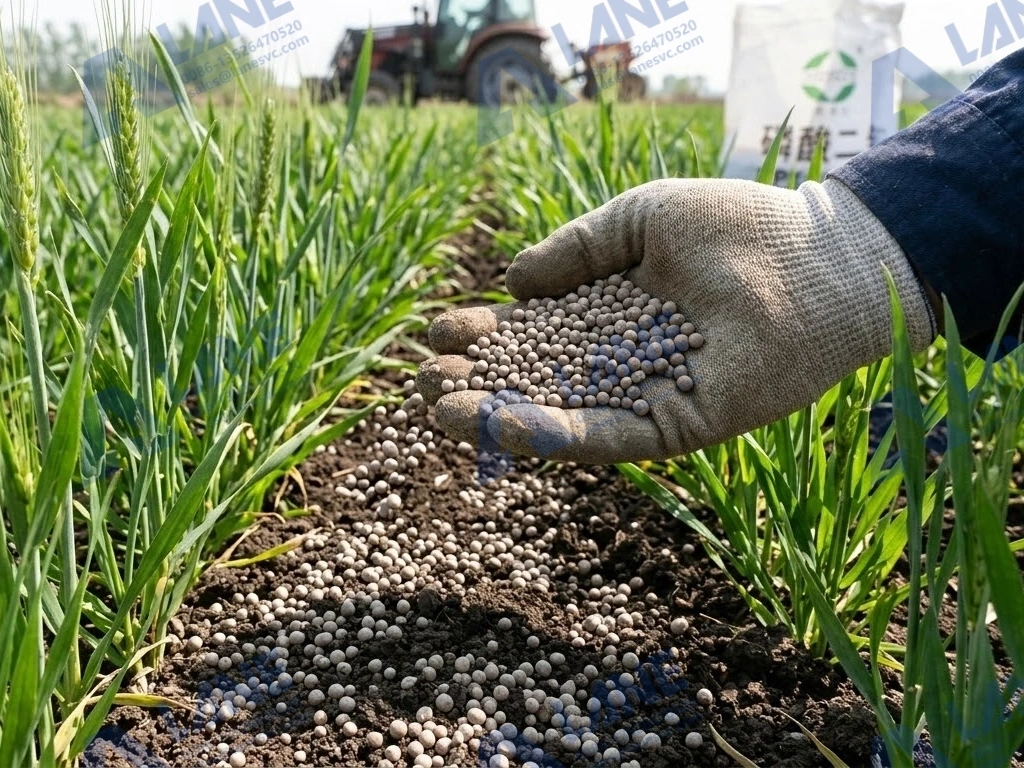
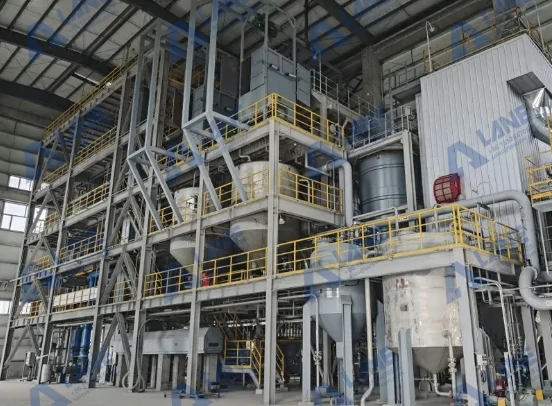
High-quality fertilizers require reliable production systems. Efficient equipment ensures consistent nutrient composition and granule quality.
Our company has over 20 years of experience in fertilizer equipment manufacturing. We provide customized fertilizer production lines designed for organic fertilizer, compound fertilizer, and liquid fertilizer production.
We support our clients through the entire process鈥攆rom plant design and equipment manufacturing to installation and after-sales service. Our production systems meet international quality standards such as ISO9001 and CE certification, ensuring reliable performance and long-term stability.
By working closely with fertilizer producers, we help them create efficient production lines capable of manufacturing high-quality products like diammonium phosphate-based fertilizers. Our team focuses on practical solutions, equipment customization, and long-term technical support so our customers can operate smoothly and grow their fertilizer business.

Apply at the Right Time
DAP works best when applied before or during planting. This ensures nutrients are available when plants begin growing.
Use the Correct Amount
Applying too much fertilizer can harm crops or waste nutrients. Farmers should follow recommended application rates based on soil tests.
Combine with Other Nutrients
In some soils, additional nutrients such as potassium may also be needed.
Combining fertilizers properly can maximize the benefits of diammonium phosphate.
Monitor Soil Conditions
Regular soil testing helps farmers understand nutrient levels and adjust fertilization plans.
Good soil management helps maintain the long-term benefits of diammonium phosphate.
Environmental Considerations
Responsible fertilizer use is important for sustainable agriculture.
Farmers should avoid over-application of fertilizers. Applying the right amount helps prevent nutrient runoff and protects water quality.
When used correctly, DAP supports productive farming while maintaining soil health.
Understanding the benefits of diammonium phosphate also means using it wisely as part of balanced nutrient management.
DAP is suitable for many crops, including cereals, vegetables, and fruit crops. It is particularly useful for crops that require strong root development during early growth stages.
Yes, when applied at recommended levels, DAP is safe and beneficial for soil fertility. It helps replenish phosphorus and supports healthy crop growth.
DAP is most commonly applied before planting or during seeding as a starter fertilizer.
Yes. DAP is often combined with potassium fertilizers and other nutrients to create balanced fertilizer formulas.
Its popularity comes from the many benefits of diammonium phosphate, including nutrient efficiency, ease of use, wide crop compatibility, and reliable performance.
Diammonium phosphate has become one of the most important fertilizers in global agriculture. Its ability to supply nitrogen and phosphorus makes it extremely valuable for improving plant growth and crop productivity.
From stronger roots to higher yields, the benefits of diammonium phosphate support farmers in many ways. It is suitable for different crops, easy to handle, and effective in many soil conditions.
As agriculture continues to develop, fertilizers like DAP will remain essential tools for improving food production and maintaining soil health. Understanding how to use them effectively allows farmers and fertilizer producers to achieve better results and build more sustainable farming systems.
For more details, please feel free to contact us.
Henan Lane Heavy Industry Machinery Technology Co., Ltd.
Email: sales@lanesvc.com
Contact number: +86 13526470520
Whatsapp: +86 13526470520
Copyright © Henan Lane Heavy Industry Machinery Technology Co., Ltd.
