
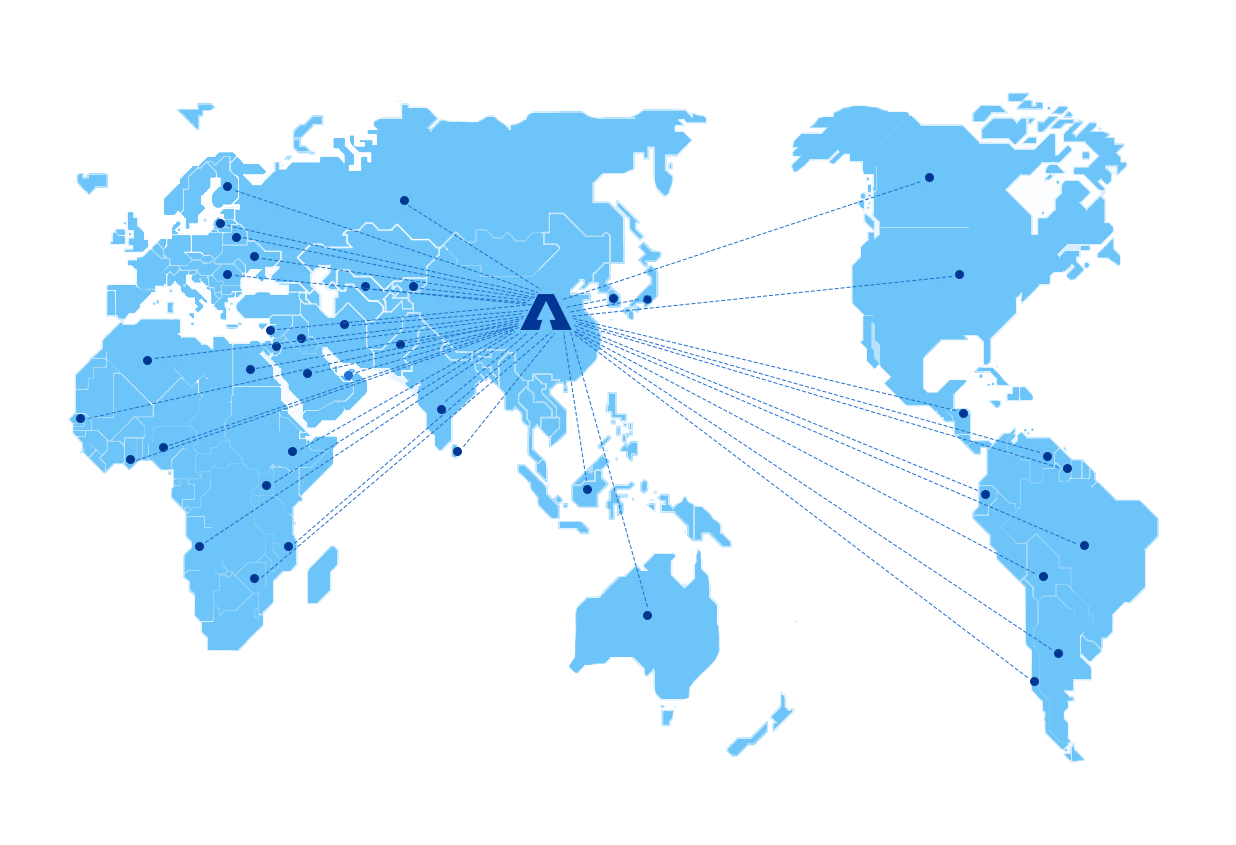
Nigeria is a land of vast agricultural potential. With millions of hectares of arable land, the country is a powerhouse for crops like maize, rice, and cassava. However, to feed a growing population, Nigerian farmers need high-quality nutrients. This is where Monoammonium Phosphate (MAP) comes in.
MAP is a widely used fertilizer because it provides both phosphorus and nitrogen. For many entrepreneurs in the region, the goal is clear: stop relying on expensive imports and start local manufacturing. But how do you export MAP fertilizer production line to Nigeria without running into technical or logistical nightmares?
Let’s look at a real-world case study of a client who made this transition smoothly.
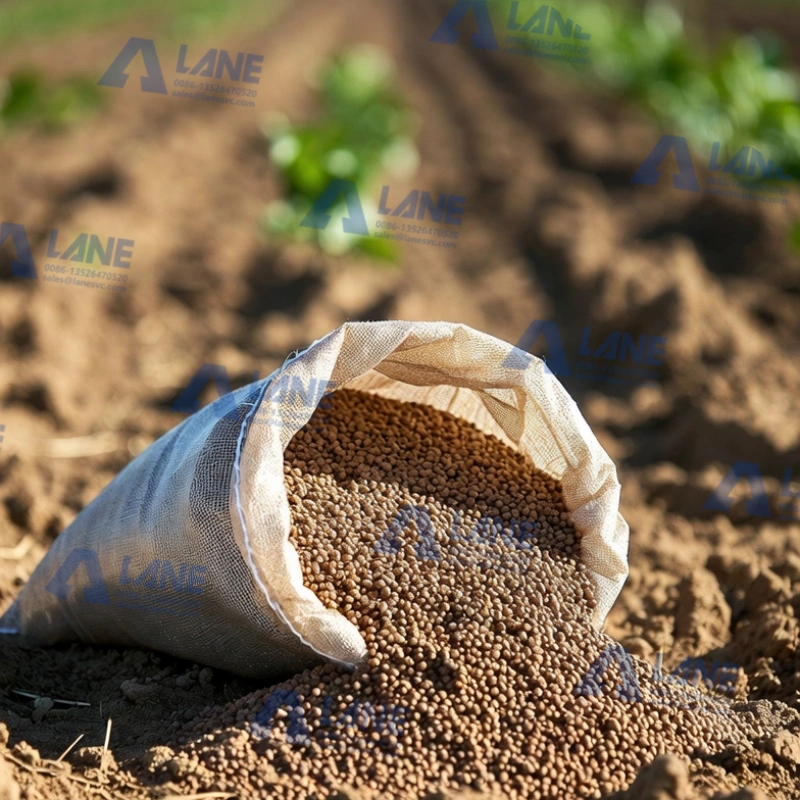
Our client, Mr. Adeleke, owned a large agricultural distribution company in Lagos. For years, he bought finished fertilizer from overseas and sold it to local farmers. While his business was steady, he faced a major problem: the rising cost of shipping and unpredictable import duties. He realized that to grow, he needed to produce his own fertilizer locally.
Mr. Adeleke knew his market, but he didn’t know the machinery. He faced several big hurdles:
When Mr. Adeleke contacted us, we didn’t just sell him a standard kit. We designed a customized solution specifically for the Nigerian environment.
The biggest step was the logistics. To export MAP fertilizer production line to Nigeria, you need a team that understands the Port of Lagos (Apapa). We handled the heavy lifting, ensuring every container was packed safely and all international trade documents were 100% accurate.
As an industry leader with 20 years of experience, we understand that buying a production line is a huge investment. You aren’t just buying metal; you are buying a future for your business.
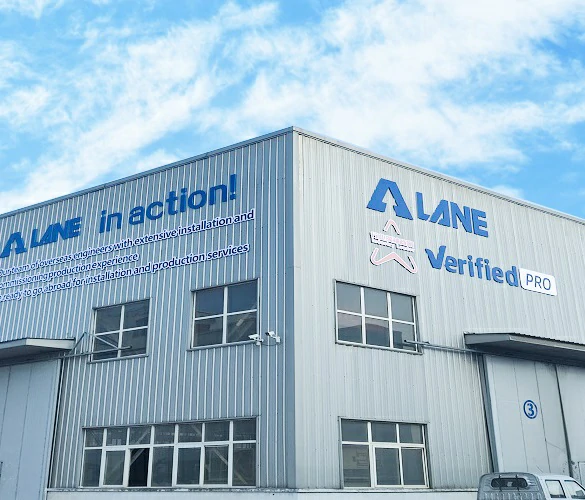
We provide ISO9001 and CE certified production lines that are built to last. Our approach is simple: we offer a one-stop service. This means we handle everything from the initial factory layout design to the final bolt being tightened during installation.
When we export MAP fertilizer production line to Nigeria, we don’t just ship the boxes and disappear. Our company sends experienced engineers to your site. We stay with you until the first bag of fertilizer rolls off the belt. Our after-sales support ensures that if you need a spare part or a technical tip two years later, we are just a phone call away. Whether you want to produce organic, compound, or liquid fertilizers, we have the expertise to make it happen.
If you want to export MAP fertilizer production line to Nigeria, it helps to know the stages involved. Here is how we make it easy for you:
We start by looking at your land. How big is your warehouse? We create a 3D floor plan to show exactly where every machine will go. This prevents mistakes before the equipment even arrives.
Once the design is approved, we start building. We use high-quality, anti-corrosive steel because fertilizer materials can be “salty” and wear down cheap metal quickly. Since we want to export MAP fertilizer production line to Nigeria that lasts for decades, we don’t cut corners on materials.
Before we ship anything, we run the machines in our factory. We make sure the motors hum perfectly and the belts move smoothly.
This is often the scariest part for buyers. However, we have a specialized team to export MAP fertilizer production line to Nigeria. We use moisture-proof packaging to protect the electronics during the long sea voyage.
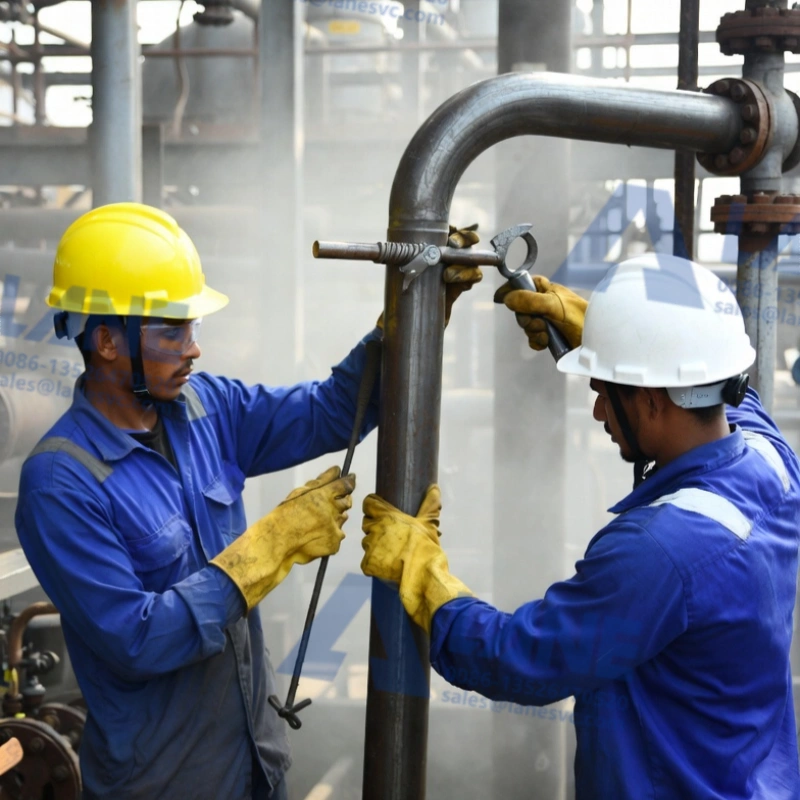
Our engineers travel to your site in Nigeria. They lead the installation and, more importantly, they train your workers. We teach them how to maintain the machines so you don’t have to call an expert for every small adjustment.
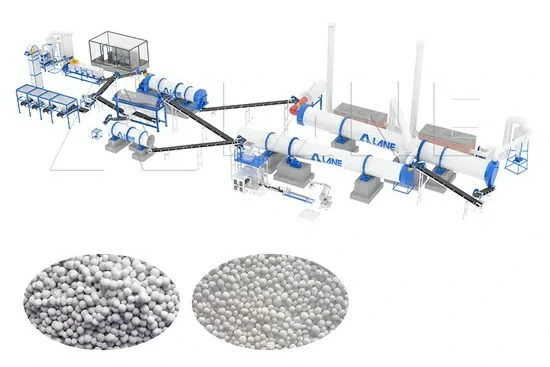
To successfully export MAP fertilizer production line to Nigeria, the equipment must be robust. Here are the components we focus on:
| Machine Type | Purpose | Why it’s Great |
| Automatic Batching | Mixing raw materials | Ensures the N-P-K ratio is perfect every time. |
| Rotary Drum Granulator | Forming the pellets | High output and very durable. |
| Rotary Dryer | Removing moisture | Essential for the Nigerian climate to prevent clumping. |
| Screening Machine | Sorting sizes | Separates the “just right” granules from the dust. |
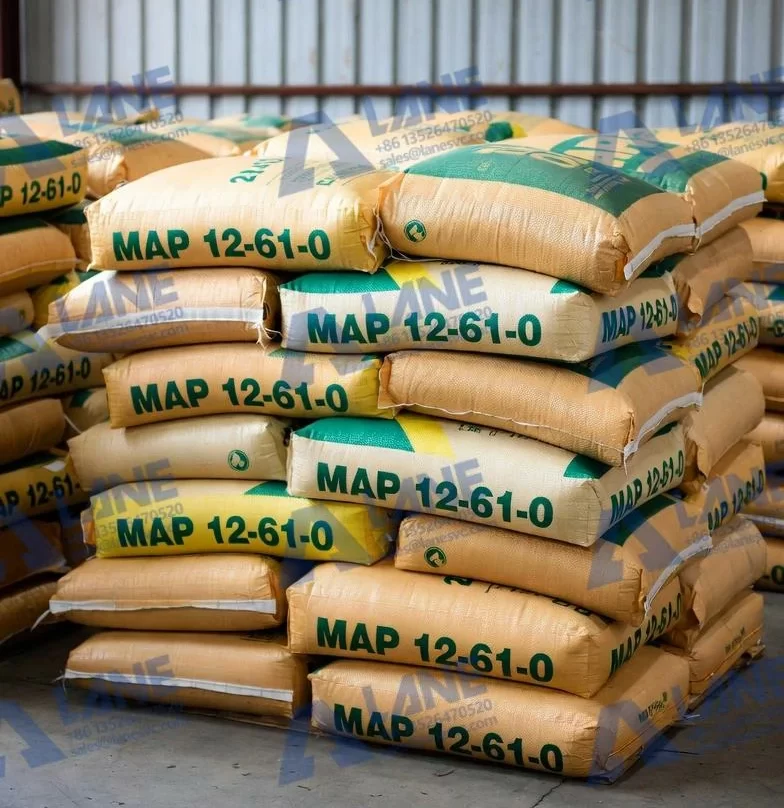
| Automatic Packing | Bagging the product | Fast, precise, and reduces labor costs. |
After we helped Mr. Adeleke export MAP fertilizer production line to Nigeria, his business transformed.
Mr. Adeleke’s success is a blueprint for others. When you choose to export MAP fertilizer production line to Nigeria with a partner who understands the local landscape, the risks disappear.
If you are planning to export MAP fertilizer production line to Nigeria, keep these simple tips in mind to ensure long-term success:
Focus on Maintenance
Nigeria’s dust and heat can be tough on motors. We design our machines with easy-access points so your team can grease the bearings and clean the filters daily. Simple maintenance adds years to the life of your line.
Raw Material Sourcing
While MAP is the goal, your production line is flexible. You can often use local phosphate rock or urea to create different blends. This flexibility is why so many entrepreneurs want to export MAP fertilizer production line to Nigeria. You aren’t stuck making just one product; you can adapt to what the farmers need each season.
Power Solutions
Many of our Nigerian clients choose to run their lines on industrial generators. We ensure our motors are compatible with stable generator power to avoid electrical surges that could damage the sensors.
The Nigerian government is currently pushing for “Home Grown” solutions. There are often incentives for businesses that reduce imports. By choosing to export MAP fertilizer production line to Nigeria now, you position yourself as a leader in the local industrial revolution.
The demand for food is not going down. As long as people need to eat, farmers will need fertilizer. Having your own production line means you control your supply, your price, and your profit.
We don’t see our clients as a one-time transaction. When we help you export MAP fertilizer production line to Nigeria, we are entering a partnership.
Our company believes in transparency. We provide clear manuals, video tutorials, and a dedicated account manager. We know that the African market is unique, and we have spent 20 years learning how to serve it better. From the ISO/CE certifications that guarantee safety to the one-stop service that saves you time, we are built to help you succeed.
We have helped dozens of clients across Africa, and Nigeria remains one of our most successful regions. The feedback is always the same: “The machines are tough, and the support is reliable.”
Setting up a factory is a big dream, but it doesn’t have to be a big headache. If you have the vision to start local production, we have the tools to make it a reality. To export MAP fertilizer production line to Nigeria is more than just a business move; it is a way to support local agriculture and build a lasting legacy.
Don’t let the technical details scare you. With the right partner, the right machines, and a bit of hard work, you can turn a plot of land into a thriving fertilizer plant.
For more details, please feel free to contact us.
Henan Lane Heavy Industry Machinery Technology Co., Ltd.
Email: sales@lanesvc.com
Contact number: +86 13526470520
Whatsapp: +86 13526470520
Copyright © Henan Lane Heavy Industry Machinery Technology Co., Ltd.
