
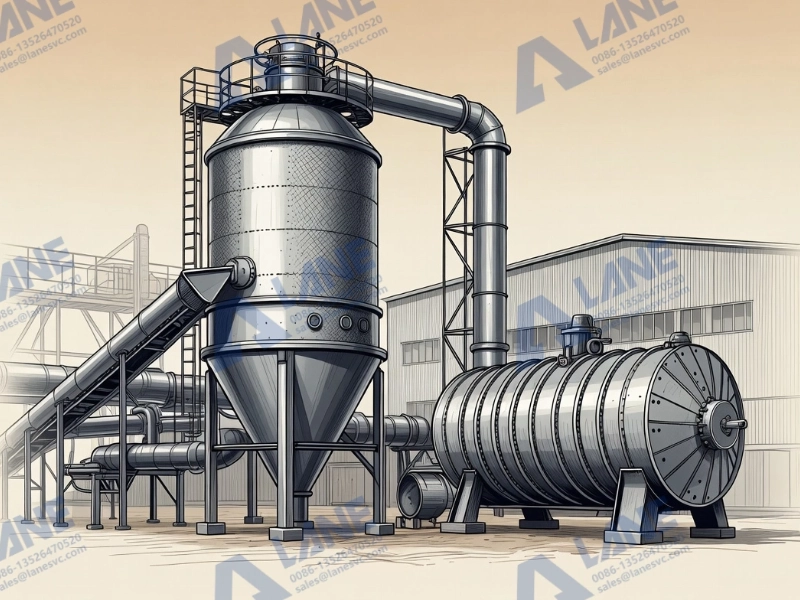
The granulation and drying process in phosphate fertilizer production is the central stage of any phosphate fertilizer manufacturing plant. It directly affects particle size, strength, moisture content, and storage stability.
In industrial practice, more than 60% of product quality issues are related to improper control of the granulation and drying process in phosphate fertilizer production. If granulation is unstable, particles become irregular. If drying is insufficient, moisture remains above 4%, leading to caking during storage.
In a standard 20 tons per hour plant, optimizing the granulation and drying process in phosphate fertilizer production can:
This guide explains the equipment, structure, and performance in a simple and practical way.
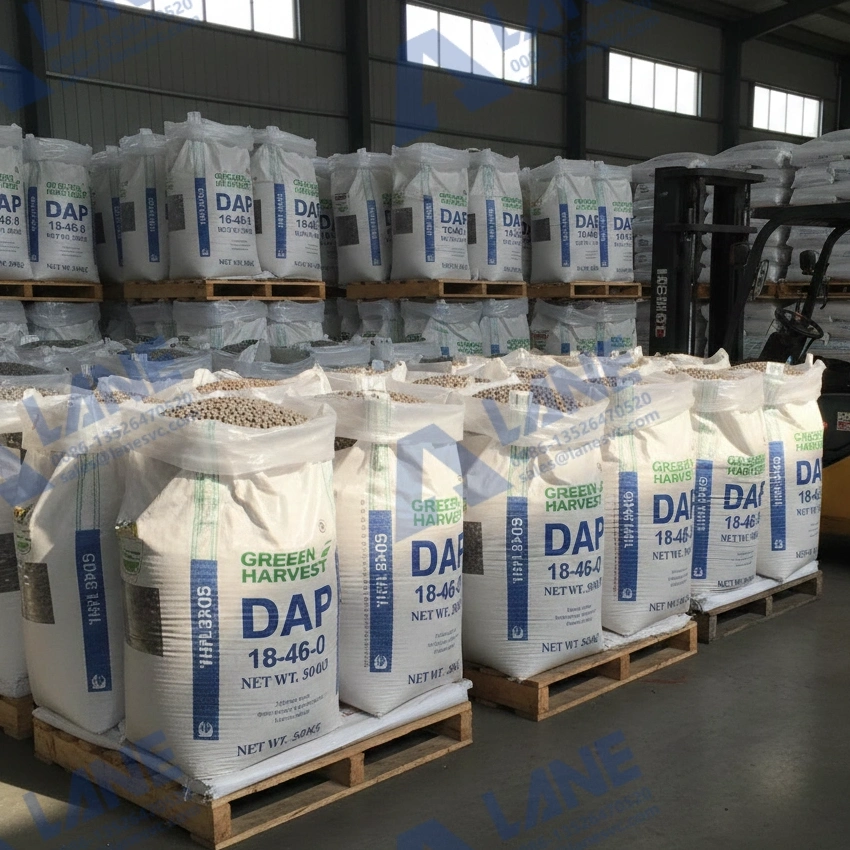
The granulation and drying process in phosphate fertilizer production converts fine phosphate powder or slurry into uniform granules and removes excess moisture to ensure strength and stability.
Typical final product specifications:
The full process includes mixing, granulation, drying, cooling, screening, and recycling. Among these, the granulation and drying stages are the most technically critical.
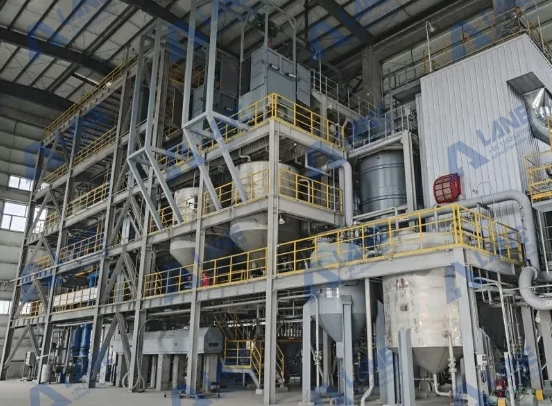
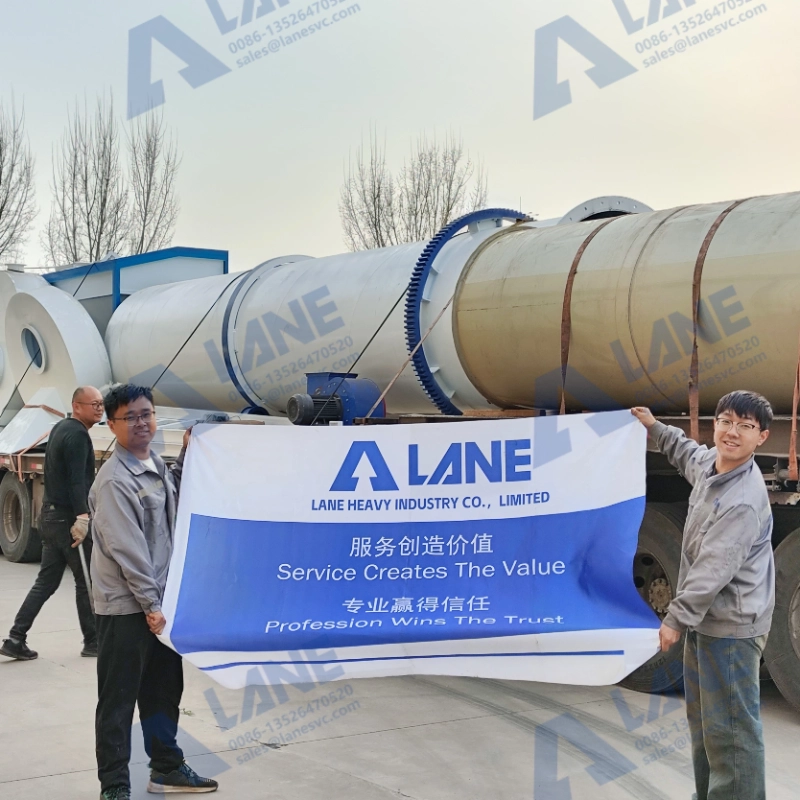
The rotary drum granulator is widely used in the granulation and drying process in phosphate fertilizer production because of its high capacity and stable operation.
Main Structural Components
Typical Technical Parameters
Stable rotation speed and correct recycle ratio are critical in the granulation and drying process in phosphate fertilizer production.
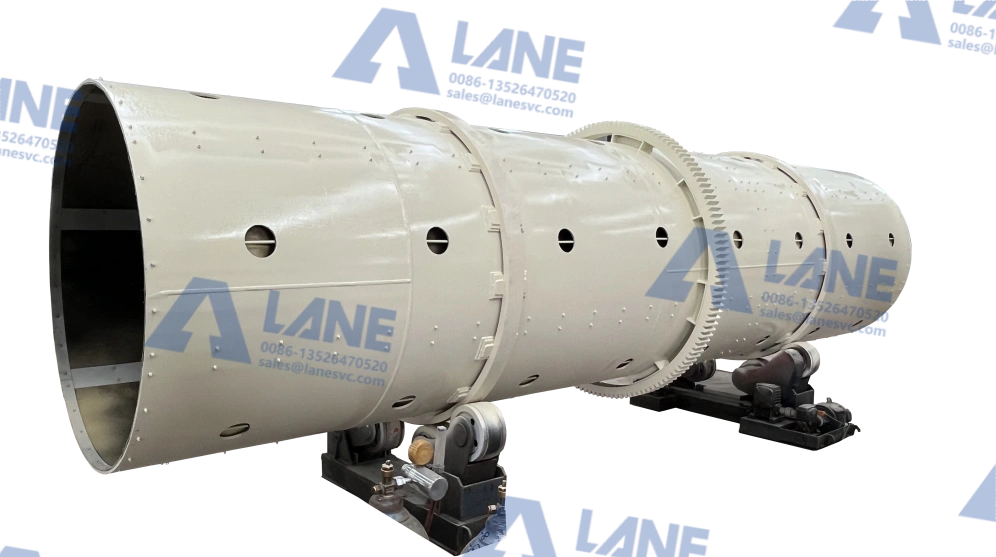
The rotary dryer is essential in the granulation and drying process in phosphate fertilizer production. It reduces moisture from 8–12% down to 2–3%.
Core Components
Diameter: 1.5–3 m
Length: 12–24 m
Carbon steel with thermal insulation layer
Spiral or combination design
Increase heat exchange efficiency
Fuel: natural gas, coal, biomass
Inlet temperature: 250–350°C
Thermal efficiency: 70–85%
Cyclone separator efficiency: 85–90%
Bag filter removal rate: >99%
Operating Data
Residence time: 15–25 minutes
Heat consumption: 800–1100 kcal/kg water
Outlet temperature: 80–100°C
Final moisture: ≤3%
Precise temperature control ensures stability in the granulation and drying process in phosphate fertilizer production.
Raw Material Preparation
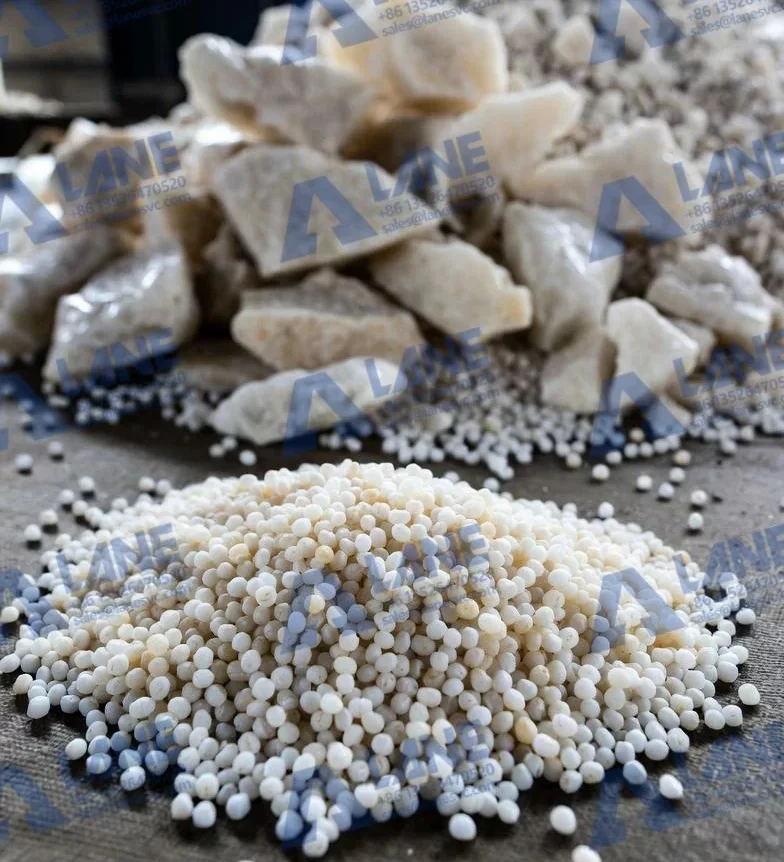
Phosphate rock reacts with sulfuric acid to form slurry.
Typical operating conditions:
Stable input conditions improve granule formation and reduce fluctuation in the granulation and drying process in phosphate fertilizer production.
Granulation Mechanism
In the granulation and drying process in phosphate fertilizer production, granules are formed through layering and rolling. Fine particles adhere due to liquid binder and mechanical force.
Key factors:
Optimized control can increase qualified particle rate to over 90% and reduce dust formation.
Drying Control Strategy
Drying removes moisture and strengthens particles.
In the granulation and drying process in phosphate fertilizer production, temperature control follows three stages:
Incorrect drying may cause cracking, powder formation, or excessive energy use.
Installing temperature sensors every 3–5 meters improves precision and energy efficiency.
Cooling and Screening System
After drying, granules reach 70–90°C. Cooling reduces temperature to 35–40°C to prevent caking.
Common cooling equipment:
Screening parameters:
Oversize materials are crushed and recycled.
Undersize fines return to granulation.
Recycle ratio typically ranges from 1:1 to 3:1, which stabilizes the granulation and drying process in phosphate fertilizer production.
A 10 t/h phosphate fertilizer plant in South Asia installed a fully automated system.
Main configuration:
Production results:
This case shows that optimizing the granulation and drying process in phosphate fertilizer production significantly improves quality and efficiency.
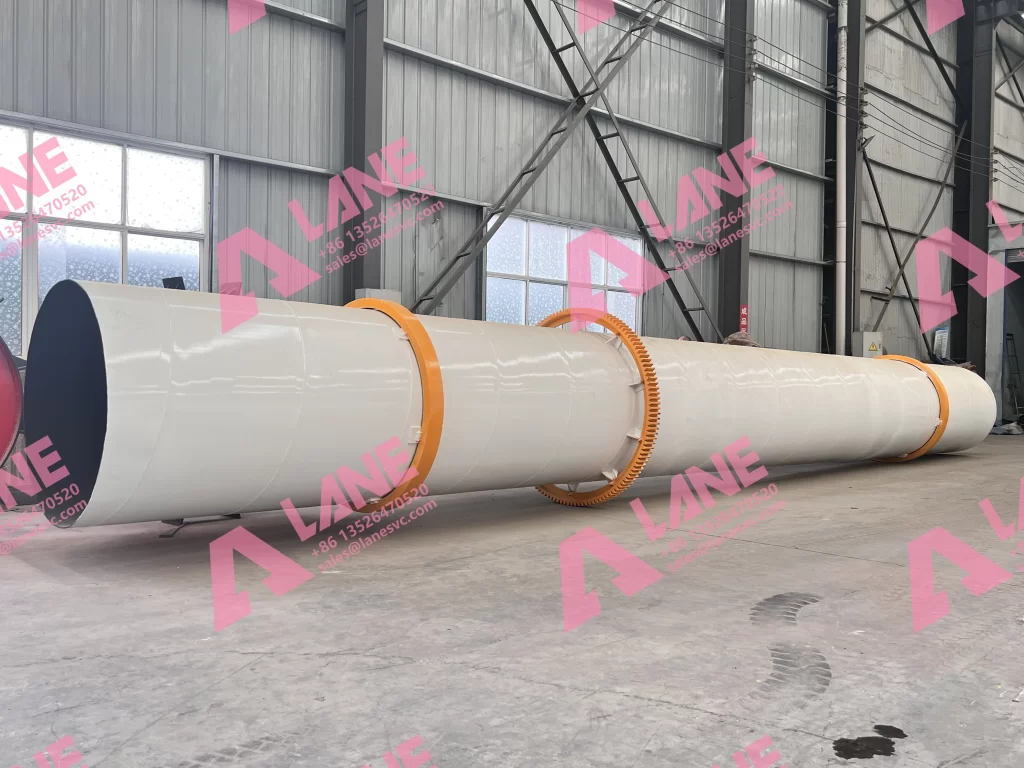
To improve the granulation and drying process in phosphate fertilizer production, manufacturers should focus on:
Energy-saving insulation reduces heat loss by 5–8%.
Automated systems reduce manual errors and improve consistency.
With more than 20 years of experience, we specialize in complete fertilizer production lines, especially in the granulation and drying process in phosphate fertilizer production.
At LANE, we provide:
All our equipment complies with ISO9001 quality management standards and CE certification requirements.
We design production lines from 5 t/h to 50 t/h according to:
We offer installation, commissioning, technical training, and long-term after-sales support. For us, the granulation and drying process in phosphate fertilizer production is a complete engineered solution, not just individual machines.
Modern fertilizer plants must meet strict environmental targets.
Typical standards:
Improving the granulation and drying process in phosphate fertilizer production ensures both compliance and profitability.
2–3% is ideal for safe storage and transportation.
Typically 5–10 minutes depending on drum size and speed.
Standard lines range from 5 t/h to 50 t/h depending on configuration.
Stable inlet temperature and proper airflow distribution.
Regular alignment checks, corrosion-resistant lining, and preventive maintenance.
The granulation and drying process in phosphate fertilizer production determines final product quality, energy efficiency, and environmental performance. Proper equipment structure, accurate parameter control, and professional system integration are essential for stable operation.
By optimizing the granulation and drying process in phosphate fertilizer production, manufacturers can increase qualified particle rate, reduce energy cost, meet emission standards, and improve market competitiveness.
Understanding core components and performance data is the foundation for building a reliable and efficient phosphate fertilizer production system.
For more details, please feel free to contact us.
Henan Lane Heavy Industry Machinery Technology Co., Ltd.
Email: sales@lanesvc.com
Contact number: +86 13526470520
Whatsapp: +86 13526470520
Copyright © Henan Lane Heavy Industry Machinery Technology Co., Ltd.
