
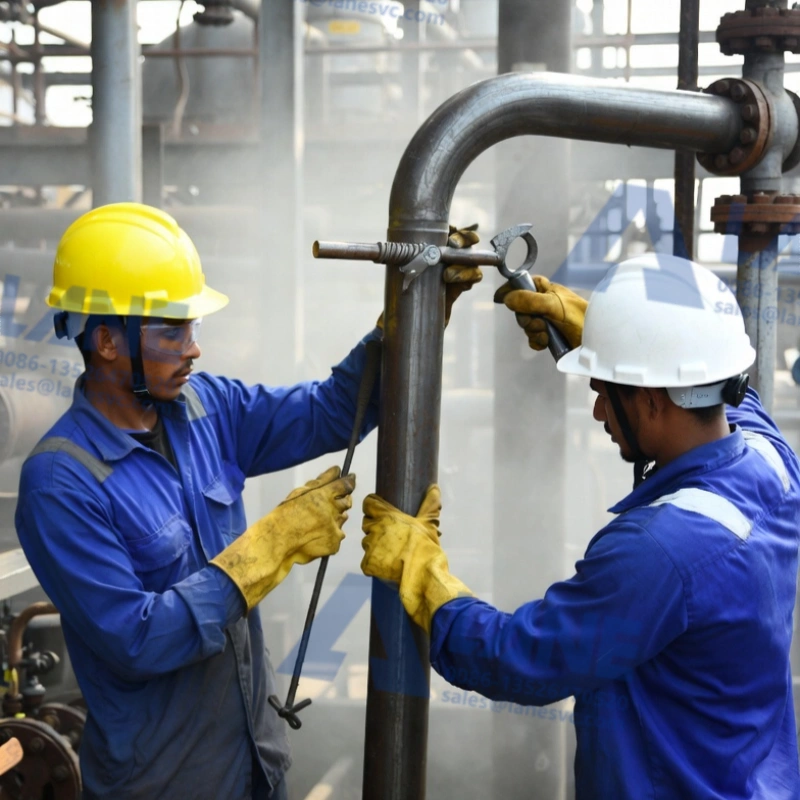
If you are looking to enter the world of high-quality fertilizer manufacturing, you have come to the right place. In this comprehensive step by step MAP fertilizer production guide, we will walk you through the essential machinery and processes needed to create Monoammonium Phosphate, one of the most effective nutrients for modern agriculture.
Monoammonium Phosphate (MAP) is a powerhouse in the farming world. It provides plants with both nitrogen and phosphorus, essential nutrients that support strong root development, healthy leaves, and overall vigorous growth. But turning raw materials like phosphoric acid and ammonia into these nutrient-rich granules is not as simple as mixing ingredients—it requires a precise balance of chemistry, carefully controlled conditions, and high-quality machinery designed for MAP production.
Whether you are starting a new factory or upgrading an existing production line, following a reliable step by step MAP fertilizer production guide is crucial. This guide ensures that every stage—from raw material handling and reaction to granulation, drying, cooling, screening, and packaging—is optimized for efficiency, safety, and consistent product quality. By using a step by step MAP fertilizer production guide, you can avoid common production problems, reduce waste, and achieve high-yield, uniform granules that meet market standards.
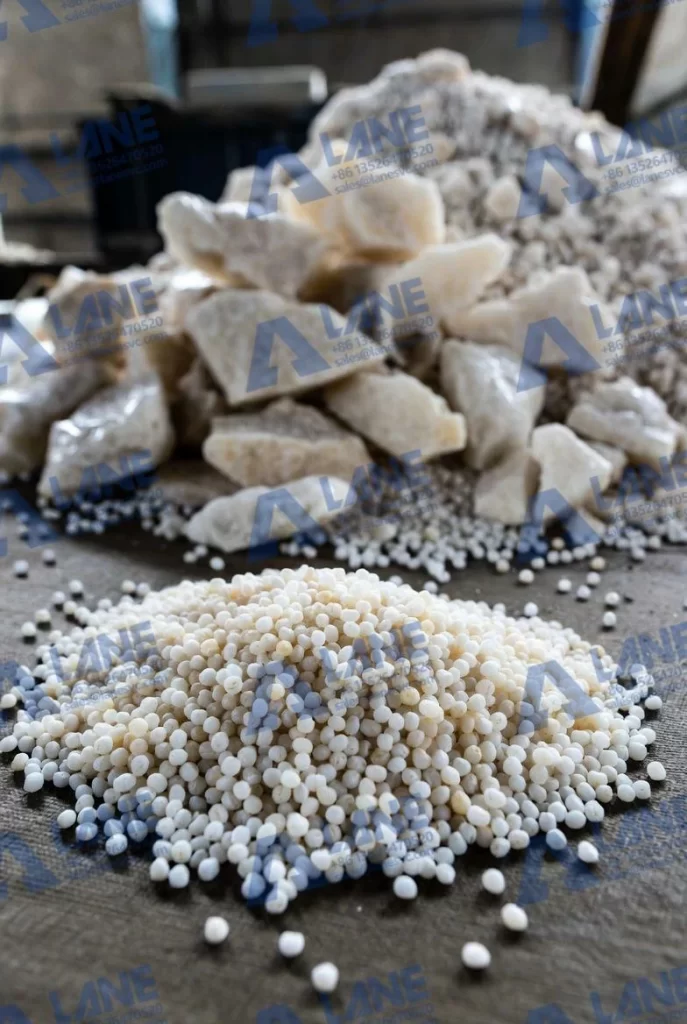
Before the magic happens, you need to prepare your ingredients. Typically, MAP production involves phosphoric acid and ammonia. However, for granulated MAP, we often use solid raw materials or a slurry process.
The Equipment: The Batching Machine The process starts with a professional batching system. This machine uses electronic sensors to weigh each ingredient accurately.
How it works: You input your “recipe” into the computer system, and the belts automatically pull the correct amount of each material.
The Advantage: It eliminates human error. When your ratios are perfect, your fertilizer quality remains consistent batch after batch.
Once weighed, the materials need to be blended into a uniform mixture. Without a proper mix, some granules might have too much nitrogen, while others have none.
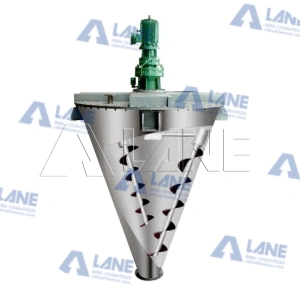
The Equipment: The Double Screw Cone Mixer In our step by step MAP fertilizer production guide, the mixer is the unsung hero.
How it works: Two double screw cone with paddles rotate in opposite directions, tossing the materials together until they are perfectly blended.
The Advantage: It’s fast and prevents materials from sticking to the sides, ensuring a smooth flow to the next stage.
This is the most exciting part of the production line. This is where the loose powder turns into the familiar round beads that farmers find easy to spread.
The Equipment: The Rotary Drum Granulator Most large-scale plants featured in a step by step MAP fertilizer production guide rely on the rotary drum.
How it works: As the drum rotates, the material tumbles inside. By adding a small amount of liquid (steam or water), the particles begin to stick together, forming round balls through centrifugal force.
The Advantage: It can handle massive capacities and produces very hard, high-quality granules that don’t break easily during transport.
Freshly formed granules are “damp” and soft. If you bag them now, they will turn into a giant block of salt. You must remove the moisture.
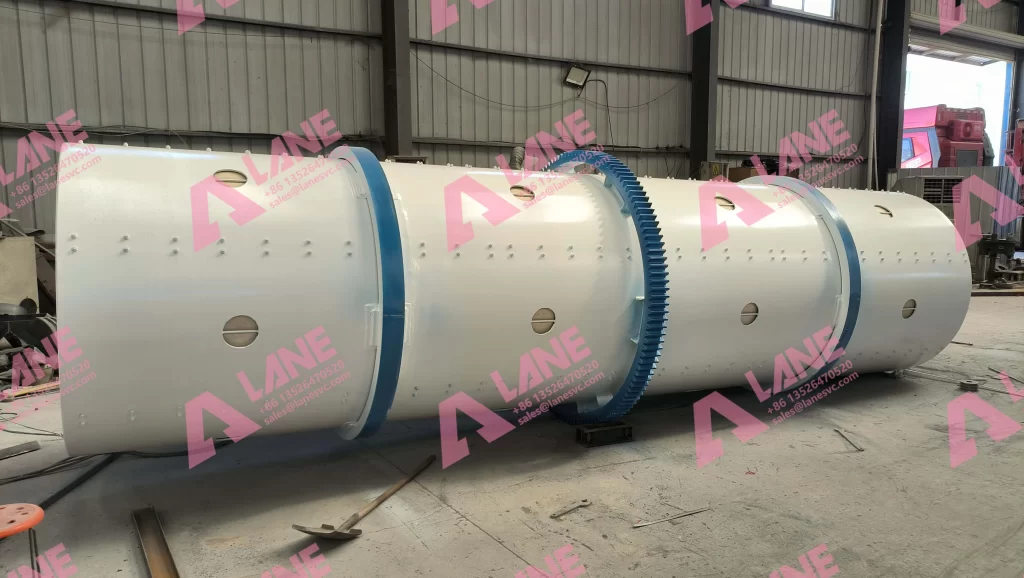
The Equipment: The Rotary Dryer A large, industrial-strength dryer is essential for any step by step MAP fertilizer production guide.
How it works: The granules enter a long, tilted drum. Hot air is blown through the drum as it spins, gently lifting and dropping the granules to ensure every side is dried.
The Advantage: It uses heat efficiently and ensures the core of the granule is dry, which prevents mold and clumping later on.
You can’t package hot fertilizer. If you do, condensation will form inside the bag, ruining the product.
The Equipment: The Rotary Cooler This looks similar to the dryer but works in reverse.
How it works: Instead of hot air, it uses ambient or chilled air to bring the temperature of the MAP granules down to room temperature quickly.
The Advantage: It stabilizes the granules and makes them “tougher,” preparing them for the screening process.
Not every granule comes out the perfect size. Some are too big (oversize), and some are just dust (fines). A professional step by step MAP fertilizer production guide always includes a “sorting” step.
The Equipment: The Rotary Screening Machine This machine acts like a giant, vibrating sieve.
How it works: It has different layers of mesh. The “good” granules go through to the next step, the “fines” go back to the mixer to be remade, and the “oversize” pieces go to a crusher to be broken down.
The Advantage: This ensures that every bag of fertilizer you sell looks professional and fits perfectly in a farmer’s spreader.
To give your MAP fertilizer a premium look and longer shelf life, many producers add a coating step.
The Equipment: The Coating Machine This is a smaller rotating drum used at the end of the step by step MAP fertilizer production guide.
How it works: It sprays a thin layer of oil or wax (and sometimes a specific color) onto the granules.
The Advantage: It prevents “caking” (sticking together) and gives the fertilizer a shiny, high-quality appearance that customers love.
The final step is getting the product into bags and onto trucks.
The Equipment: Automatic Packing Scale Gone are the days of manual shoveling.
How it works: The machine automatically weighs the fertilizer (usually 25kg or 50kg), fills the bag, and sews it shut.
The Advantage: It is incredibly fast and ensures that you never “overfill” or “underfill” a bag, saving you money and keeping customers happy.
Choosing the right equipment is just as important as following a step by step MAP fertilizer production guide. At LANE, we don’t just sell machines; we provide complete growth solutions. Here is why businesses around the world choose us:
Over 20 Years of Expertise: We have been a leader in the Chinese fertilizer machinery industry for more than two decades. We’ve seen the industry evolve, and we know what works.
Custom Engineering for Your Needs: Our professional engineering team doesn’t believe in “one size fits all.” We can design, manufacture, and install a complete MAP fertilizer production line tailored specifically to your factory space and budget.
International Quality You Can Trust: Our products are built to last and comply with ISO9001 and CE international quality standards. When you buy from us, you are buying world-class reliability.
One-Stop Service & Support: From the initial layout design to the final installation and staff training, we are with you. We provide full after-sales support, including maintenance, troubleshooting, and parts replacement to keep your line running 24/7.
Full Product Range: Whether you need a simple MAP line, a complex NPK production line, or organic fertilizer equipment, we have the specialized tools to help you succeed.
Our engineers use this step by step MAP fertilizer production guide as a blueprint to customize your specific factory layout.
Creating high-quality fertilizer is a journey that requires the right knowledge and the right tools. By following this step by step MAP fertilizer production guide, you can see that while the process has many stages, each piece of machinery plays a vital role in ensuring a top-tier final product.
The global demand for food is only growing, and high-efficiency fertilizers like MAP are the key to meeting that demand. Using a professional step by step MAP fertilizer production guide ensures your business stays competitive and your product stays consistent.
We hope this step by step MAP fertilizer production guide has clarified the path to your manufacturing success. If you are ready to start your own production journey or want to optimize your current setup, we are here to help.
For more details, please feel free to contact us.
Henan Lane Heavy Industry Machinery Technology Co., Ltd.
Email: sales@lanesvc.com
Contact number: +86 13526470520
Whatsapp: +86 13526470520
Copyright © Henan Lane Heavy Industry Machinery Technology Co., Ltd.
