
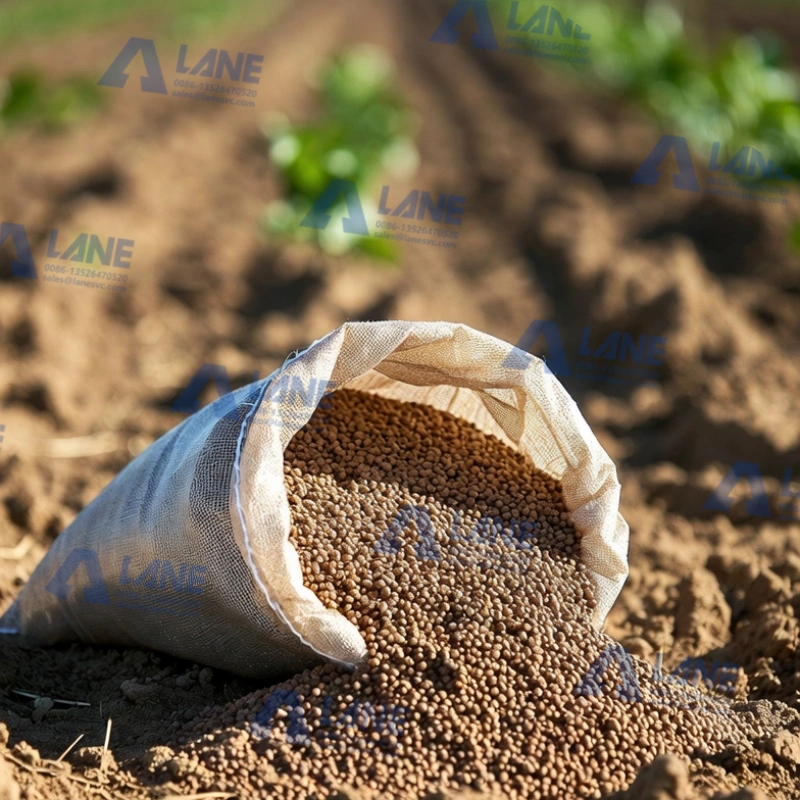
If you have ever stepped foot onto a farm or into a fertilizer production plant, you know that Phosphorus is the “energy currency” of the plant world. But when it comes to choosing the right starter, the debate usually boils down to two heavy hitters: MAP (Monoammonium Phosphate) and DAP (Diammonium Phosphate). Understanding the differences and connections between MAP and DAP is essential for anyone looking to optimize crop yields or set up an efficient production line.
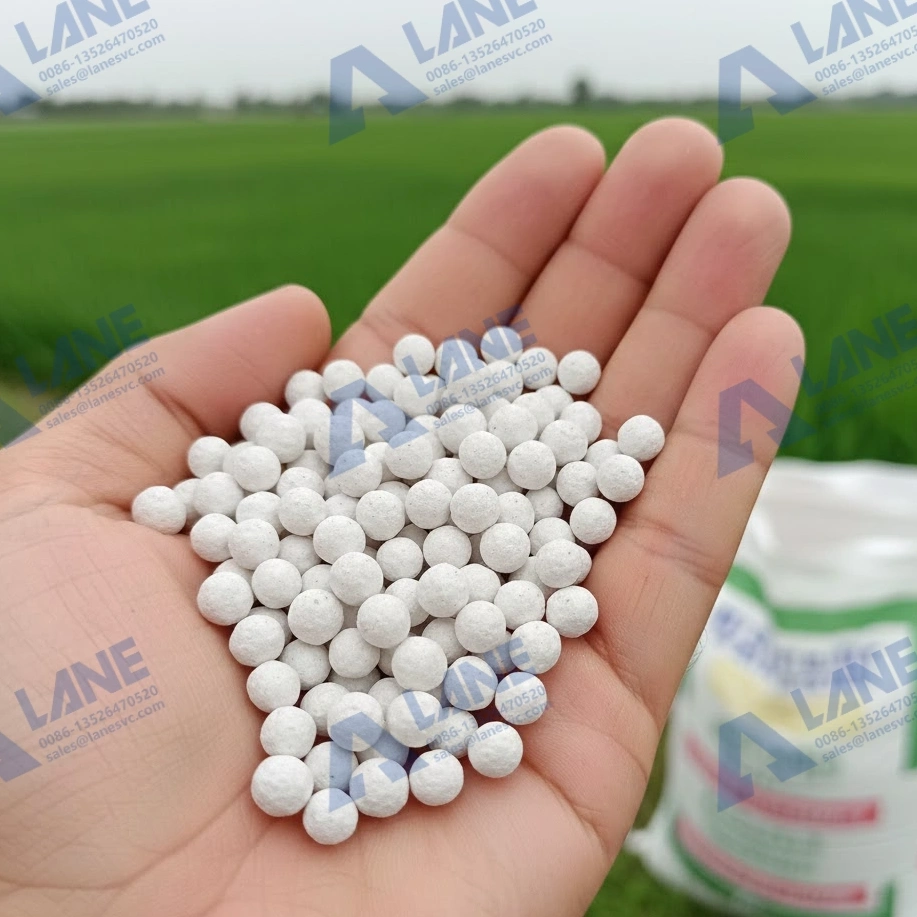
At first glance, these two white-to-gray granules look almost identical. However, their chemical “personalities” are quite different. In this guide, we will break down what makes them unique and how they work together in the global world of agriculture.
When we look at the water-solubility of these products, the differences and connections between MAP and DAP become very clear. While both dissolve quickly to provide immediate nutrients, the chemical bridge between them lies in how their phosphate molecules are released into the soil solution.
Before we dive into the deep end, let’s look at the basics. Both MAP and DAP are ammonium phosphate fertilizers. They are created by reacting phosphoric acid with ammonia. The result is a highly water-soluble granule that provides plants with two vital nutrients: Nitrogen (N) and Phosphorus (P).
MAP (11-52-0): Contains about 11% Nitrogen and 52% Phosphorus.
DAP (18-46-0): Contains about 18% Nitrogen and 46% Phosphorus.
While they share a similar origin story, the differences and connections between MAP and DAP start with their nutrient ratios and how they affect the soil’s pH levels.
When choosing between these two, the “best” one depends entirely on your soil type and the crops you are growing. Here are the main areas where they diverge:
This is perhaps the most significant difference. When MAP dissolves in the soil, it creates an acidic reaction (lower pH). This makes it a fantastic choice for alkaline soils (soils with high pH).
On the other hand, DAP creates a temporary alkaline reaction (higher pH) around the granule as it dissolves. In acidic soils, DAP can help balance things out, but in already alkaline soils, it might temporarily release free ammonia, which can be tough on sensitive seeds.
DAP is the “Nitrogen King” of the two. If your crop needs a bigger boost of early-season Nitrogen, DAP is often the go-to. However, if you want the highest concentration of Phosphorus possible in a single bag, MAP takes the lead with its 52% P2O5 content.
Because of the alkaline reaction mentioned above, DAP can be slightly more “aggressive” toward young seedlings if placed too close to the seed row. MAP is generally considered “safer” for direct seed contact because its acidic nature prevents the buildup of toxic ammonia.
Despite their differences, the differences and connections between MAP and DAP show that they are actually close relatives in the manufacturing world.
Understanding the differences and connections between MAP and DAP allows producers to switch between the two based on market demand and raw material costs.
If you are a fertilizer producer or a large-scale farmer, you shouldn’t just pick one at random. You need to consider:
Often, the differences and connections between MAP and DAP mean that a smart operation will actually produce or use both at different times of the year or for different regional markets.
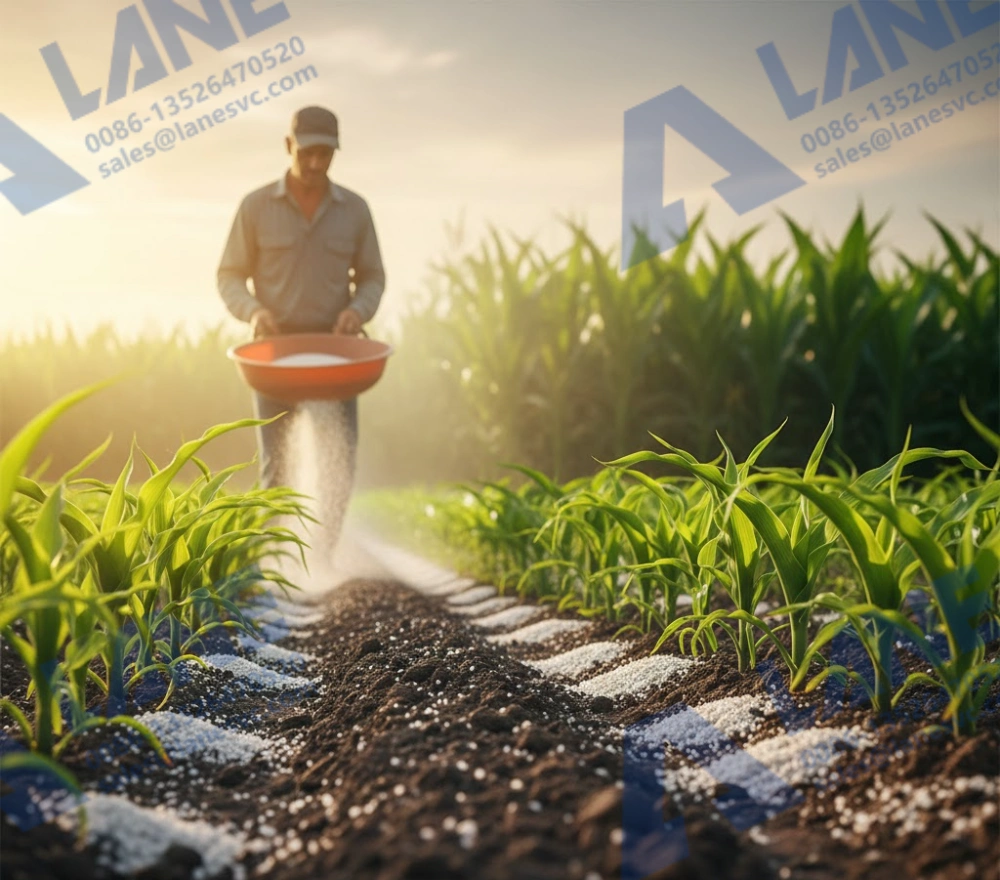
Our professional engineering team doesn’t just build machines; we consult with you on the specific differences and connections between MAP and DAP required for your specific regional market. This ensures your production line is calibrated for the exact density and granulation needs of your chosen product.Setting up a production line that can handle the differences and connections between MAP and DAP requires more than just machinery; it requires decades of “know-how.” This is where LANE steps in to help your business grow.
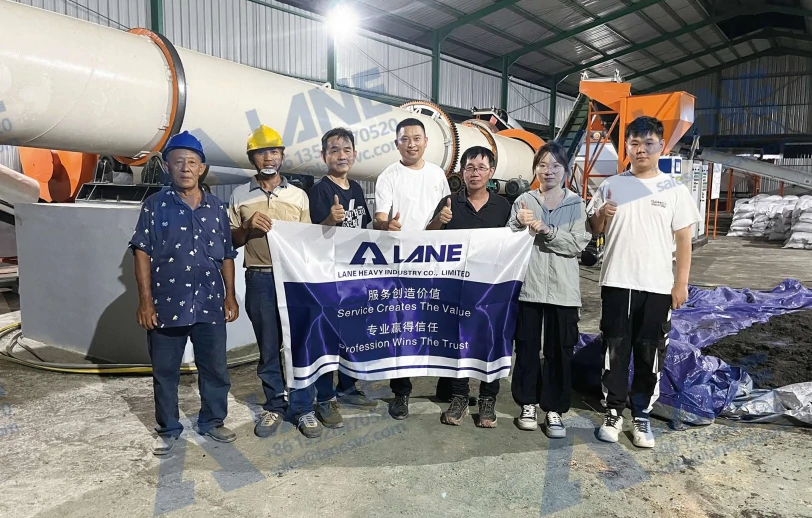
With over 20 years of professional experience in the Chinese fertilizer machinery industry, we have seen the market evolve. We don’t just sell “boxes” or “metal”; we provide solutions. Here is why partners around the world trust us:
We understand that every factory has different space constraints and goals. Our professional engineering team specializes in customized services. Whether you need a specific granulator for MAP or a full-scale DAP production line, we design, manufacture, and install the entire system to fit your needs perfectly.
From the moment the first bolt is tightened to years after the factory is running, we are with you. Our one-stop full-scale service includes:
Professional equipment installation.
Comprehensive after-sales support (maintenance and troubleshooting).
System upgrades to keep your production efficient.
We take quality seriously. Our products meet ISO9001 and CE international quality standards, ensuring that your investment is durable, safe, and reliable. We focus on providing high-quality machinery for organic, compound, and liquid fertilizers.
By working with us, you aren’t just buying a machine; you are gaining a partner that understands the technical differences and connections between MAP and DAP and how to build the hardware that makes them.
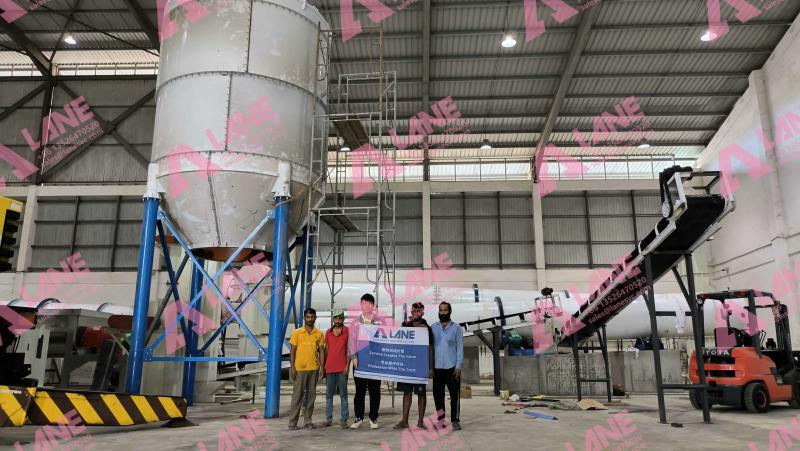
As global food demand rises, the efficiency of Phosphorus use is becoming a hot topic. Researchers are looking into “enhanced efficiency” versions of these fertilizers. However, the core differences and connections between MAP and DAP will remain the foundation of the industry for decades to come.
For producers, the goal is to remain flexible. A production line that can toggle between different formulations is a production line that stays profitable. When you understand the differences and connections between MAP and DAP, you can better serve farmers who are dealing with changing soil conditions and climate patterns.
In the end, there is no “winner” in the MAP vs. DAP contest. They are simply different tools for different jobs. MAP is the acidic, high-phosphorus specialist, while DAP is the nitrogen-rich, alkaline-reacting powerhouse.
Recognizing the differences and connections between MAP and DAP is the first step toward better crop management and smarter industrial production. Whether you are looking to improve your soil health or build a world-class fertilizer plant, knowing your phosphates is key.
At LANE, we are proud to support the global agricultural community with the machinery needed to produce these vital nutrients. We have the experience and the passion to help you succeed in the competitive world of fertilizer manufacturing.
For more details, please feel free to contact us.
Henan Lane Heavy Industry Machinery Technology Co., Ltd.
Email: sales@lanesvc.com
Contact number: +86 13526470520
Whatsapp: +86 13526470520
Copyright © Henan Lane Heavy Industry Machinery Technology Co., Ltd.
