
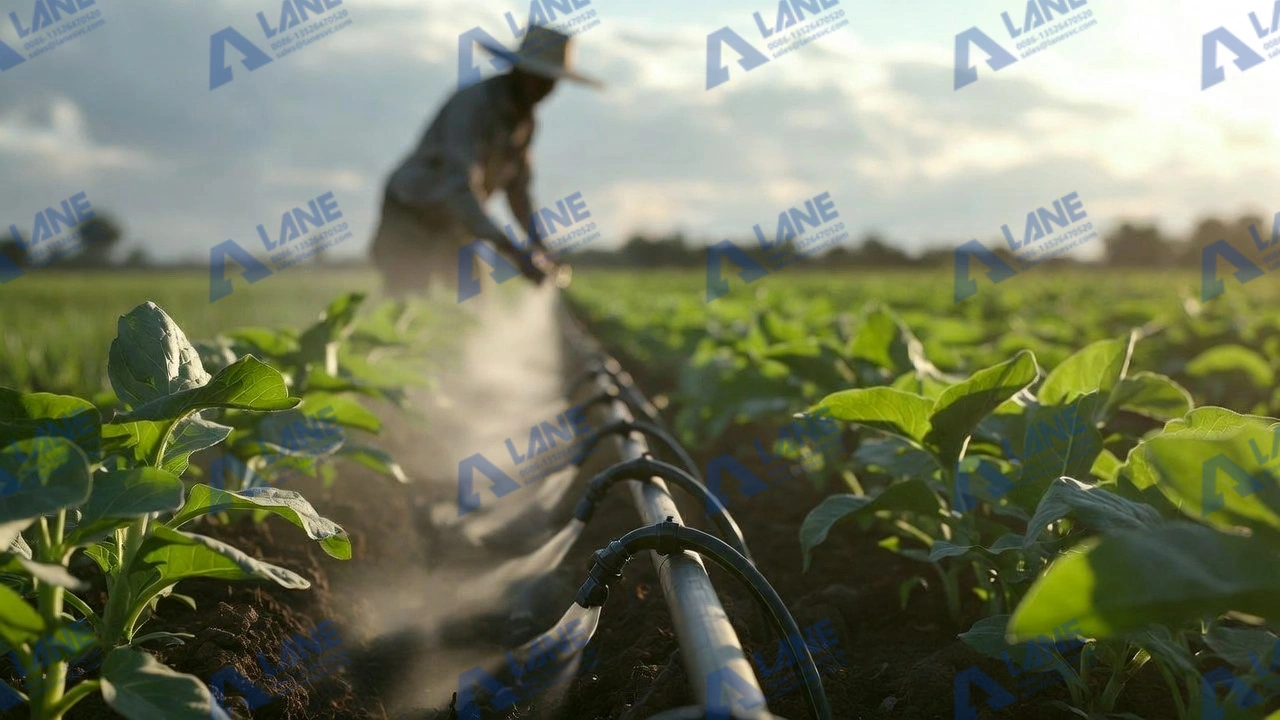
If you talk to any hydroponic or greenhouse operator, they will always suggest you to not put any standard field fertilizer into your water reservoir. This suggestion saved thousands of greenhouse operator from ruin. Hydroponics eliminates soil and delivers nutrients directly to plant roots which achieve faster growth, higher yields, and more efficient water usage. Many manufacturer and hydroponics operator are rising a serious question is water soluble phosphate fertilizer safe for hydroponics?
The answer of water soluble phosphate fertilizer safety is not a yes or no. It’s rather how purified the fertilizer is during manufacturing. It begins inside the chemical reaction and filtration stages of an industrial production plant. Soil free farming demands absolute water purity. A standard water soluble phosphate fertilizer as safe as the machinery that manufactured it. When it is manufactured properly, it provides phosphorus that supports root development, flowering, fruiting, and plant health. In this article, we will explore the role of water soluble phosphate fertilizer in hydroponics and how LANE Heavy Industry provides advanced production equipment for manufacturing premium phosphate fertilizers.
Water soluble phosphate fertilizer refers to phosphate-based fertilizers high purity fertilizer that dissolves 100% in water without leaving residue. This fertilizer is engineered for immediate nutrient absorption.
Common water-soluble phosphate fertilizers include:
Phosphorus is essential for root development, early stage flowering, and energy transfer. This makes it very important nutrient for hydroponic systems where plants rely entirely on dissolved nutrients. When a hydroponics system lacks phosphorus, the plant exhibits stunted growth, dark green or purplish hues on older leaves, and a frail root network. To fix this problem a bio productive water soluble phosphate fertilizer must be introduced into the irrigation stream.
Hydroponic systems demand fertilizers with exceptional purity because:
| Factor | Soil Agriculture | Hydroponics |
| Filter | Soil filters impurities | No filter—direct root contact |
| Impurity Impact | Minimal | Can clog systems, harm plants |
| Heavy Metals | Tolerated in small amounts | Must be absent |
| Solubility | Partial acceptable | Must be 100% |
Water soluble phosphate fertilizer must be free from heavy metals, insoluble materials, and excess ammonium (should contain 10% or lower NH₄�). Impurities clog drip lines, nutrient imbalances, and sometimes it creates poisonous affect in soilless systems.
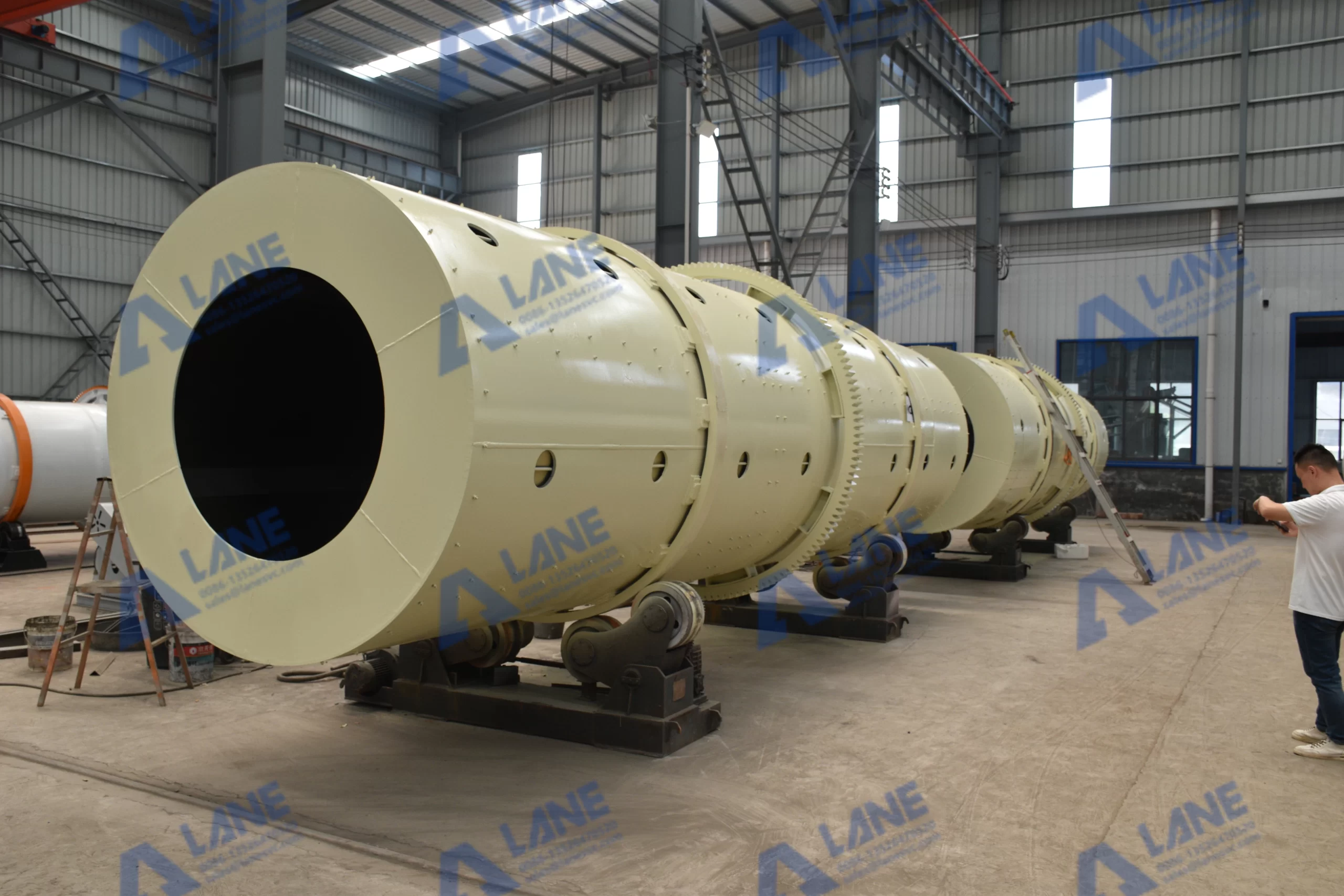
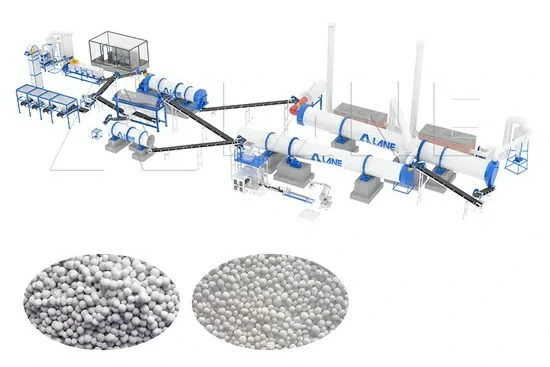
A hydroponic-grade phosphate fertilizer doesn’t happen by accident. It requires advance machinery to remove impurities and ensure consistent crystal structure. The most reliable method for producing water soluble phosphates is neutralizing purified phosphoric acid with a potassium or ammonium base. LANE Heavy Industry’s Machinery offers an advanced fertilizer production line that ensures the high purity required for hydroponic applications.
Key Steps in LANE’s Production Process:
This process is fundamentally different form the standard granulation process and require precision, cleanliness, and control to produce premium quality phosphate fertilizer.

When produced using LANE Heavy Industry’s machinery, the water soluble phosphate fertilizer offers many significant advantages:
Safety Considerations
While the pure water soluble phosphate fertilizer is safe for hydroponics, grower must consider:
Fertilizer produced with LANE Heavy Industry’s machinery meet these standards through rigorous quality control and ISO-compliant processes. Our equipment’s are being used in many facilities around the world who passed these standards.
Common Phosphate Grades for Hydroponics
| Grade | N-P-K Ratio | Best Use |
| 12-61-0 | Low N, High P | Root establishment |
| 10-52-10 | Balanced | Seedling stage |
| MAP (11-52-0) | High P | General growth |
| DKP (0-52-34) | No N, High P & K | Blooming stage |
Q1: Can I use regular water-soluble NPK soil fertilizer for hydroponics?
No. Unless it contains 10% or lower ammonium (NH₄�) and is specifically labeled for hydroponic use, regular soil fertilizers may clog systems and harm plants.
Q2: What is the best phosphate fertilizer for hydroponics?
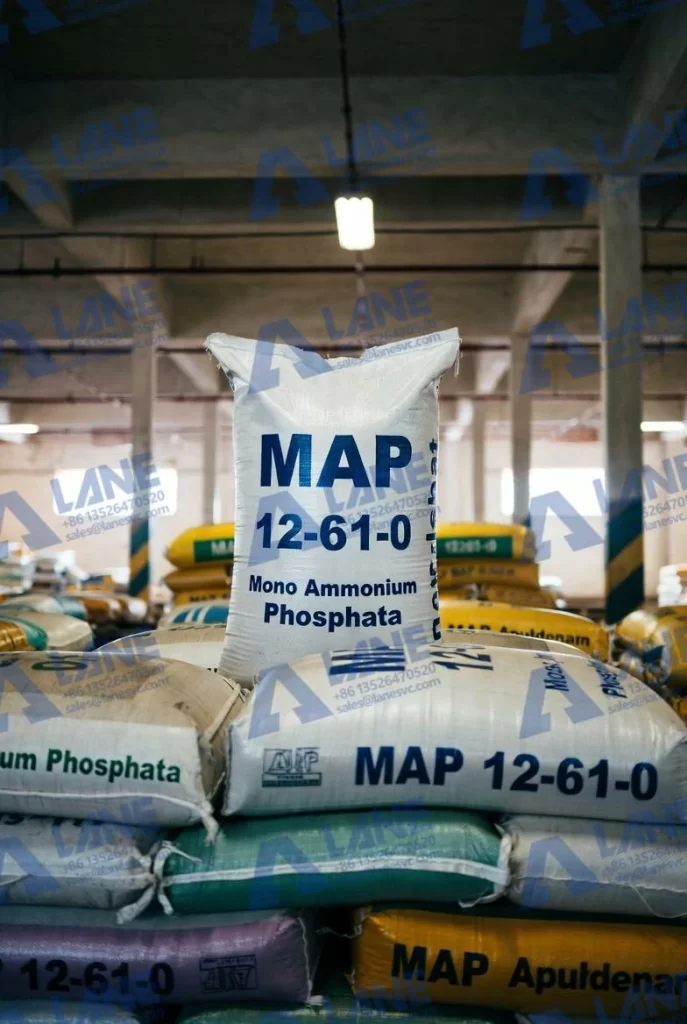
Monoammonium phosphate (MAP) with grade 11-52-0 or specialized grades like 12-61-0 are most popular for root development and general growth.
Q3: How do I know if a fertilizer is truly water soluble?
Look for certifications stating “100% water soluble” with no residue. High-quality fertilizers from LANE Heavy Industry’s production line undergo solubility testing.
Q4: Can water soluble phosphate fertilizer clog my hydroponic system?
Only if it’s not truly soluble or contains impurities. High-purity fertilizers dissolve completely, providing zero clogging in drip systems.
For more details, please feel free to contact us.
Henan Lane Heavy Industry Machinery Technology Co., Ltd.
Email: sales@lanesvc.com
Contact number: +86 13526470520
Whatsapp: +86 13526470520
Copyright © Henan Lane Heavy Industry Machinery Technology Co., Ltd.
