
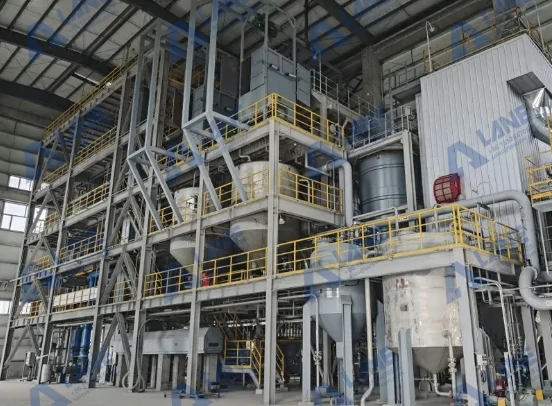
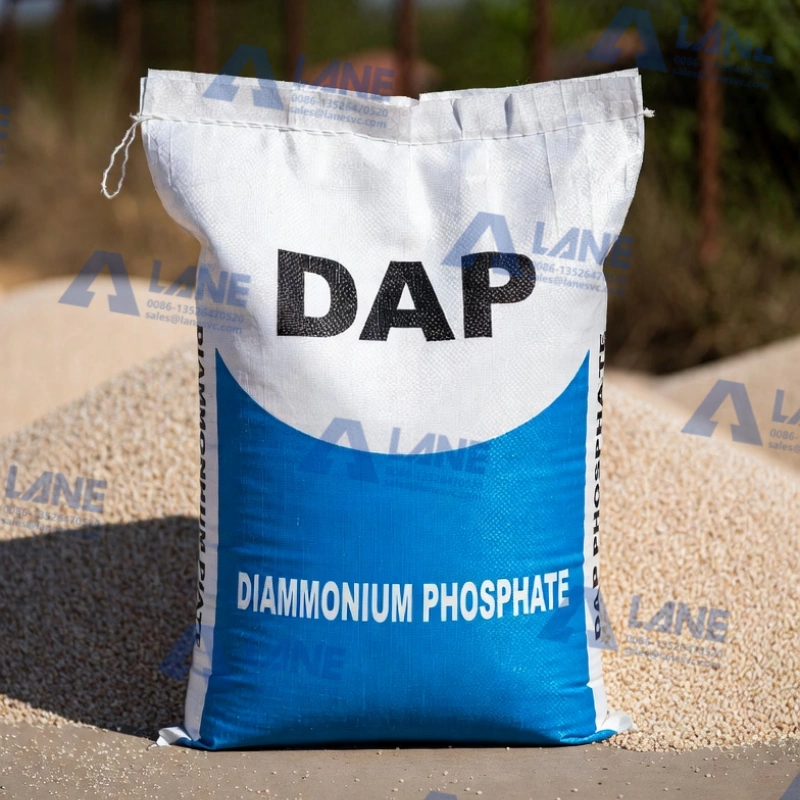
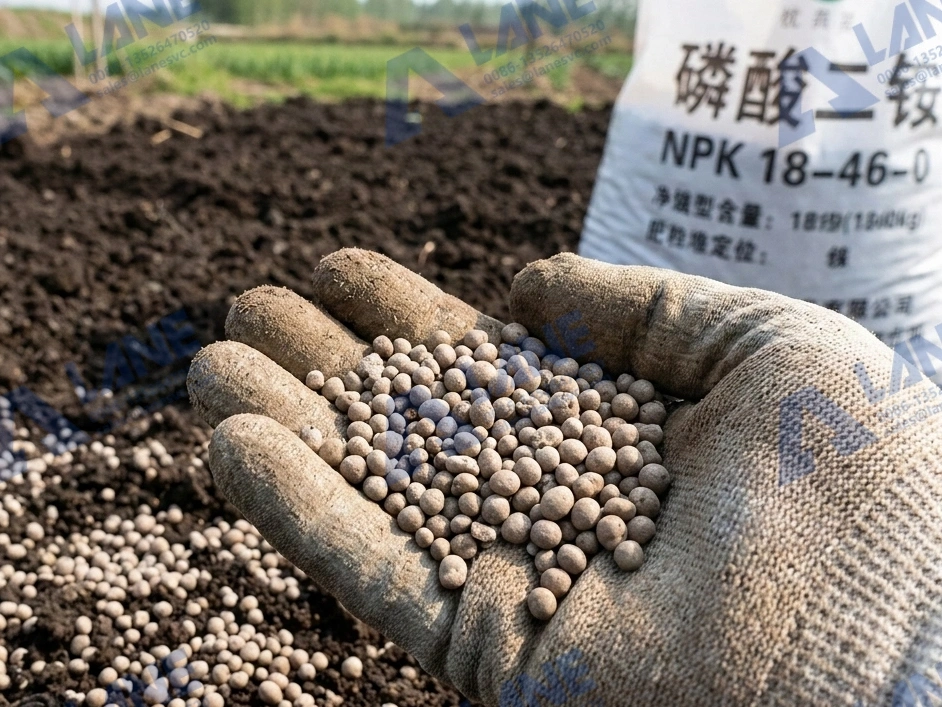
Monoammonium phosphate (MAP) is one of the most popular and used phosphate fertilizers in the world due to its high phosphate content, strong solubility, and suitability for fertigation systems. The agriculture industry is improving rapidly; agriculture investors are no longer making small-scale farms; they are creating industrial-scale farms and for that they need large amounts of fertilizers as supply. The 100,000 ton MAP production plant has emerged as a strategic investment for long-term profitability, operational efficiency, and global competitiveness.
As the world’s population marches towards 10 billion, the pressure on arable land has never been higher. This is where the 100,000 ton MAP production plant has emerged as the strategic “Goldilocks” zone for investors. It is large enough to command significant economies of scale, yet nimble enough to bypass the astronomical capital risks associated with mega-complexes. With the help of LANE Heavy Industry’s precision technology, premium quality Monoammonium Phosphate (MAP) production becomes easier.
MAP (Monoammonium Phosphate) holds a dominant position in the global phosphate fertilizer market. It is popular because of its efficiency and versatility in agriculture.
Its advantages include:
As agriculture technology keeps improving, MAP demand continues to grow steadily, making large-scale production plants increasingly attractive.
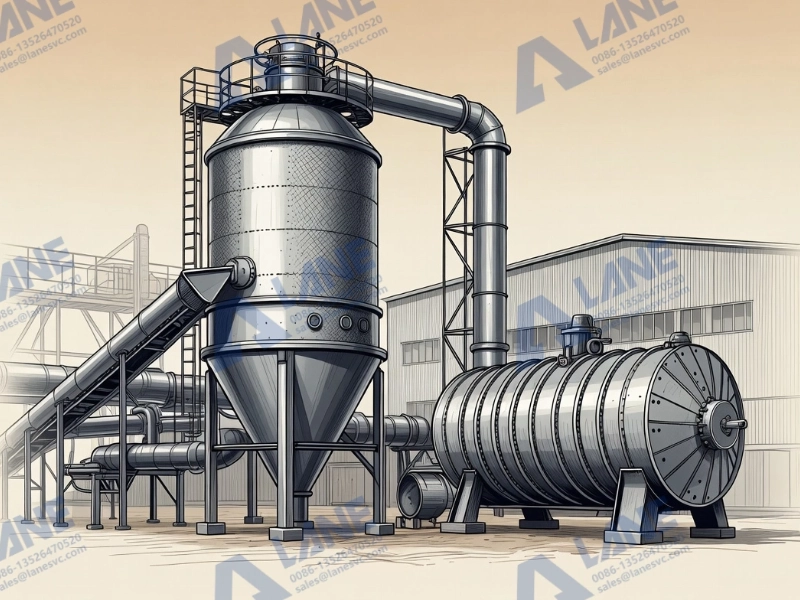
To achieve the benchmark of 100,000 tons per year, the plant must be unfailing. LANE Heavy Industry has designed a specialized fertilizer production line that optimizes every stage of the MAP synthesis and granulation process.
The Granulation Core: The Rotary Drum Method
At this scale, Rotary Drum Granulation is the undisputed king. LANE’s machinery utilizes a sophisticated vapor-injection system within the drum to facilitate the chemical reaction between phosphoric acid and ammonia.
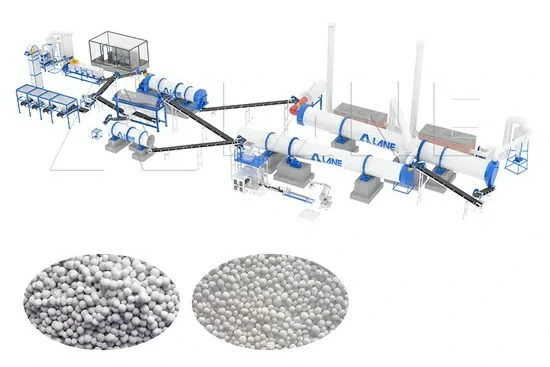
LANE Heavy Industry’s MAP production line is a fully integrated automated system designed to optimize every step from raw material feeding to finished product bagging. The core of the line features a high-efficiency pre-neutralizer and pipe reactor combination that achieves ammonia-to-phosphate reaction rates exceeding 97% while controlling the N:P molar ratio with exceptional accuracy. This direct reactor design slashes steam consumption and generates a slurry with ideal moisture content for granulation.
LANE Heavy Industry’s granulation line follows a rigorous technical flow:
| Component | Specification / Feature | Impact on Production |
| Annual Capacity | 100,000 Metric Tons | Optimized for regional market dominance. |
| Granulator Type | Heavy-duty Rotary Drum | 90% + granulation rate. |
| Fuel Source | Natural Gas / Coal / Biomass | Flexible energy inputs for lower OPEX. |
| Automation Level | Fully Integrated PLC System | Reduces labor costs and human error. |
| Material Build | Stainless Steel / Anti-corrosive Lining | Handles the acidic nature of Pâ‚‚Oâ‚… safely. |
Economic Viability: Calculating the ROI
The allure of a 100,000 ton MAP production plant lies in the math. When you integrate LANE Heavy Industry’s heavy-duty machinery, the operational expenses (OPEX) drop significantly.
Flexibility for Market Adaptation
Agriculture markets can fluctuate due to weather, policy changes, and commodity prices. A mid-scale plant provides the flexibility to adapt production volumes without the burden of oversized infrastructure.
Additionally, LANE’s modular design allows for:
This adaptability makes the 100,000 ton MAP production plant a strategic choice for long-term resilience.
Fertilizer demand is growing rapidly in regions such as Southeast Asia, Africa, and South America. However, many areas still rely heavily on imports even though they have the capability to make the fertilizer in the country.
By establishing a local 100,000 ton MAP production plant, investors can:
For example, a mid-sized plant in Southeast Asia can supply multiple neighboring countries, creating a strong regional market presence.
Farmers depend on consistent fertilizer quality to achieve reliable crop performance. The 100,000 ton MAP production plant from LANE Heavy Industry is designed to ensure:
This consistency enhances brand reputation and customer loyalty. In the agriculture industry, both reputation and customer loyalty are important for long-term success.
Choosing the right turnkey partner is the difference between a thriving enterprise and a standard asset. The 100,000 ton MAP production plant from LANE Heavy Industry is made by focusing on:
It is a fertilizer manufacturing facility capable of producing 100,000 tons of Monoammonium Phosphate annually, designed for efficient, mid-to-large-scale operations.
It offers an ideal balance between investment cost, production efficiency, and market flexibility, making it suitable for both regional and international supply.
The main inputs are phosphoric acid and ammonia, which react to form MAP fertilizer.
Their machinery integrates automation, energy-saving systems, and precision control, ensuring consistent quality and lower operating costs.
Yes, modern plants include emission control, energy efficiency, and recycling systems to minimize environmental impact.
For more details, please feel free to contact us.
Henan Lane Heavy Industry Machinery Technology Co., Ltd.
Email: sales@lanesvc.com
Contact number: +86 13526470520
Whatsapp: +86 13526470520
Copyright © Henan Lane Heavy Industry Machinery Technology Co., Ltd.
