
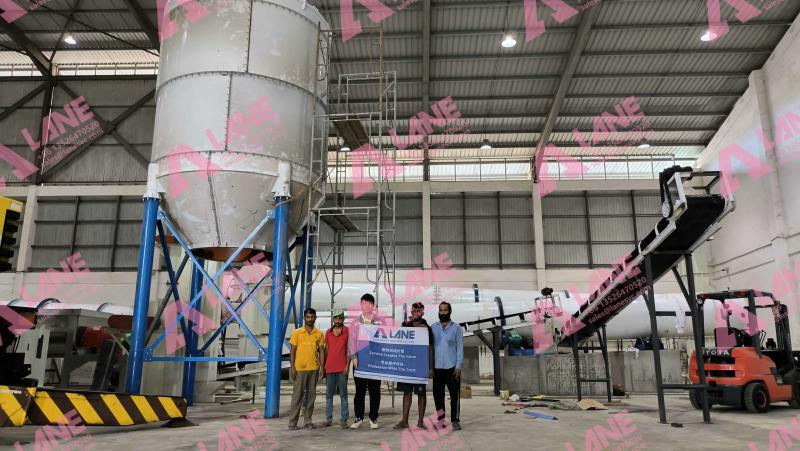
Monoammonium Phosphate (MAP) fertilizer is a widely used, highly concentrated inorganic compound fertilizer which is famous for its high phosphorus content. It provides 11–12% Nitrogen (N) and 52–61% Phosphorus (P₂O₅) to the plants. If you are a small-to-medium agribusiness, a farmer cooperative, or an entrepreneur looking to break into the fertilizer market, the economics of a low-capacity MAP plant might be exactly what you need without the headaches of a large-scale operation. A 3–5 TPH low-capacity MAP plant is a strategic investment that aligns with the goals of the small to medium businesses as it gives them both a starting point to keep their capital costs low, and to grow in a carefully controlled way.
Henan LANE Heavy Industry Machinery Technology Co., Ltd. has over 20 years of engineering experience designing turnkey MAP, DAP, and NPK fertilizer production systems. Our low-capacity MAP plant solutions are tailored for small fertilizer businesses and delivers a compact, efficient, and reliable production system that maximizes return on investment. This article explores the core advantages of choosing a 3–5 TPH low-capacity MAP plant from LANE Heavy Industry and why it stands out as the ideal choice for small-scale fertilizer production.
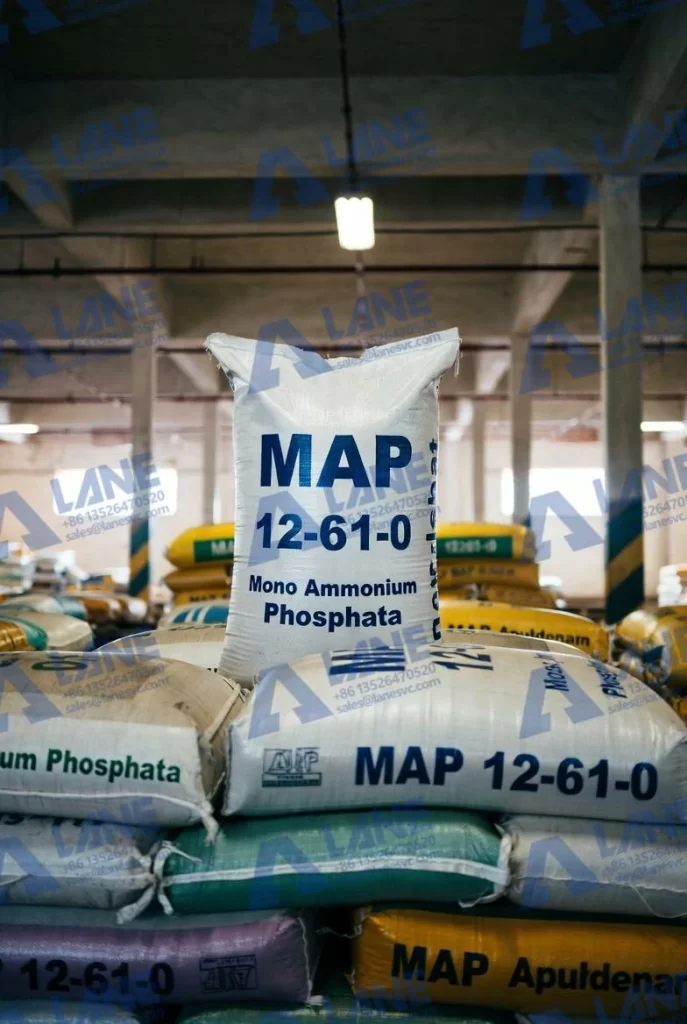
A standard low-capacity MAP plant in the 3–5 TPH range can produce around 20,000–35,000 tons of monoammonium phosphate granules per year on a 24-hour, 300-day-per-year operation. This gives you plenty of fertilizer to create a dedicated fertilizer customer base. LANE’s low-capacity MAP plant is designed to handle small-batch production efficiently, allowing businesses to quickly adjust output based on seasonal demand, regional crop requirements, and market trends.
Smaller plants mean:
Banks and financial institutions are more willing to fund a low-capacity MAP plant because the loan amounts are smaller and the payback period is shorter. LANE’s customized modular design allows you to start with the essentials and add components as cash flow improves.
A 3–5 TPH line is ideal for serving a local agricultural region. The producers don’t have to compete on price with huge global suppliers; you compete on freshness, customized solutions, just-in-time delivery, and relationships. These are factors that matter immensely in farming communities.
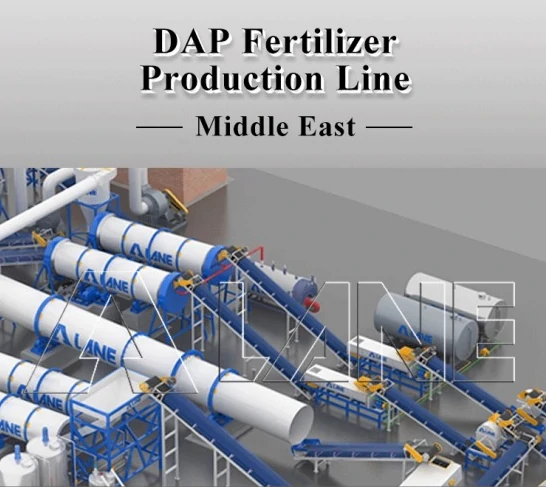
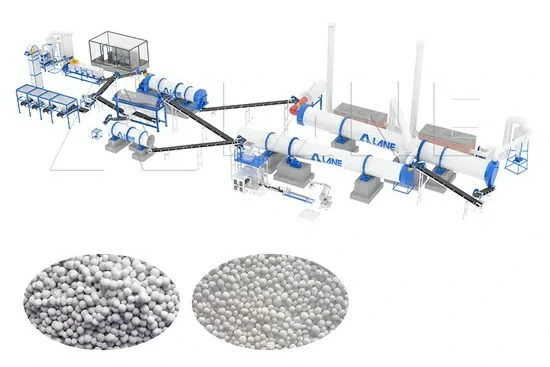
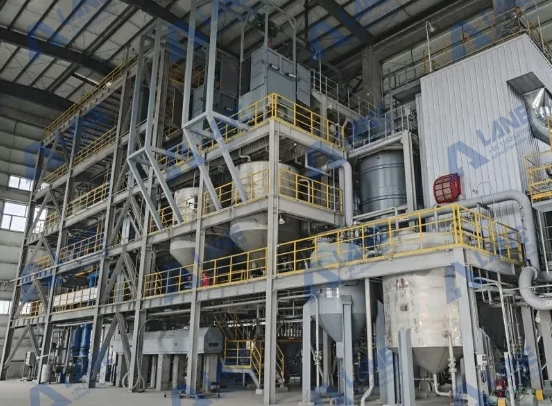
LANE’s MAP fertilizer production line is a fully automated and synchronized system which integrates mixing, granulation, drying, cooling, screening, and packaging into one system. Below are the key equipment modules that make up a LANE low-capacity MAP plant:
| Equipment | Function in a 3–5 TPH Line |
| Cage Crusher, Vertical or hammer crusher | Breaks large phosphate lumps into a fine, uniform powder, ensuring stable granulation performance. |
| Neutralizer Tank | It is a Continuous Stirred-Tank Reactor. This reaction tank ensures the reaction is stable and prevents direct contact between pure phosphoric acid and ammonia. Phosphoric acid and ammonia undergo a controlled exothermic reaction to form Monoammonium Phosphate (MAP). |
| Advanced Granulation System (Rotary drum, disc, or double roller press) | The heart of the line; converts MAP slurry into high-quality granules with controlled size, moisture, and roundness. LANE’s granulation process delivers uniform nutrient distribution and can reach a granulation rate of 90–95%. |
| Rotary Drum Dryer | Uses heat recovery to efficiently reduce moisture, improve granule strength, and prevent caking during storage. |
| Rotary Drum Cooler | Rapidly reduces granule temperature to prevent sticking, preserving the integrity of nitrogen and phosphorus content. |
| Screening Machine | Separates qualified granules from oversized or undersized particles; off-spec material is returned for re-crushing and re-granulation. |
| Automated Packaging System | Weighs, fills, and seals bags with high accuracy and speed, reducing manual labor and product waste. |
| Dust Collection & Anti-Corrosion Components | Protects the environment and extends equipment life; LANE uses anti-corrosion materials (rubber lining, stainless steel, alloy steel) in reaction zones. The cyclone dust and pulse dust collector collects particles from the system to keep the environment clean. |
Pro Tip: Even at 3 TPH, LANE can customize the line. For example, if your raw materials have high moisture, LANE’s technical team will recommend a different dryer configuration to keep the process smooth without over-engineering the plant.
LANE’s production line is energy-efficient and cost-effective. The fear of many investors is, “Will I be able to afford to run it?� With the LANE low-capacity MAP plant, the answer is clearly yes.
The 3–5 TPH plant is a low-capacity MAP plant, which consumes less energy and the maintenance process is simple. A small crew can handle the whole production line effectively with proper training. LANE provides staff training, so that your production line can run properly from day 1.
A low-capacity MAP plant from LANE isn’t a dead end. It’s designed from the beginning to be expanded:
LANE can customize a full phase plan for you. LANE manufactures complete, flexible, corrosion-resistant MAP plant solutions so that manufacturers can achieve long-term stability, lower energy consumption, and faster ROI at every stage.
Q1: What is the exact capacity range of a small MAP fertilizer plant?
A typical small-scale MAP plant starts at 3 TPH (approximately 20,000 tons per year) and can go up to 10–15 TPH for medium operations. Anything above 20 TPH is considered large-scale industrial.
Q2: How much land does a 3–5 TPH MAP plant need?
A complete MAP plant in the 3–5 TPH range typically requires 800–1,500 m² for the main production building, plus additional space for raw material storage and finished product warehousing.
Q3: What raw materials do I need to operate a MAP plant?
You need phosphoric acid (40–55% P₂O₅ concentration) and ammonia as primary feedstocks. Some formulations may incorporate additional micronutrients or fillers depending on your target market.
Q4: How long does it take to install and commission a LANE low-capacity MAP plant?
A typical 3–5 TPH turnkey project—from factory acceptance testing to on-site installation and commissioning—takes about 3–6 months, depending on site conditions and import/customs procedures.
For more details, please feel free to contact us.
Henan Lane Heavy Industry Machinery Technology Co., Ltd.
Email: sales@lanesvc.com
Contact number: +86 13526470520
Whatsapp: +86 13526470520
Copyright © Henan Lane Heavy Industry Machinery Technology Co., Ltd.
