
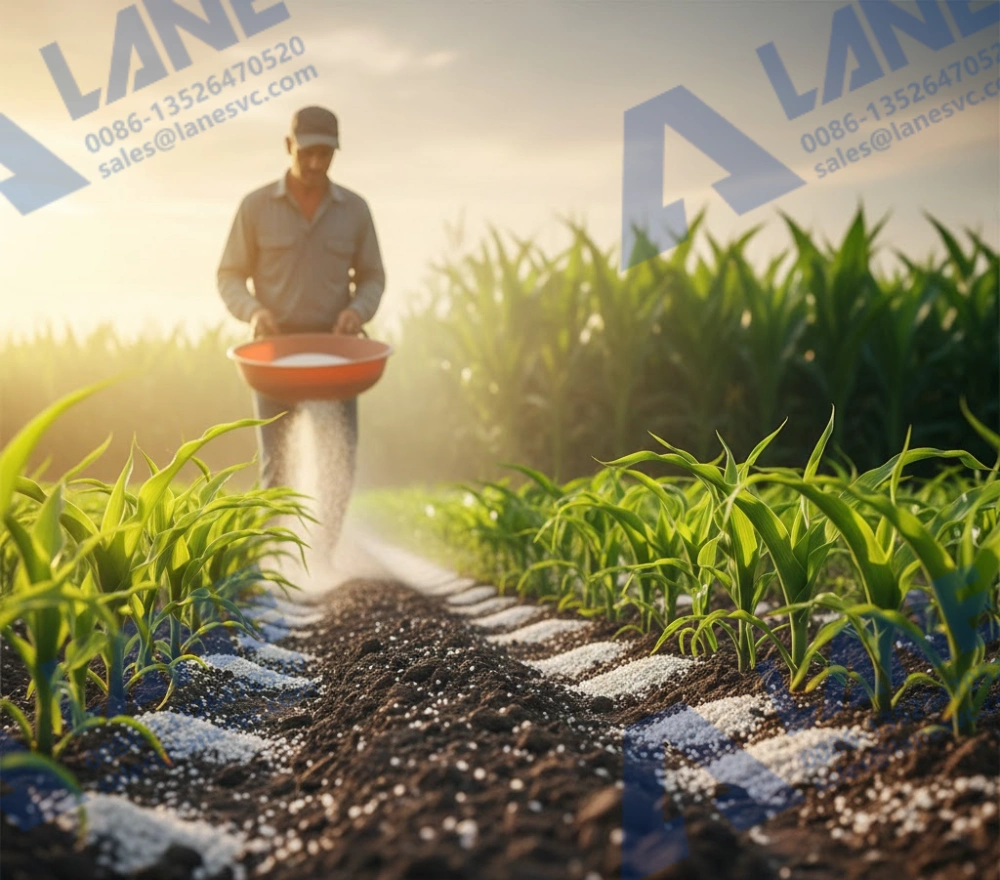
Building a diammonium phosphate (DAP) fertilizer plant requires more than purchasing individual machines. A complete production facility needs coordinated systems for raw material feeding, chemical reaction, granulation, drying, cooling, screening, material handling, and environmental protection. Each section has a different function, but the performance of one section directly affects the next.
For investors and fertilizer manufacturers, selecting the right DAP fertilizer manufacturing equipment is an important step in determining production stability, finished product quality, and long-term operating costs. A machine that works well in an organic fertilizer or NPK production line may not be suitable for conventional DAP manufacturing. The chemical reaction, slurry characteristics, operating conditions, and emission-control requirements are different.
This guide focuses on the practical questions buyers should consider before purchasing equipment. It explains the main machines, how they work together, which factors influence equipment selection, and what information suppliers need before preparing a quotation.
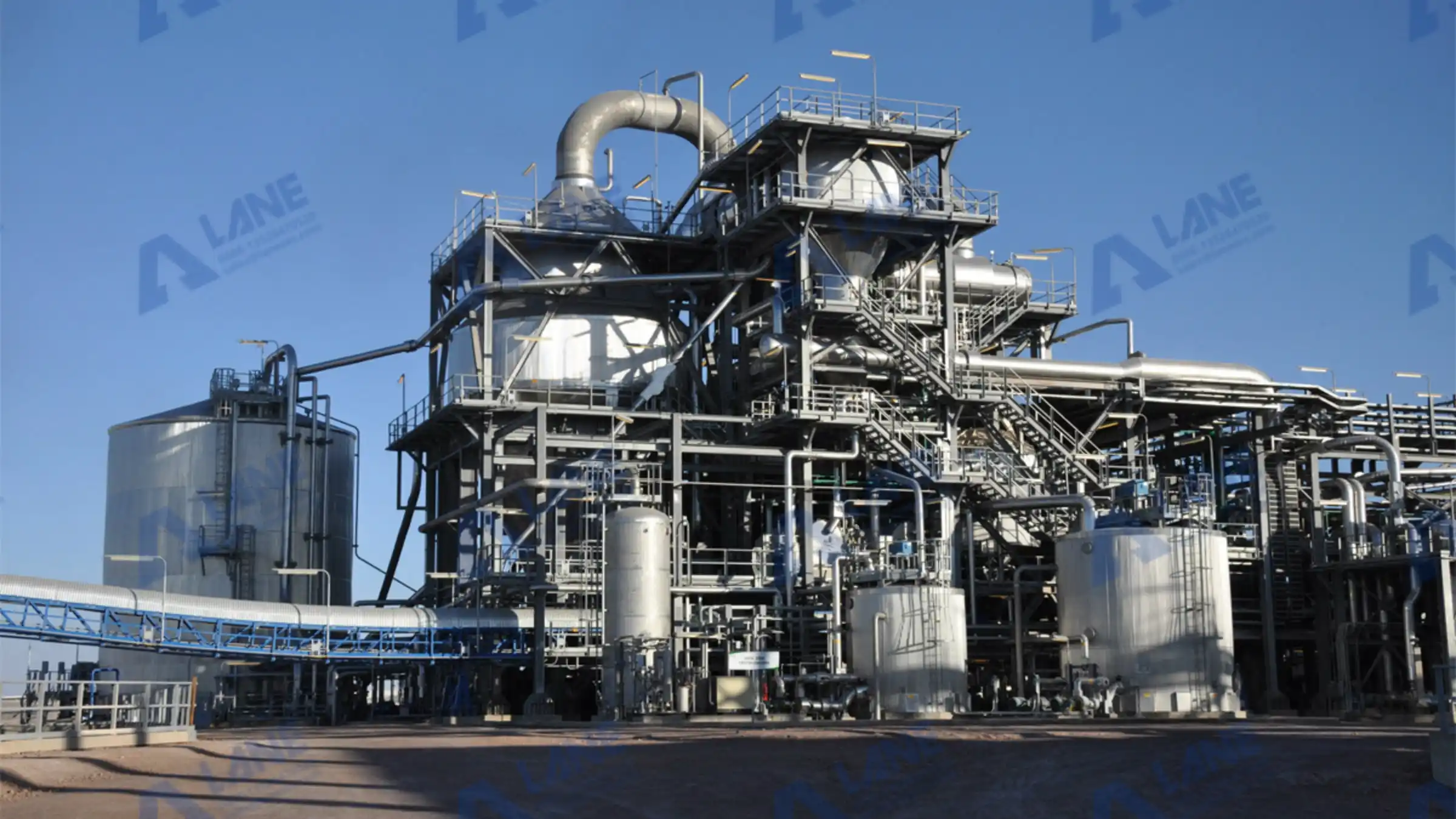
A conventional granular DAP production line generally includes raw material storage and feeding systems, reaction equipment, an ammoniator-granulator, drying and cooling machines, screening equipment, material recycling systems, conveying equipment, dust collection, gas scrubbing, and packaging machinery.
The exact configuration depends on the selected process, raw material conditions, target capacity, and finished product specifications. A supplier should therefore prepare an equipment list based on the project rather than simply recommend a standard group of fertilizer machines.
Raw Material Storage and Feeding Equipment
Phosphoric acid and ammonia are the main chemical feeds in conventional DAP production. The plant needs suitable systems to store, transfer, measure, and control these materials.
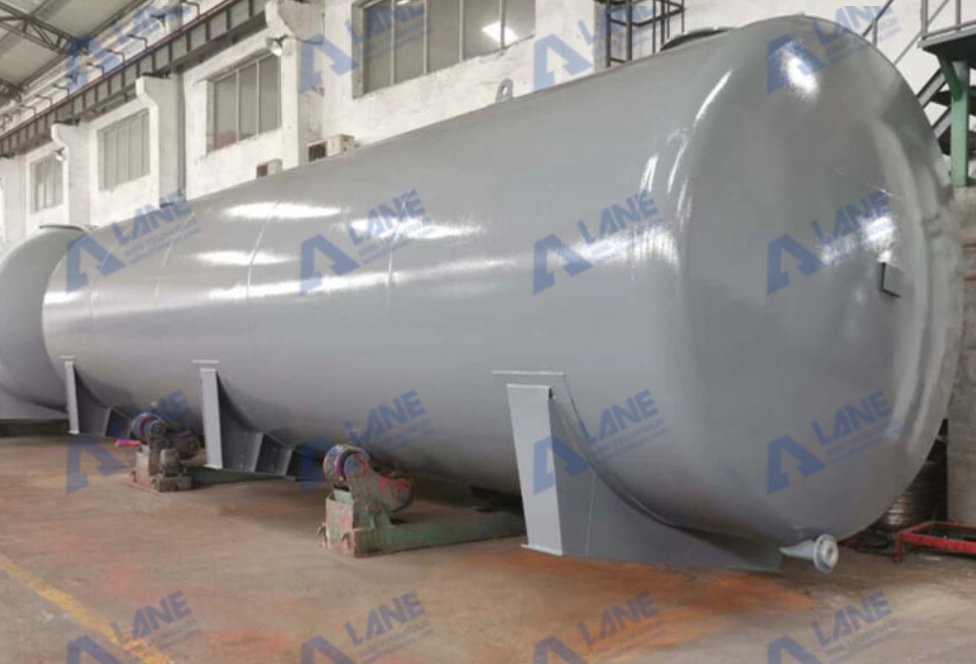
Typical equipment includes:
The purpose of this section is to provide a stable feed to the reaction system. If the acid or ammonia supply fluctuates, the reaction conditions may change, affecting the slurry entering the granulation stage.
The design must also consider the chemical properties of the materials. Tank construction, pump selection, pipeline materials, seals, and protective measures should be confirmed according to the actual operating conditions.
Reaction and Ammoniation Equipment
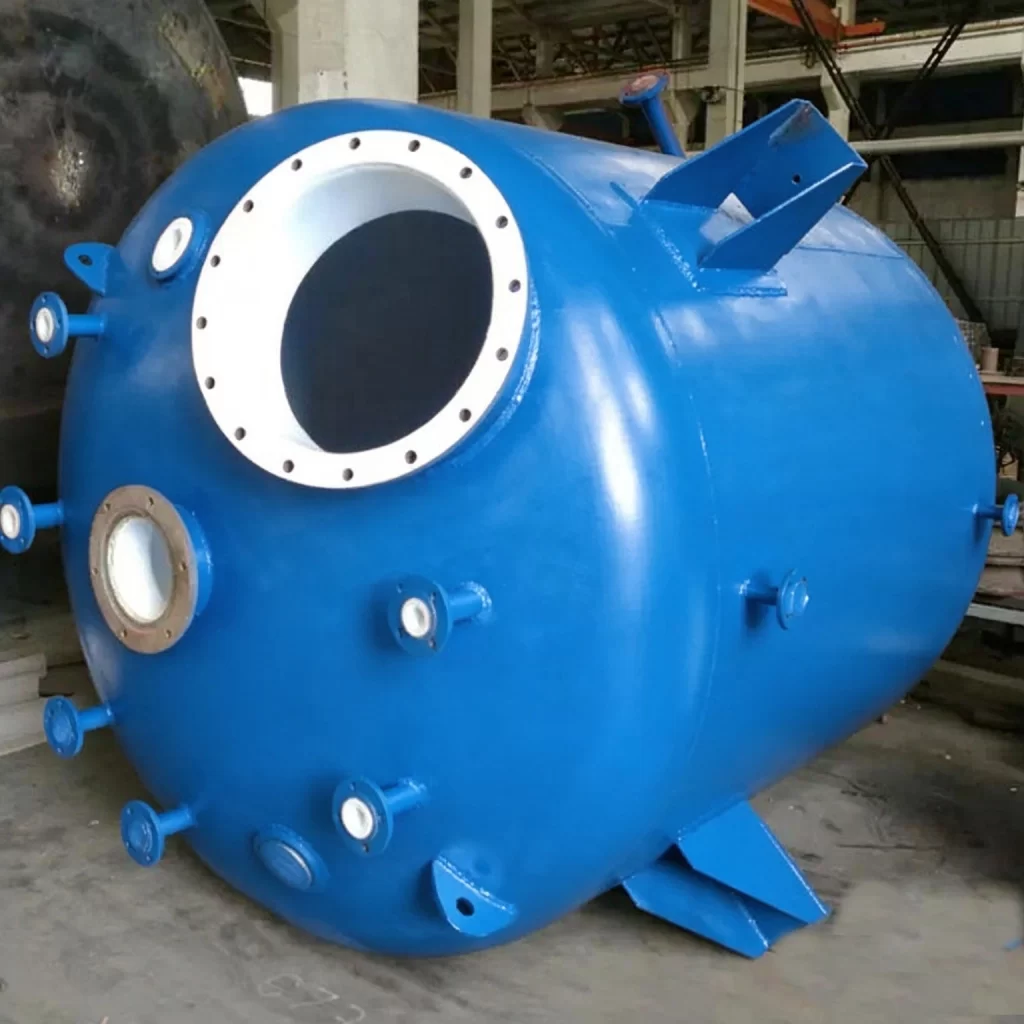
The reaction section combines phosphoric acid and ammonia under controlled conditions to produce ammonium phosphate slurry. Depending on the selected process, the main equipment may include a preneutralizer, pipe reactor, or another suitable reaction system.
A preneutralizer allows part of the neutralization reaction to occur before the slurry enters the granulation section. A pipe reactor provides another option for carrying out the reaction in a continuous process arrangement.
When reviewing DAP fertilizer manufacturing equipment, buyers should ask how the supplier controls feed rates, reaction temperature, pressure where applicable, and slurry properties. These factors influence the condition of the material entering the granulator.
The reaction system must also be designed for the chemical environment. Materials of construction, linings, seals, pumps, and pipelines should be selected according to the actual acid and ammonia service conditions.
Granulation Equipment
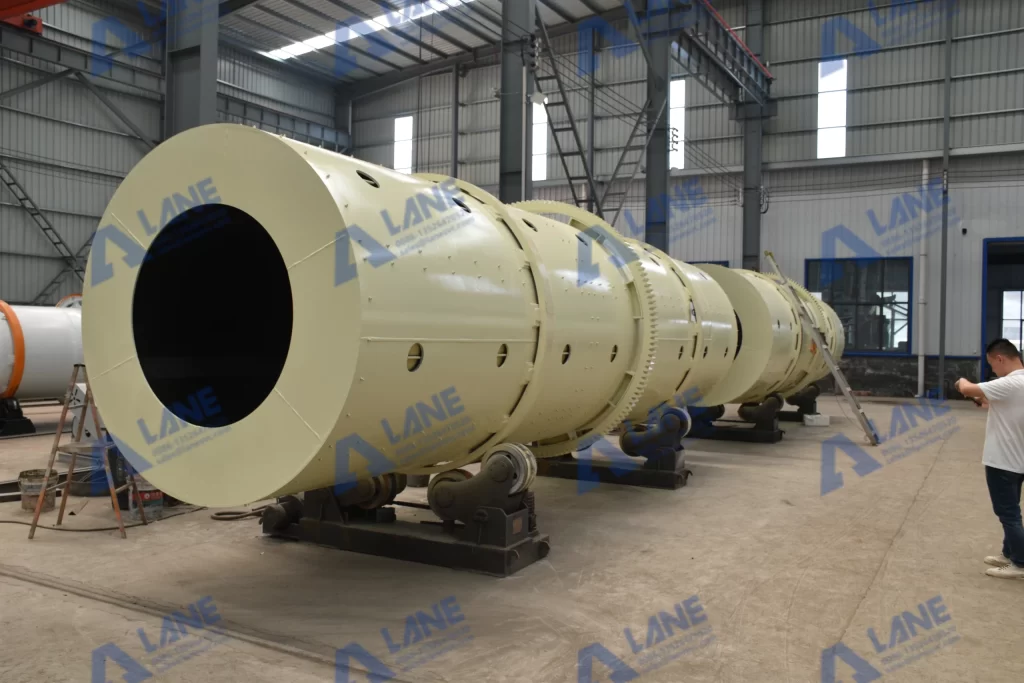
The ammoniator-granulator is one of the central machines in a conventional granular DAP production line. It receives the reaction slurry and combines it with recycled fine particles and other process streams. Additional ammoniation may take place during granulation, depending on the process design.
A rotary drum ammoniator-granulator is widely associated with conventional DAP production. Inside the rotating drum, a rolling bed of solid particles receives slurry and grows through coating and agglomeration. The operating conditions must match the slurry properties, recycle rate, and required product size.
Not every fertilizer granulator is interchangeable. Disc granulators and double roller granulators may be suitable for other fertilizer production processes, but buyers should not assume that they can directly replace a conventional DAP ammoniator-granulator without process engineering.
For a closer look at the process and its main machinery, read our industrial DAP fertilizer production solution.
Drying, Cooling, and Screening Equipment
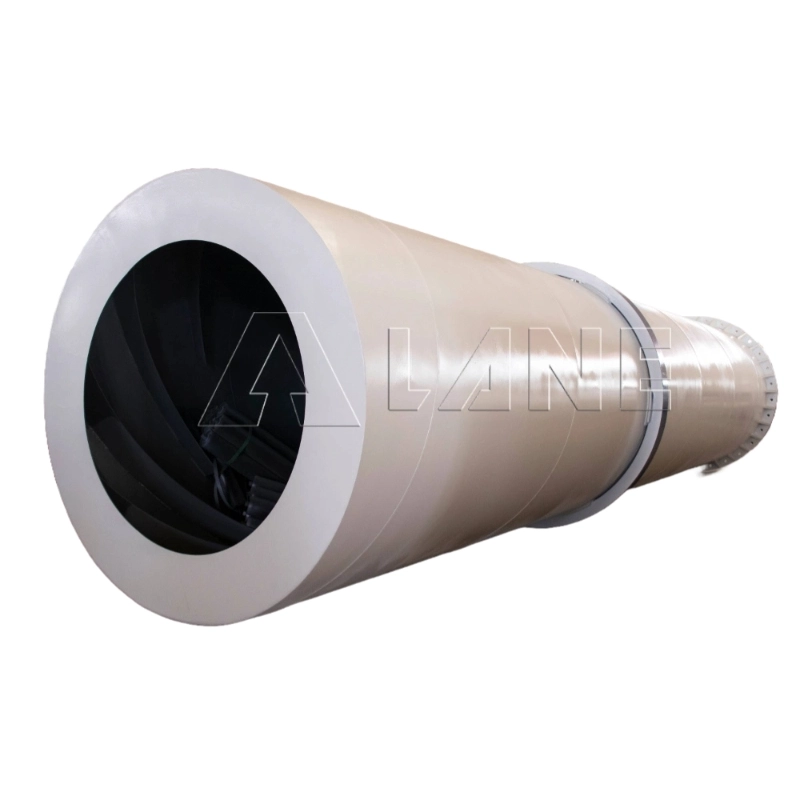
After granulation, wet DAP granules usually pass through a rotary dryer to reduce moisture. A rotary cooler then lowers the product temperature before screening and storage.
The screening system separates finished-size particles from undersize and oversize material. Undersize particles can return to the granulation process as seed material. Oversize particles are normally sent to a crusher before being recycled.
A complete equipment proposal should explain how these machines are sized and connected. A dryer that cannot handle the granulator’s discharge rate may become a production bottleneck. Similarly, an undersized screen can allow too much off-spec material into the finished product.
Conveying and Packaging Equipment
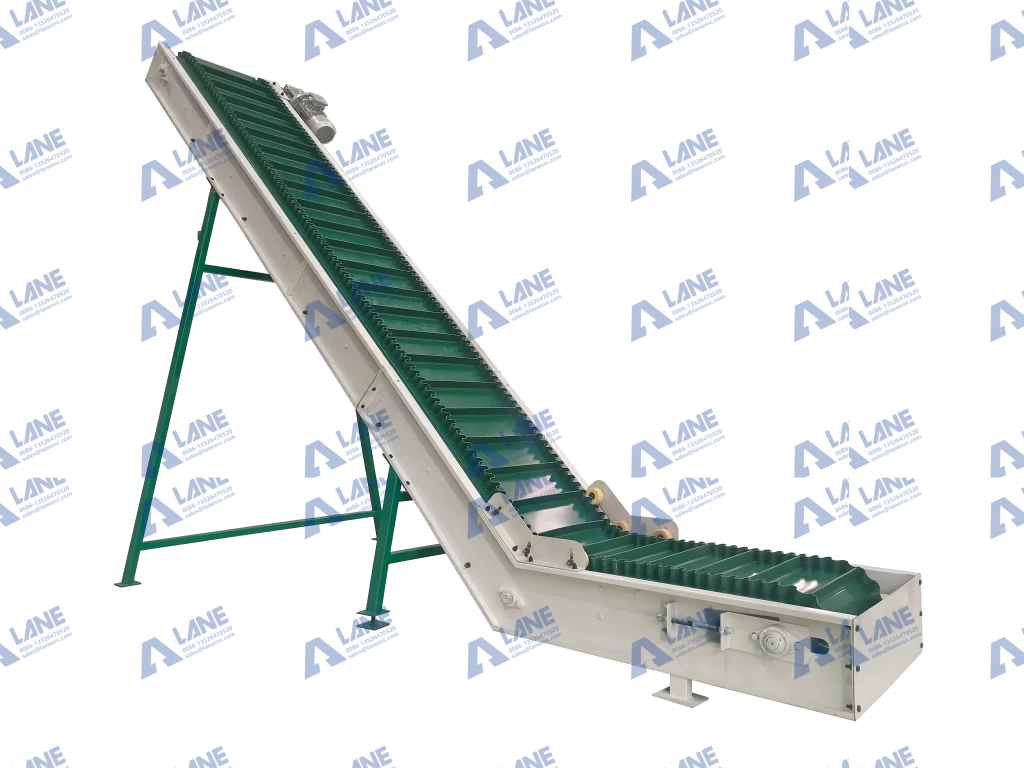
Belt conveyors, bucket elevators, screw conveyors, bins, and feeders move materials between process sections. Their capacity and layout should match the main production equipment.
Depending on storage and transportation requirements, the finishing section may also include a coating machine, weighing system, bagging machine, and bulk-loading equipment.
When planning DAP fertilizer manufacturing equipment, buyers should check whether these auxiliary machines are included in the quotation. Missing conveyors, transfer points, or storage bins can create additional costs and installation difficulties later.
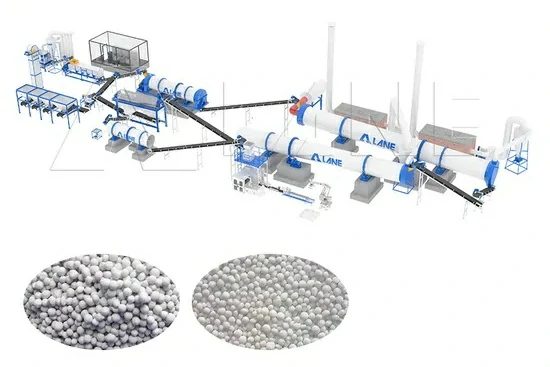
A DAP production line should be evaluated as a connected process rather than a collection of independent machines. The output from one section becomes the feed for the next, so equipment capacity and operating conditions must be coordinated.
A simplified process sequence is:
This is a general process description. Actual plant layouts may differ according to the selected technology and project requirements.
When evaluating DAP fertilizer manufacturing equipment, pay particular attention to the connections between sections. The granulator, dryer, cooler, and screening system should be designed around a consistent material flow.
For example, if the dryer has insufficient capacity, wet material may accumulate upstream. If the screen cannot classify the product effectively, the recycle load may increase and reduce the amount of saleable product. If conveyors are undersized, material transfer may interrupt otherwise stable operation.
The supplier should provide a process flow diagram and a clear description of each machine’s inlet, outlet, design capacity, and operating requirements. This makes it easier to identify bottlenecks before manufacturing begins.
The right equipment configuration depends on more than the target production capacity. Buyers should provide enough project information for the supplier to understand the actual process conditions.
Define the Required Production Capacity
Start by defining the required output in tons per hour or tons per year. If the plant will operate for a specified number of hours per day or days per year, include that information as well.
Be clear about whether the requested capacity refers to finished product output or the amount of material entering the process. These are not always the same because moisture removal, screening, and recycle flows affect the material balance.
A supplier should explain the design capacity of each major machine and identify which section determines the overall line capacity.
Confirm Raw Material Conditions
The properties of phosphoric acid and ammonia affect the reaction section and the rest of the process. Buyers should provide available information about acid concentration, impurity levels, ammonia supply conditions, and other materials included in the formulation.
If the project will use existing storage tanks, pumps, pipelines, or reaction equipment, provide their specifications. The supplier can then evaluate whether the existing facilities are compatible with the proposed machinery.
Specify the Finished Product Requirements
Before choosing DAP fertilizer manufacturing equipment, clarify the required product grade, particle-size distribution, moisture specification, bulk density if relevant, and packaging method.
For example, a plant producing standard granular DAP for bulk shipment may have different finishing and handling requirements from a facility supplying bagged fertilizer to regional distributors.
Product requirements should be written into the technical specification. Otherwise, different suppliers may prepare quotations based on different assumptions, making their proposals difficult to compare.
Check the Plant Layout and Utilities
Available floor space, building height, foundations, power supply, fuel, water, steam, and compressed air can all affect equipment selection.
For an existing plant, the available installation area and connection points may limit the possible arrangement. For a new project, the layout can be planned around process flow, maintenance access, material storage, and environmental control systems.
Finished DAP quality is influenced by the whole process. No single machine can guarantee the final result if upstream reaction or downstream handling is poorly controlled.
The reaction system affects slurry properties and the chemical conditions entering granulation. The ammoniator-granulator influences particle growth, size development, and granule formation. The dryer controls moisture removal, while the cooler helps stabilize product temperature before screening and storage.
The screening system also has a direct effect on finished product consistency. It separates particles outside the specified size range and returns them to the process for further treatment.
When comparing DAP fertilizer manufacturing equipment, ask the supplier which process variables will be monitored and how operators can adjust them. Useful control points may include:
The actual control limits should be established through process design and product testing. Buyers should avoid relying on a single generic temperature or moisture value without confirming that it applies to their specific process.
A well-designed production line reduces operating problems, but it cannot eliminate the need for process monitoring and maintenance. Several issues deserve attention during equipment selection.
Unstable chemical feeding: Fluctuating acid or ammonia feed can disturb reaction conditions. Check whether the proposed system includes suitable metering equipment, flow monitoring, and control valves.
Poor granule formation: Incorrect slurry properties, an unsuitable recycle rate, or unstable operation can affect granule growth. The supplier should explain how the reaction and granulation sections are coordinated.
High moisture after drying: If wet granules leave the dryer without reaching the required moisture specification, storage and handling problems may follow. Review the dryer design conditions and expected material characteristics.
Excessive fines or oversized particles: Poor screening performance or unsuitable granulation conditions can increase the recycle load. Confirm that the screen and crusher are matched to the expected material flow.
Dust and gas emissions: DAP production can generate ammonia, fluoride-containing gases, and particulate matter. The gas collection and treatment system should be designed around the actual emission sources.
A supplier should explain not only which machines are included but also what operating problems each section is designed to manage. This is an important part of evaluating DAP fertilizer manufacturing equipment before signing a purchase contract.
Environmental equipment is an essential part of a DAP project. It should be considered during process design, not added as an afterthought after the main machinery has been selected.
Typical systems may include:
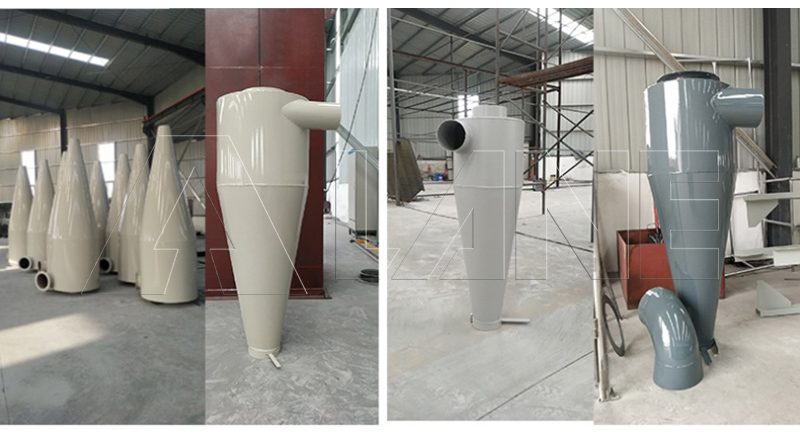
The exact configuration depends on the process, emission sources, site conditions, and applicable environmental permits. Reactor and ammoniator-granulator gases may require treatment for ammonia and other process emissions. Dryer, cooler, screening, and material-transfer exhaust streams may also require collection and treatment.
For U.S. projects, applicable federal, state, and local requirements should be confirmed with qualified environmental professionals. A machine supplier can provide equipment information, but the plant owner and project engineering team must verify the permitting and compliance requirements for the specific site.
The U.S. Environmental Protection Agency’s technical documentation identifies ammonia, particulate matter, and fluoride emissions as relevant concerns in ammonium phosphate production. Buyers can consult the EPA ammonium phosphate process and emissions reference when discussing environmental system requirements with their engineering team.
Comparing suppliers only by total quotation price can lead to an incomplete purchasing decision. Two proposals may use the same production-capacity figure but include different equipment, automation levels, materials of construction, installation services, or environmental systems.
A useful comparison should cover the following points.
Process understanding: Does the supplier understand the selected DAP production process, including reaction, ammoniation, granulation, drying, screening, and gas treatment?
Equipment scope: Does the quotation list each machine, its function, design capacity, material, motor power, and included accessories?
Engineering documents: Can the supplier provide a process flow diagram, equipment layout, foundation information, and utility requirements?
Manufacturing and inspection: Are equipment materials, manufacturing standards, inspection procedures, and acceptance conditions clearly stated?
Installation and commissioning: Does the proposal include installation guidance, commissioning support, operator training, or overseas service?
Spare parts and after-sales support: Are recommended spare parts, maintenance guidance, warranty terms, and response arrangements specified?
For additional background on project scope and quotations, buyers can review our DAP fertilizer production line price guide. It is also useful to examine the DAP fertilizer plant commissioning guide to understand why installation checks and commissioning responsibilities should be clarified before signing a contract.
When evaluating DAP fertilizer manufacturing equipment, request a written scope of supply. It should identify what the supplier provides, what the buyer must provide, and which items are excluded. This reduces the risk of unexpected costs during installation.
A detailed inquiry helps the supplier prepare a more realistic technical proposal. Before requesting a quotation, buyers should collect the following information:
| Information | What to Provide |
|---|---|
| Project location | Country, city, and site conditions |
| Required capacity | Tons per hour or tons per year |
| Raw materials | Acid concentration, ammonia supply, and available analysis |
| Product specifications | DAP grade, particle size, moisture, and packaging |
| Existing facilities | Available tanks, pumps, buildings, utilities, and equipment |
| Project scope | Complete plant, selected process sections, or equipment replacement |
| Environmental requirements | Applicable permits and known emission-control requirements |
| Service requirements | Installation, commissioning, training, and spare parts |
If some information is not yet available, state that clearly. A preliminary proposal can identify the data that still needs confirmation. However, final equipment sizing and pricing should not be based on assumptions that have not been checked.
The more complete the inquiry, the easier it is to compare quotations on the same technical basis. It also helps the supplier identify whether the project requires a complete production line, an upgrade to an existing facility, or only selected machines.
Before requesting a quotation for DAP fertilizer manufacturing equipment, buyers should also clarify the expected delivery scope. For example, does the project require equipment supply only, or should the supplier also provide engineering drawings, installation guidance, commissioning support, and operator training?
Selecting a DAP plant is a process-engineering decision as much as an equipment-purchasing decision. Reaction, granulation, drying, cooling, screening, material handling, and environmental systems must be considered as one coordinated production arrangement.
The right DAP fertilizer manufacturing equipment should match the project’s raw materials, target output, product specifications, site conditions, and environmental requirements. Buyers who prepare these details before requesting quotations can compare suppliers more accurately and reduce the risk of missing equipment or unsuitable configurations.
LANE Heavy Industry provides fertilizer machinery and production-line solutions. For a DAP project, buyers can share their target capacity, raw material information, product requirements, and project scope to discuss a suitable equipment configuration.
Copyright © Henan Lane Heavy Industry Machinery Technology Co., Ltd.
