
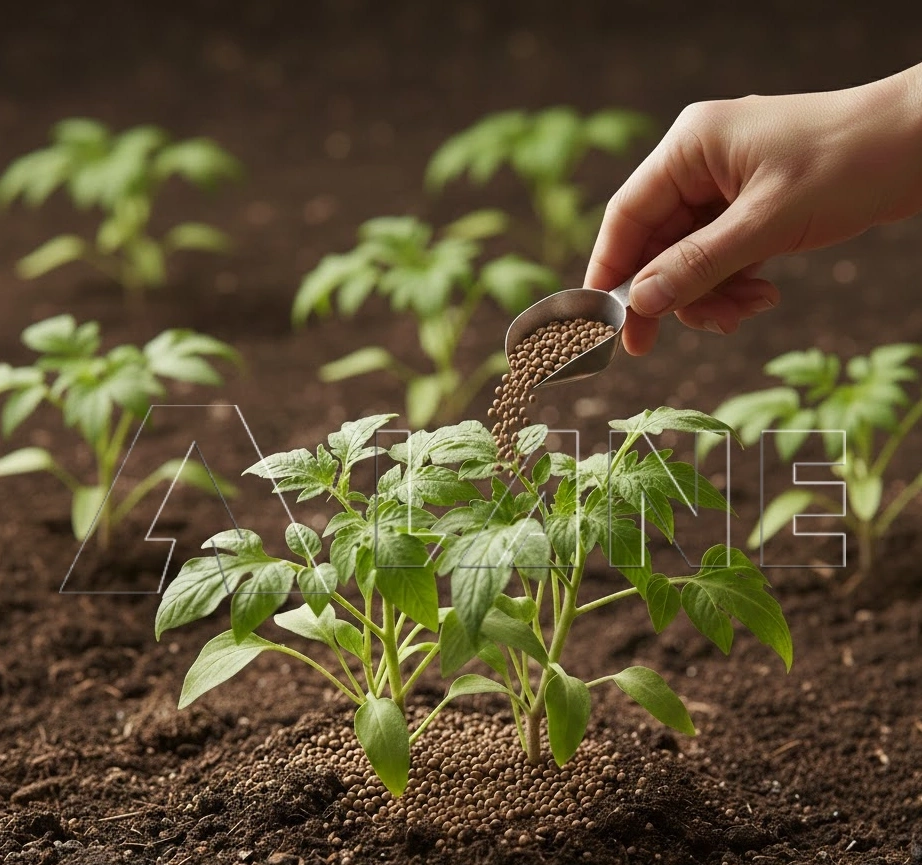
Growers in every season has to worry about feeding the crop without destroying the nutrient balance of the arable land. Phosphorus is a necessary nutrient for early root development and energy transfer of the crops. Monoammonium Phosphate (MAP) and Diammonium Phosphate (DAP) are the most used phosphorus fertilizer in the world and they both supply phosphorus and nitrogen in highly available forms. Understanding the MAP & DAP fertilizer soil pH effect is a key topic that every manufacturer and growers should know to maximize the efficiency and prevent any costly seedling injury.
The MAP & DAP fertilizer soil pH effect can unlock tightly bound nutrients or cause severe toxicity to vulnerable seeds and crops. This requires an understanding of the soil before applying any fertilizer. To help growers, fertilizer producers must eliminate every guesswork. To deliver a predictable reaction requires precision engineering long before the fertilizer dissolves into the soil.
This article explores how MAP and DAP affect soil pH, the differences between them and how Advance production line from LANE help manufacturer produce high quality MAP and DAP fertilizer.
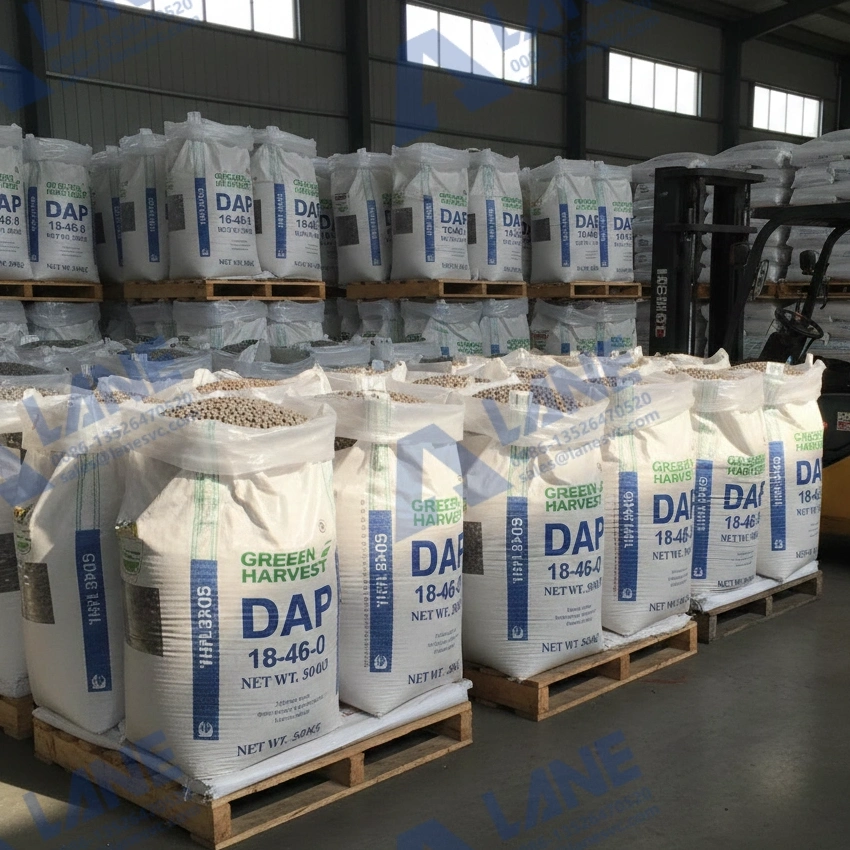
Before examining the MAP & DAP fertilizer soil pH effect, it is important to understand the chemical characteristics of MAP and DAP.
Monoammonium phosphate (MAP) has the chemical formula NHâ‚„Hâ‚‚POâ‚„ and contains 11% nitrogen and 52% available phosphate (Pâ‚‚Oâ‚…). It is produced by reacting phosphoric acid with ammonia under carefully controlled conditions. Due to its low ammonia content, MAP has an acidic reaction when dissolved in water.
Diammonium phosphate (DAP) has the chemical formula (NHâ‚„)â‚‚HPOâ‚„ and contains 18% nitrogen and 46% available phosphate (Pâ‚‚Oâ‚…). It is manufactured by a two-stage reaction process with larger amount of ammonia than is used for MAP production. This higher ammonia concentration gives DAP a more alkaline initial reaction after application.
The core difference lies in their molecular structures:
| Property | MAP (NHâ‚„Hâ‚‚POâ‚„) | DAP ((NHâ‚„)â‚‚HPOâ‚„) |
| Nutrient Grade | 11-52-0 (11% N, 52% Pâ‚‚Oâ‚…) | 18-46-0 (18% N, 46% Pâ‚‚Oâ‚…) |
| Ammonium Ions | 1 per phosphate | 2 per phosphate |
| Production | 1 mole ammonia + 1 mole phosphoric acid | 2 moles ammonia + 1 mole phosphoric acid |
MAP & DAP Fertilizer Soil pH Effect Explained
When granular fertilizers are applied to the soil, they absorb moisture and dissolve. They create a localized microsite zone of chemical activity. This changes the pH level of that microsite and it influence surrounding soils.
The Initial Dissolution Phase (Short-Term Effect)
When MAP fertilizer dissolves, the microsite become acidic and pH drops to around 3.5 to 4.1. This sharp increase in acidity occurs because the dihydrogen phosphate ion H₂PO₄� partially dissociates and releases free hydrogen ions H� directly into the soil.
NH₄H₂PO₄ → NH₄� + H₂PO₄�
H₂PO₄� ⇌ HPO₄²� + H�
When a DAP granule dissolves it triggers a strong alkaline reaction. It increases pH up to 7.5 to 8.5 (or higher). This temporary alkalinity happens because the monohydrogen phosphate ion HPO₄²� acts as a base, stripping hydrogen ions from the surrounding soil water and releasing hydroxyl ions
(NH₄)₂HPO₄ → 2NH₄� + HPO₄²�
HPO₄²� + H₂O ⇌ H₂PO₄� + OH�
Critical Risk with DAP:Â The high amount pH caused by DAP converts some nitrogen into free ammonia gas. If DAP is placed closed to seeds row, then the ammonia gas can cause seedling burn and killing the germinating crop. MAP, with its lower initial pH, minimizes this risk.
While in the MAP & DAP fertilizer soil pH effect they are placed opposite on the pH levels, both fertilizers exert acidifying effect on the soil on long term use. This caused by soil bacteria who convert the ammonium from the fertilizer into nitrate.
This process releases hydrogen ions H� into the soil and contribute to the long-term soil acidification. However, because DAP contains more nitrogen per molecule than MAP, it releases more hydrogen ions and has more long-term acidification effect on soil.
Comparing MAP and DAP in Different Soil Types
The MAP & DAP fertilizer soil pH effect also varies depending on the existing soil pH and the chemical reactions that occurs after fertilizer application. While both fertilizers supply readily available phosphorus, their behavior in the soil differs because of their unique chemical compositions.
| Soil Condition | Recommended Fertilizer | Reason |
| Alkaline (pH > 7.5) | MAP | Acidic zone solubilizes P, enhances micronutrients |
| Acidic (pH < 6.0) | DAP | Alkaline zone neutralizes acidity |
| Neutral (pH 6.5–7.0) | MAP (if near seed) | Lower ammonia toxicity risk |
| Broadcast on alkaline soil | MAP | Less N volatilization (0–20% savings) |
| Starter fertilizer for row crops | MAP | Higher P ratio, faster P uptake |
| Established crops needing N | DAP | Balanced N-P (18-46-0) |
| Sensitive crops (canola, soybean) | MAPÂ near seed | Lower germination damage risk |
Performance in Acidic Soils: In acidic soils, DAP provides an initial advantage after application. Because of its alkaline nature, it can reduce the effect of soil acidity and improve conditions for phosphorus availability. In soil with pH below 6.0, DAP enhances the early root access to nutrients. As a result, the MAP & DAP fertilizer soil pH effect often makes DAP a practical option for crops grown in moderately acidic conditions.
Performance in Neutral Soils:Â In natural soil where pH level ranges from 6.5 to 7.5, both MAP and DAP generally perform well. Under these conditions, fertilizer selection is based on factors such as crop nutrient requirements, nitrogen management strategies, fertilizer placement methods, and overall production costs.
Performance in Alkaline Soils: Alkaline soils present a greater challenge for phosphorus management because phosphorus can react with calcium and become less available to plants. In these conditions, MAP is more suitable because it produces mild acidic reaction around the granules. This localized acidification can improve phosphorus solubility and nutrient availability in the early stages of crop growth. The MAP & DAP fertilizer soil pH effect can have a substantial influence on phosphorus efficiency in alkaline soils, giving MAP an advantage over DAP.
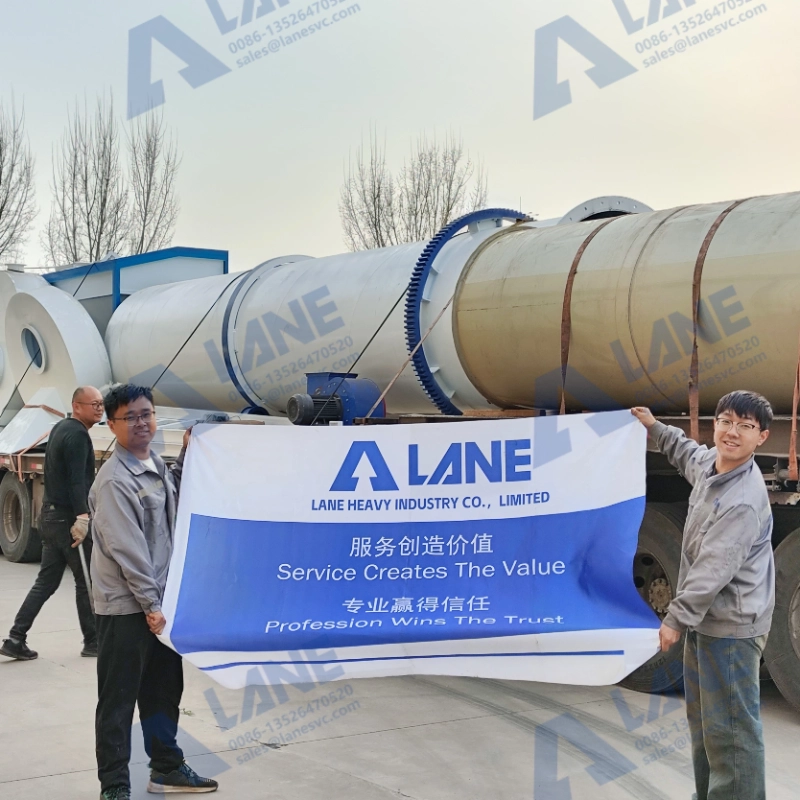
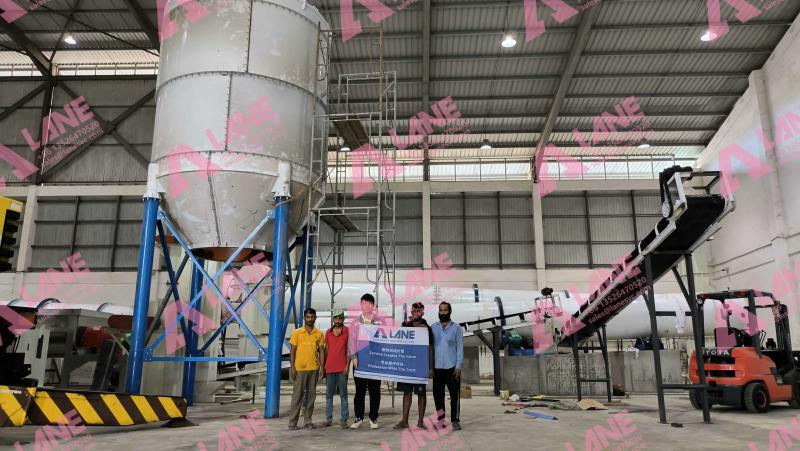
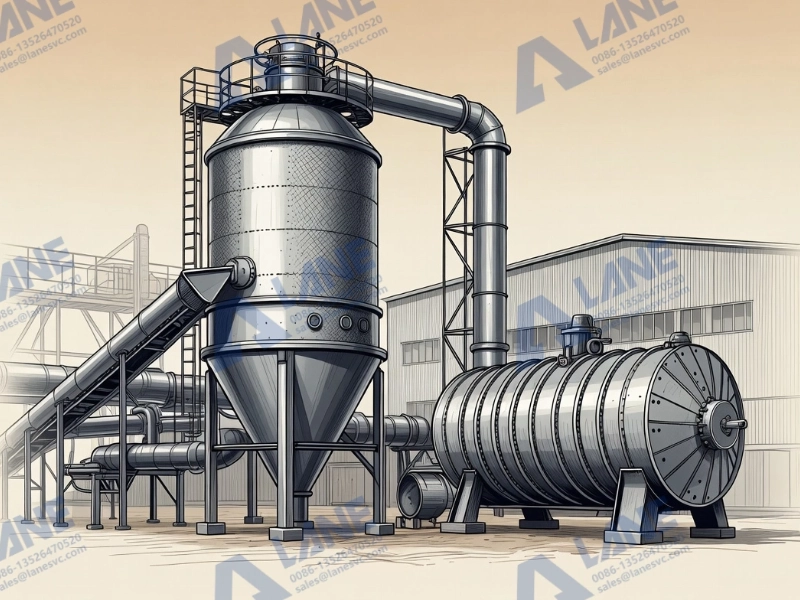
The consistent fertilizer quality helps predetermine the solution and usage of MAP & DAP fertilizer soil pH effect. Irregular granule size, poor nutrient distribution, or excessive solubility can lead to amplifying unpredictable pH swings. LANE Heavy Industry’s Machinery offers turnkey phosphate fertilizer production lines engineered for:
Controlled process along with automated production ensures the predicted pH effects manifest reliably in field conditions. These steps help maximizing agronomic benefits while minimizing risks.
Q1: What is the primary difference in pH effect between MAP and DAP?
MAP creates an acidic zone (pH 3.5–4.2) around granules, while DAP creates an alkaline zone (pH 7.8–8.2). This determines which soil types each fertilizer benefits.
Q2: Which fertilizer is better for high-pH (alkaline) soils?
MAPÂ is superior for alkaline soils (pH > 7.5) because its acidity solubilizes phosphorus and improves micronutrient availability.
Q3: Can DAP damage seeds or young plants?
Yes. DAP has 300% higher free ammonia release than MAP, causing seed germination problems and seedling injury, especially in sensitive crops like canola and soybean.
Q4: Does MAP or DAP provide more plant-available phosphorus?
MAP theoretically offers more available P because its acidic zone favors the H₂PO₄� form, which plants absorb faster than HPO₄²�.
For more details, please feel free to contact us.
Henan Lane Heavy Industry Machinery Technology Co., Ltd.
Email: sales@lanesvc.com
Contact number: +86 13526470520
Whatsapp: +86 13526470520
Copyright © Henan Lane Heavy Industry Machinery Technology Co., Ltd.
