
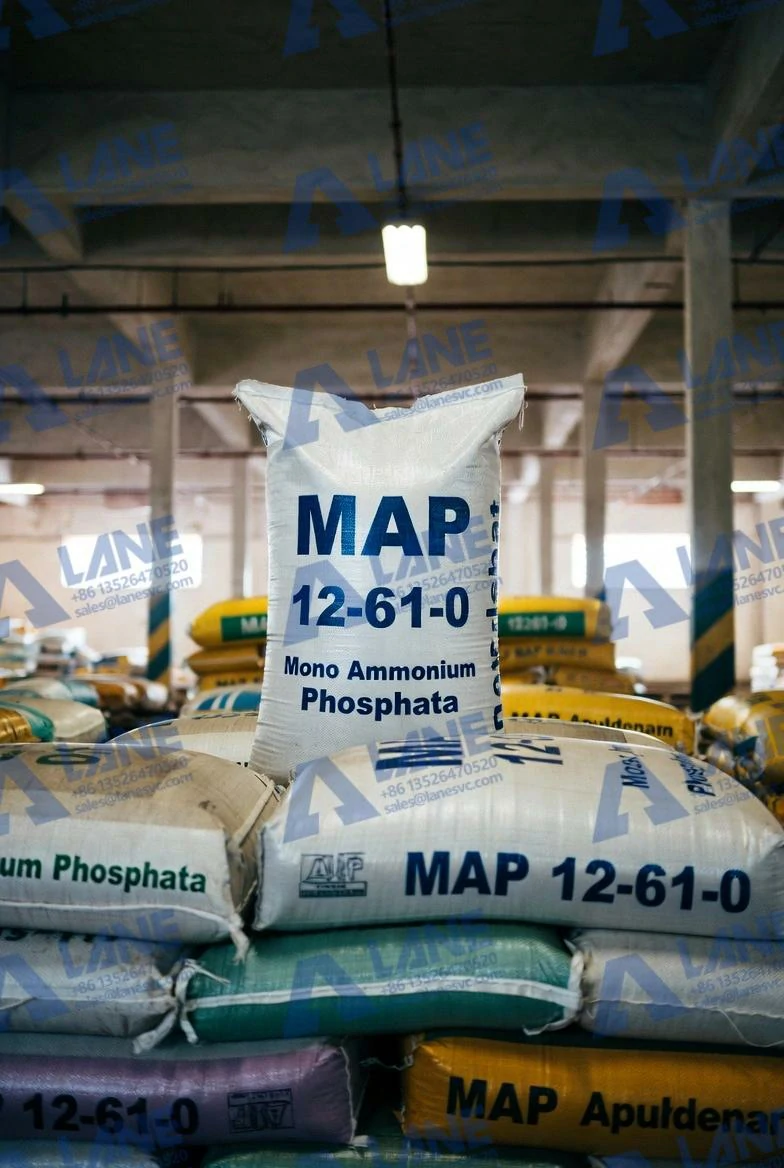
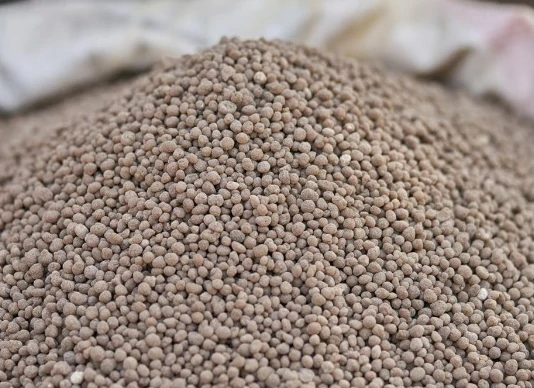
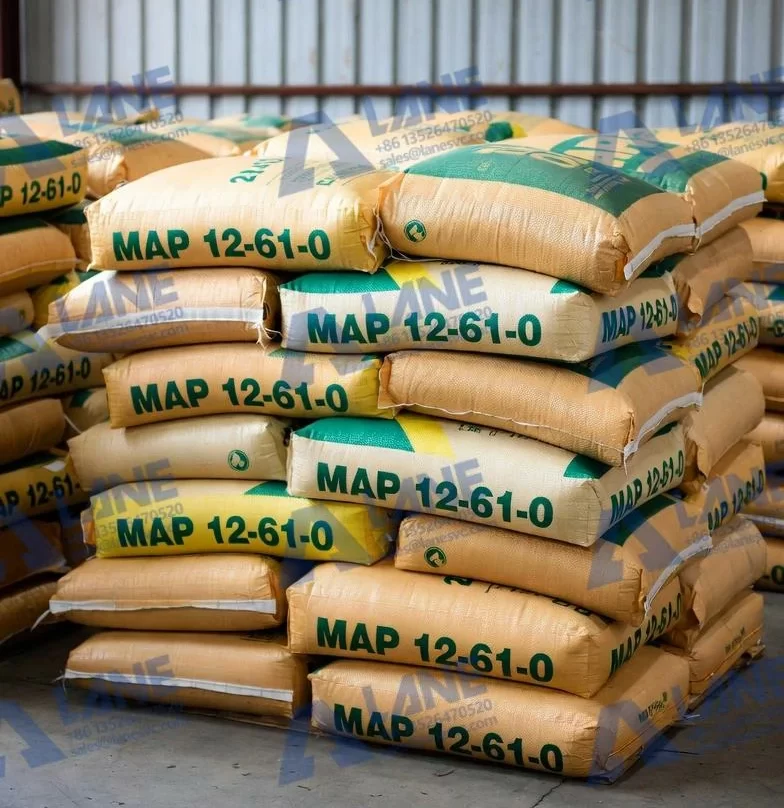
The demand for monoammonium phosphate (MAP) fertilizer remains steadily high across agricultural markets. MAP delivers high-concentration nitrogen and phosphorus nutrients essential for crop germination, root development, and early-stage growth. However, to produce high-quality Monoammonium Phosphate (MAP), producers will need the right MAP fertilizer plant machine. Choosing a reliable high-performance production machine directly determines product quality, production efficiency, operational cost, and long-term profitability. But before you make capital investment into a production project, you need to fully understand the technical logic, production flow, equipment advantages, investment planning, and after-sales support of the MAP fertilizer machine.
LANE Heavy Industry Machinery has been delivering integrated MAP fertilizer production lines for over two decades. This article comprehensively analyzes all key points for your reference, with a detailed introduction on LANE’s mature MAP fertilizer plant machine system.
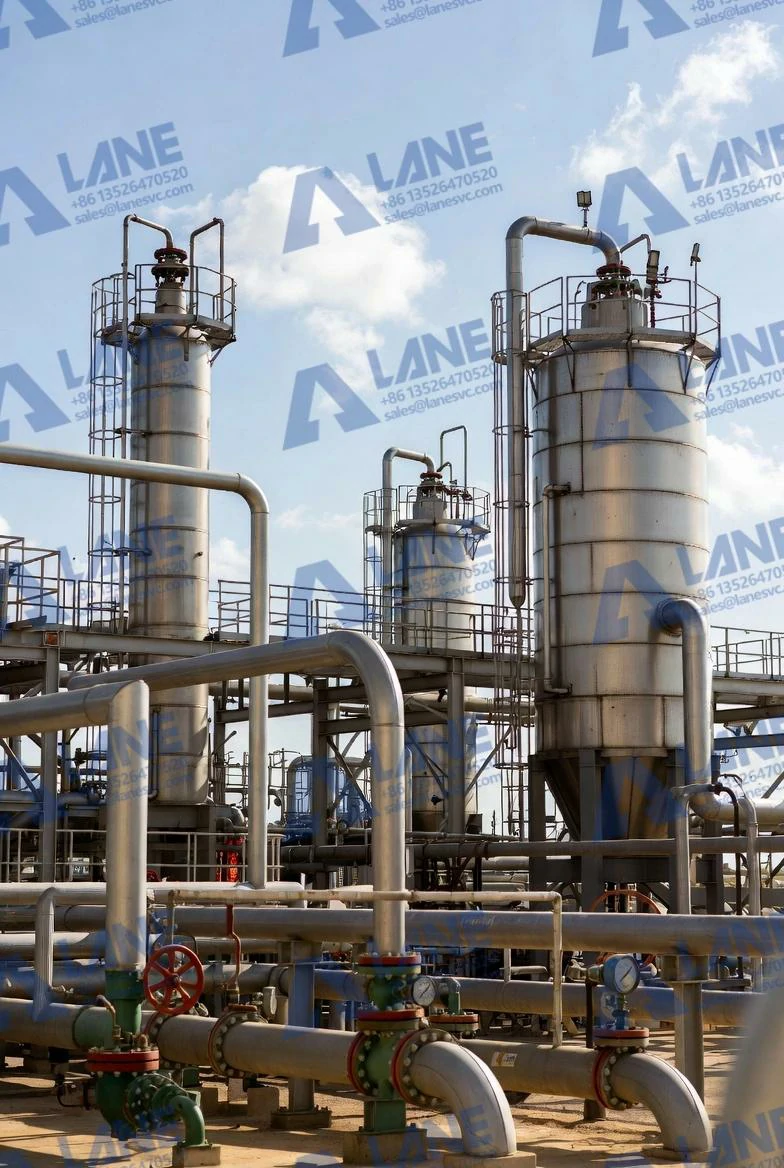
LANE Heavy Industry Machinery Technology Co., Ltd. is a recognized leader in fertilizer equipment manufacturing. With over 20 years of experience in the heavy machinery industry, we deliver complete, fully automated MAP fertilizer plant machine systems that are fully synchronized from raw material handling to final bagging. Our MAP fertilizer production plant equipment is built around efficiency and sustainability. For instance, LANE’s granulation system can increase production yields by up to 25% through automation and precision upgrades. A high-performance MAP fertilizer plant machine from LANE ensures uniform granule size for better fertilizer application in the field.
Several key features make LANE’s MAP fertilizer plant a top choice for investors:
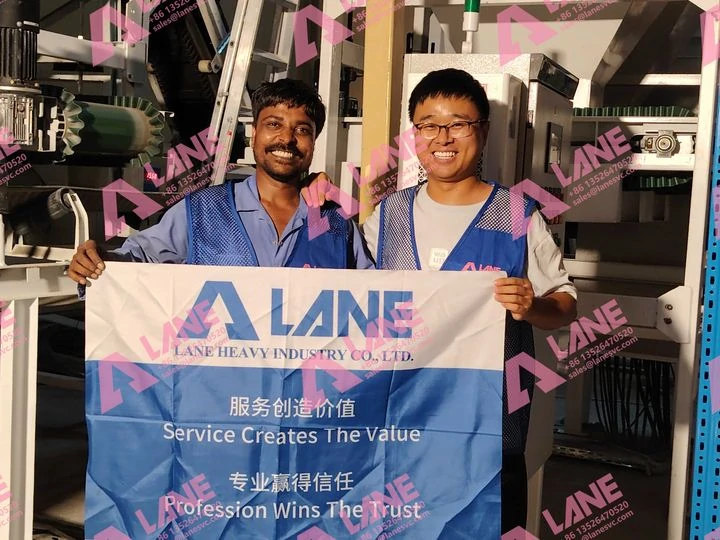
To understand what makes a MAP fertilizer production line effective, you need to look at the production system and the machines that LANE Heavy Industry provides. This production line consists of several machines which work with each other to create premium quality granules.
Precision Crushing & Batching:Â Precision starts with the raw materials. The process begins with dynamic batching scales and cage crushers that weigh and pulverize phosphate rock into a fine, consistent powder. The quality of your raw material truly determines the efficiency of your MAP fertilizer plant machine. LANE’s automated batching systems ensure that the phosphoric acid and ammonia (or pre-solid materials) are measured with 99% accuracy.
Neutralization Reaction: Ammonia reacts with phosphoric acid in a reactor to form a slurry of monoammonium phosphate. LANE’s MAP fertilizer plant uses a jacketed reactor with precise temperature and pH control to optimize this exothermic reaction. Our reactor maintains a temperature of 60–80°C and a pH level of 4.5–5.5 to prevent the formation of unwanted byproducts like diammonium phosphate (DAP) or free phosphoric acid. The reactor is equipped with a high-efficiency agitator to ensure thorough mixing of the two reactants, promoting complete reaction and uniform slurry consistency, while a heat exchange system dissipates the excess heat generated during the reaction to keep the process stable.
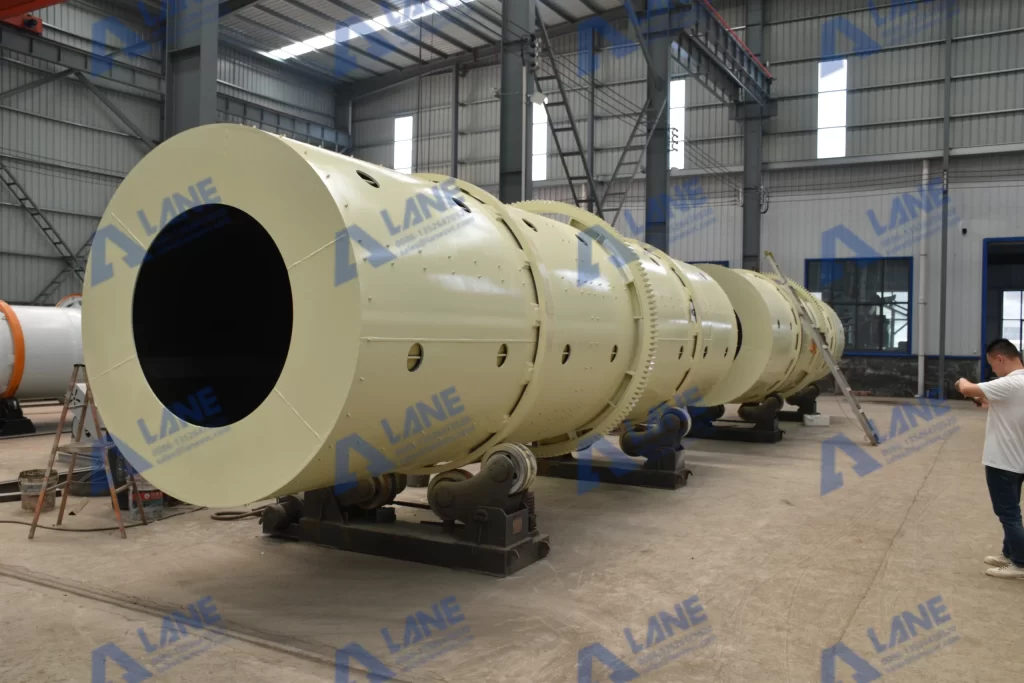
High-Efficiency Granulation:Â This is the heart of the MAP fertilizer plant. LANE deploys advanced rotary drum granulators where centrifugal force rolls the slurry into dense, spherical pellets. The technology for the rotary drum granulator is highly adjustable, allowing you to change the drum’s angle and rotation speed to produce granules of varying sizes for different market needs.
Drying & Cooling:Â After granulation, the wet pellets enter a rotary dryer that uses heat from a heat source to dry the granules and make them ready for storage. The ambient-air rotary cooler then immediately stabilizes the pellets, ensuring your granules won’t crack or clump in storage.
Screening, Coating, & Smart Packaging:Â To maintain professional standards, the machine includes a rotary screening drum to filter out off-spec particles. The off-spec particles are sent to a crusher and recycled back into the production line. The coating machine applies various coatings and sends the granules to the automatic packaging machine which precisely weighs and seals the finished product, minimizing labor costs and human error.
Investment Considerations for a MAP Fertilizer Plant Machine
Before purchasing a MAP fertilizer plant machine, weigh these critical factors:
The success of a fertilizer enterprise depends entirely on reliable equipment, output consistency, and operational efficiency. Investing in a MAP fertilizer plant is a strategic decision that requires careful consideration of capacity, quality, compliance, cost, and support. A MAP fertilizer plant machine from LANE Heavy Industry delivers on all these fronts. By choosing a fully integrated automated production system built by an industry leader, you protect yourself from the hidden costs of frequent breakdowns and poor-quality pellets. Remember to focus on the long-term reliability of the MAP fertilizer plant machine rather than just the upfront cost.
With its advanced technology, durable construction, environmental compliance, and comprehensive after-sales support, LANE’s MAP fertilizer plant is the ideal choice for anyone looking to enter or expand in the MAP fertilizer production industry. Whether you are upgrading an outdated facility or building a new greenfield plant, the knowledge you’ve gathered here ensures that your investment in a MAP fertilizer plant will yield healthy crops and healthy profits for years to come.
Q1: What is the typical lifespan of a LANE Heavy Industry MAP fertilizer plant machine?
With proper maintenance and use of LANE’s recommended spare parts, a high-quality MAP fertilizer plant can operate efficiently for 10 to 15 years.
Q2: Can the MAP fertilizer plant machine be used to produce other types of fertilizer?
Yes, LANE’s production lines are versatile. Most machine configurations can be adjusted to produce DAP (Diammonium Phosphate) or various NPK compound fertilizers with minor recalibrations.
Q3: How much space is required to install a complete MAP fertilizer plant?
Space requirements depend on capacity. A standard 5-ton-per-hour MAP fertilizer machine line typically requires approximately 1,500 to 2,000 square meters for the machinery, storage, and handling areas.
Q4: Is technical support available for the MAP fertilizer plant after purchase?
LANE Heavy Industry provides comprehensive after-sales support, including remote diagnostics and on-site maintenance for your MAP fertilizer machine to minimize downtime.
Q5: Does the MAP fertilizer plant meet environmental regulations?
LANE’s systems include dust collectors and gas scrubbers, ensuring that your MAP fertilizer plant operates within modern environmental and emission standards.
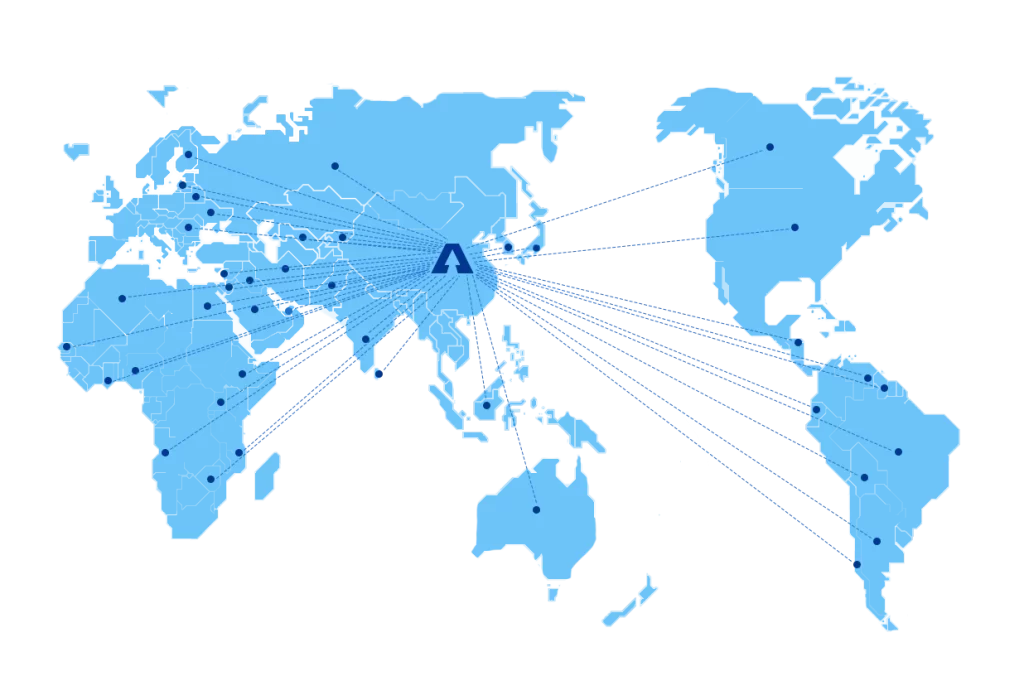
For more details, please feel free to contact us.
Henan Lane Heavy Industry Machinery Technology Co., Ltd.
Email: sales@lanesvc.com
Contact number: +86 13526470520
Whatsapp: +86 13526470520
Copyright © Henan Lane Heavy Industry Machinery Technology Co., Ltd.
