
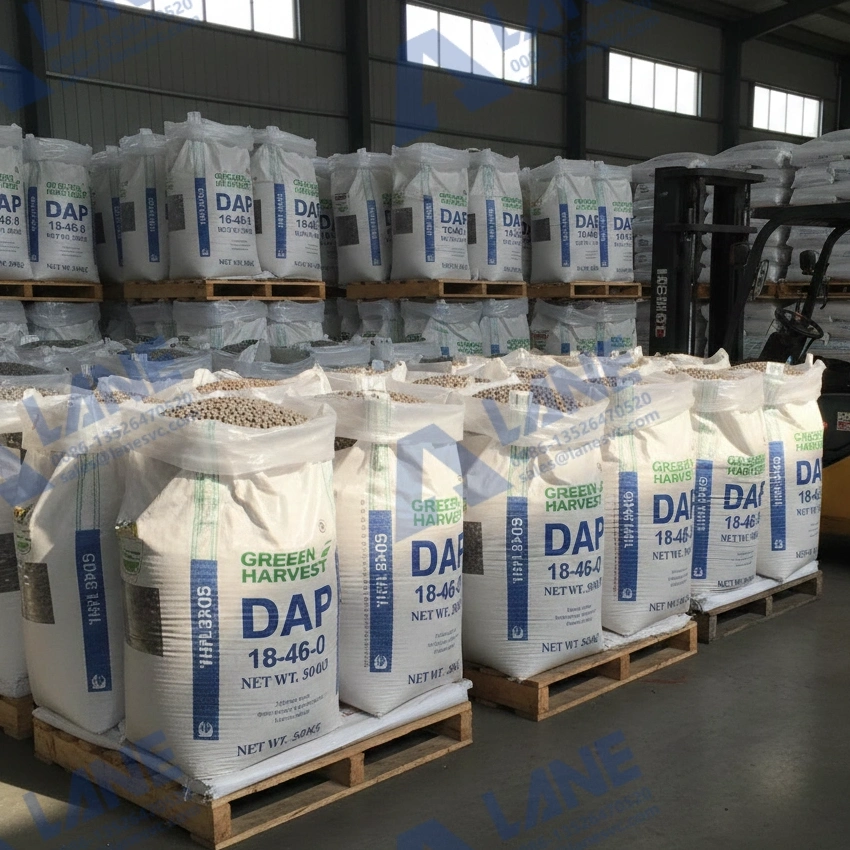
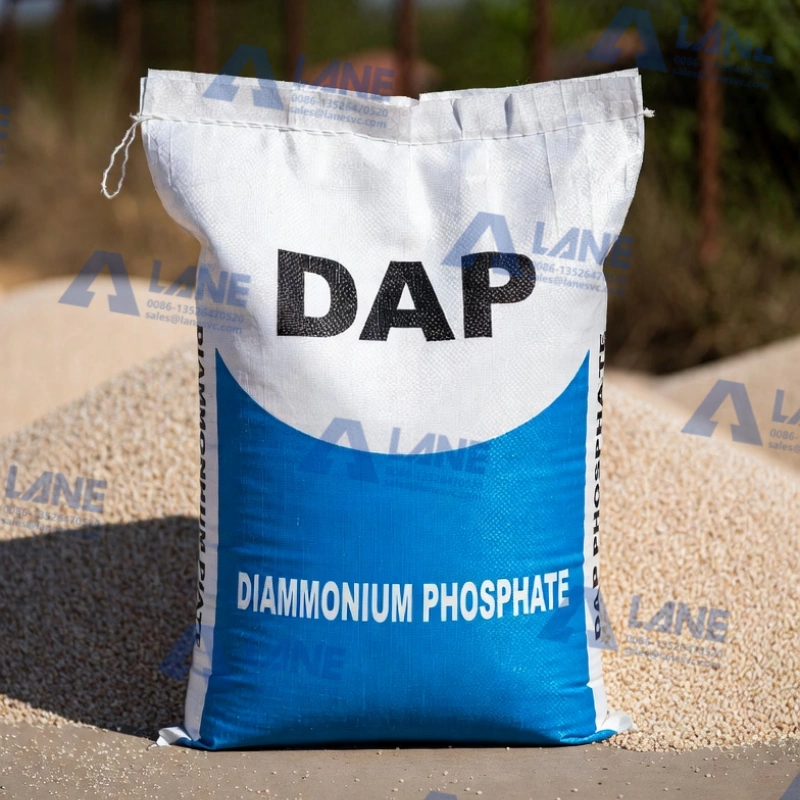
Diammonium Phosphate (DAP, 18-46-0.) is the most used commercial phosphate fertilizer in the world. This fertilizer contains concentrated Nitrogen (18%) and Phosphorus (46%). It promotes healthy root development, flowering, fruits quality, and crop yields. Investors and manufacturers who wants to enter this market without expending fortunes, a medium scale DAP production line with a capacity of 50,000 tons per year offers an efficient and profitable solution. It offers an ideal entry point where the manufacturer can supply to the domestic market while test the international export business.
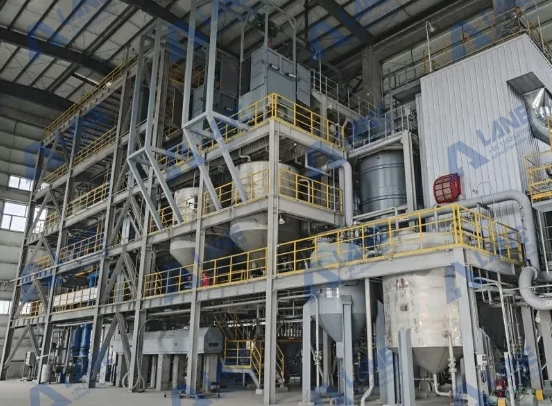
A medium scale DAP production line with 50,000 tons per annum (TPA) requires machinery that can endure aggressive chemical corrosion and high thermal stress. LANE Heavy Industry has engineered a custom solution which combines proven engineering, operational efficiency, and cost-effective scalability for the manufacturer. This article provides a technical guide to the process engineering, equipment selection, and operational mechanics necessary to run a medium scale DAP production line.
A medium scale DAP production line is a fertilizer manufacturing system designed to produce diammonium phosphate granules through chemical reaction, granulation, drying, cooling, screening, and packaging processes. This type of production system is made for national market. It has higher production capacity and markup compared to small-scale production system. A 50,000 TPA DAP fertilizer production line from LANE offer fully automatic system which eliminates human error.
A 50,000 TPA production capacity equals to 6-8 ton per hour depending on operating hours and plant configuration. This production line is ideal for:
LANE Heavy Industry designs and engineers customized DAP fertilizer production equipment’s based on raw materials, factory layout, environmental requirements, and investments.
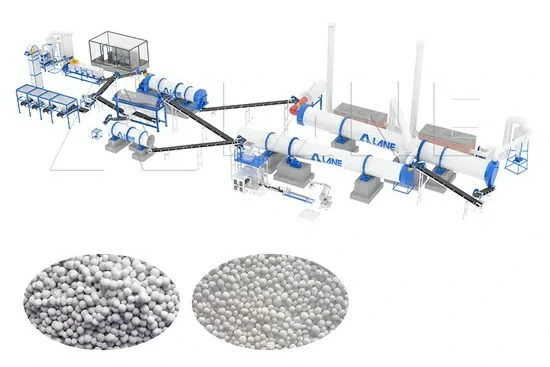
The manufacturing process in a medium scale DAP production line relies on a controlled, exothermic neutralization reaction combined with rotary drum granulation system.
| Process Phase | Engineering Mechanics | LANE Dedicated Equipment |
| 1. Raw Material Dosing | Fully automatic gravimetric control of solid raw materials, mass flow ratios, and storage. | LANE Multi-Channel Dynamic Batching System |
| 2. Acidulation & Reaction | Exothermic neutralization of liquid phosphoric acid with liquid ammonia. | LANE Pre-Neutralizer Tank / Pipe Reactor System |
| 3. Granulation | The slurry is granulated with rotary drum granulator which does continuous crystal agglomeration. | LANE Heavy-Duty Rotary Drum Granulator |
| 4. Thermal Conditioning | Moisture reduction to below 1.5% via heat exchange, followed by counter-current cooling. | LANE Rotary Dryer & Rotary Cooler Units |
| 5. Mechanical Classification | Double-deck vibrating screener is used to segregate on-size granules from oversize chunks and undersize fines. | LANE Industrial Rotary Screening Machine |
| 6. Surface Finishing | Using rotary coating machine, we apply anti-caking oils and inert dusts to preserve particle integrity during storage and transit. | LANE Rotary Coating Machine |
LANE Heavy Industry’s DAP production system integrates seven critical stages, each supported by specialized machinery meeting ISO 9001 and CE quality standards.
This is the core stage of the medium scale DAP production line. In this process, ammonia and phosphoric acid are reacted under controlled conditions. This process form ammonium phosphate slurry. To producer diammonium phosphate fertilizer, the nitrogen-to-phosphorus molar ratio (N) is first carefully maintained between 1.8 and 2.0. This ensures stable nutrient content, reaction efficiency, and final product quality.
Liquid phosphoric acid is introduced together with ammonia into a pre-neutralizer tank. LANE reaction system is equipped with temperature and pressure control systems for controlled reaction. The chemical reaction proceeds according to the following thermodynamic equations:
NH3 +H3PO4 → NH4H2PO4 (MAP Reaction, highly exothermic)
NH3 +NH4H2PO4→(NH), HPO4 (DAP Conversion Phase)
The first reaction forms monoammonium phosphate (MAP), after that additional ammonia is introduced to convert it into diammonium phosphate (DAP). The temperature stability and ammonia feeding accuracy are critical in this stage for maintaining product consistency and preventing material losses.
This results in a concentrated ammonium phosphate slurry which contains 15% to 20% moisture. It is transferred through steam-jacketed high-pressure pipelines into the granulation section of the medium scale DAP production line.
The core of the granulation section of the medium scale DAP production line, is rotary drum granulator. This stage allows granules through continuous rolling and spraying. Proper drum engineering ensures uniform particle size, stable moisture content, and minimal downtime.
After granulation, the wet particles enter the rotary dryer where hot air is introduced. This removes moistures safely to <2% without damaging the nutrient value of the granules. LANE use biomass stove or coal furnace or gas stove for drying process.
The cooling stage stabilizes the granules before screening. The air circulation reduces temperature rapidly. It also prevents caking during storage and transportation. This stage is very important for tropical climates with high humidity
This is the quality control stage of the granulation production system. LANE uses rotary screening machine or Vibrating screener to classifies granules into oversized particles, undersized particles, and on-size granules. Oversized and undersized particles are crushed and moved to the granulator, while the on-size granules are procced to the coating and packaging stage. This closed-loop system ensures uniform, medium-sized particles reach the market.
The on-size granules are applied with control release oils or anti-caking agents to maintain free-flowing properties. After the coating stage the granules are send to the packaging stage where a fully automatic packaging systems weigh, fill, sew, and palletize bags for distribution.
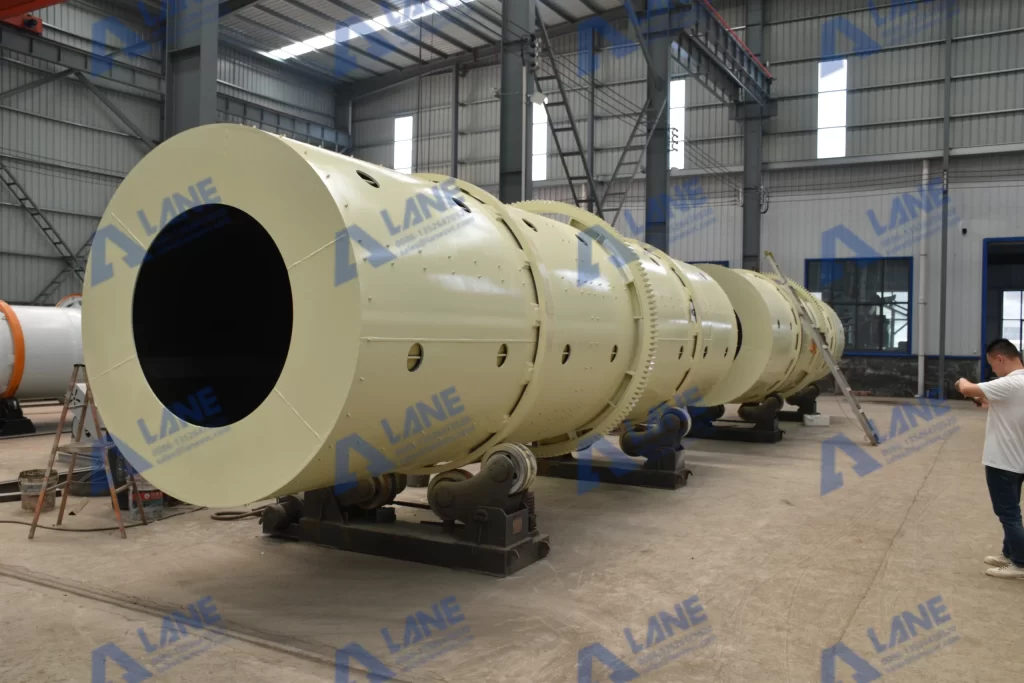
A 50,000 TPA medium scale DAP production line delivers compelling advantages for producers and manufacturers.
High Production Efficiency:Â The production line is fully automated which means less human interaction. This reduces manual labor while ensuring the continuous operation and stable output.
Stable Fertilizer Quality:Â The reaction and process control improves nutrient consistency, granule strength, and product appearance.
Lower Operating Costs: LANE uses smart reaction and granulation process which reduces energy usage. Our recycling system also reduces raw material waste.
Flexible Factory Layout:Â LANE Heavy Industry provides complete turnkey production line which also includes customized plant design solution for different plant size and location.
Strong Market Demand:Â DAP fertilizer is one of the most used fertilizers in the world. It is used in grain, vegetables, fruit, and greenhouse crops worldwide.
Q1: What is the typical investment cost for a 50,000 TPA DAP production line?
A: Capital expenditure varies by region and customization, but a 50,000 TPA medium scale DAP production line typically requires 40–60% less investment than large-scale plants producing 500,000+ TPA.
Q2: How long does installation take?
A: With LANE’s on-site engineering support, installation and commissioning typically take 3–6 months from equipment arrival to full production.
Q3: What raw materials are required?
A: The primary inputs are phosphoric acid (typically 52–54% P₂O₅) and liquid ammonia. Recycled fine and oversized granules are also returned to the process.
Q4: Can this line produce other fertilizers?
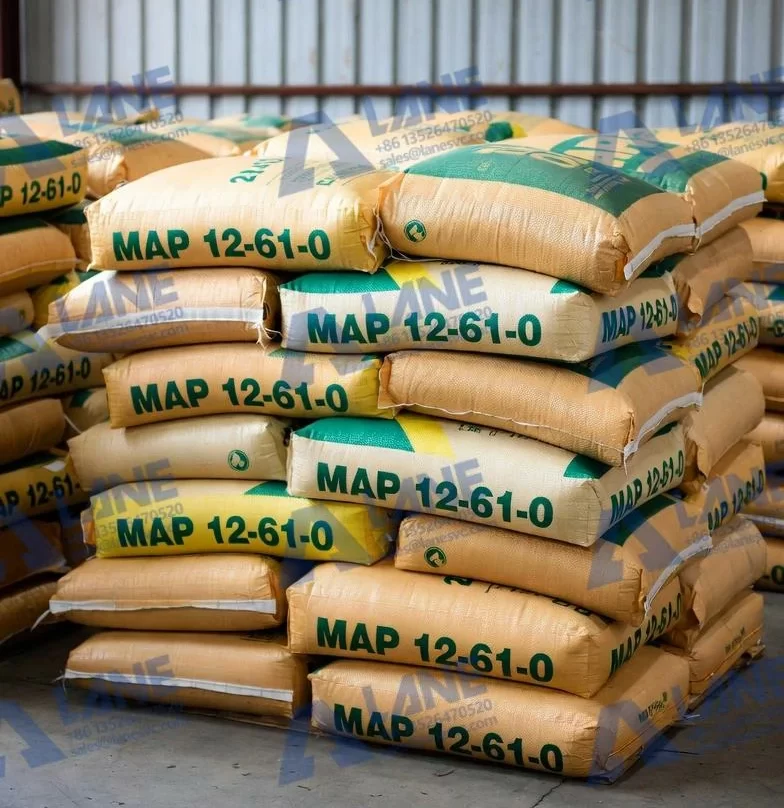
A: Yes. With minor adjustments, the equipment can produce MAP (monoammonium phosphate) and NPK compound fertilizers.
For more details, please feel free to contact us.
Henan Lane Heavy Industry Machinery Technology Co., Ltd.
Email: sales@lanesvc.com
Contact number: +86 13526470520
Whatsapp: +86 13526470520
Copyright © Henan Lane Heavy Industry Machinery Technology Co., Ltd.
