
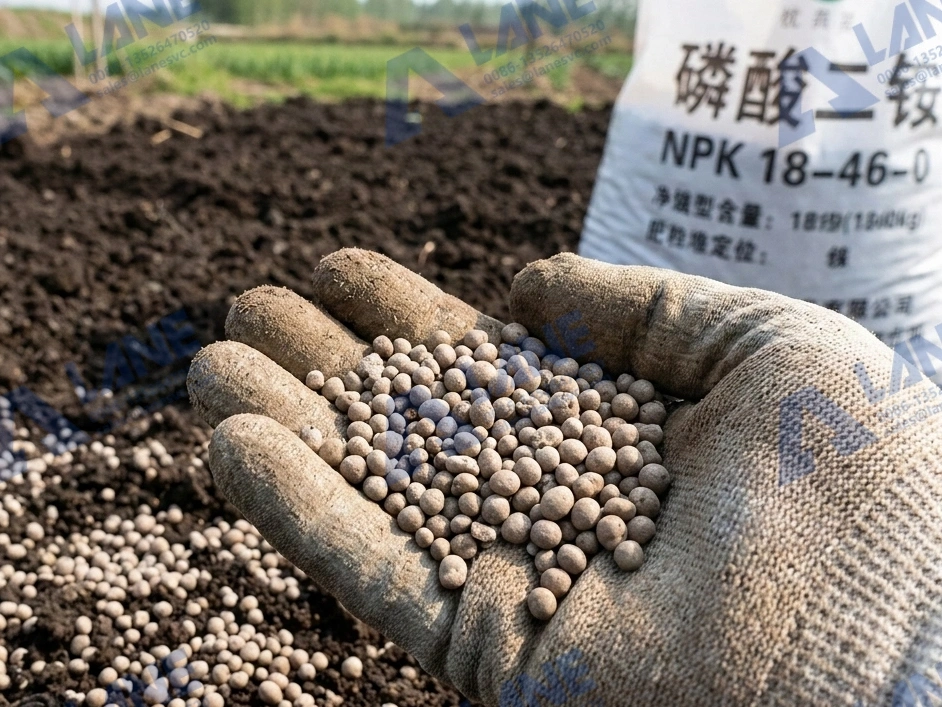
Phosphorus is one of the main nutrients for plant growth and phosphate fertilizers are backbone of modern agriculture. Among the most used phosphate fertilizers are Monoammonium phosphate and Diammonium phosphate. People who is new to fertilizer industry, Monoammonium Phosphate and Diammonium Phosphate look like interchangeable fertilizer as they both provide nitrogen and phosphorus, however they both have two entirely different chemical profile. They are made for solving different thermodynamic challenges. Failing to recognize the chemical gaps between Monoammonium phosphate and Diammonium phosphate can result in damaged crops and failed harvest.
For fertilizer producer and farmers, understanding the hidden difference of the fertilizer is critical. It dictates reactor ratios, granulation strategies, and the selection of machinery. This article explores the technical difference between MAP and DAP and how LANE Heavy Industry’s Machinery enables precise, efficient production lines for both.
The most noticeable difference between Monoammonium phosphate and Diammonium phosphate lies in their chemical formulas and ammonia to phosphoric acid ratios during production.
| Property | MAP (Monoammonium Phosphate) | DAP (Diammonium Phosphate) |
| Chemical Formula | NHâ‚„Hâ‚‚POâ‚„ | (NHâ‚„)â‚‚HPOâ‚„ |
| Nitrogen Content | 10-11% N | 18% N |
| Phosphorus (Pâ‚‚Oâ‚…) | 50-52% Pâ‚‚Oâ‚… | 46% Pâ‚‚Oâ‚… |
| N:P Ratio | 1:(4-5) | Close to 1:2 |
| Production Ratio (NH₃:H₃PO₄) | 0.6 in neutralizer | 1.4 in neutralizer |
| Saturated Solution pH | 3.5 – 4.2 (Acidic) | 7.8 – 8.5 (Alkaline) |
| Critical Relative Humidity (at 30°C) | 75% – 79% (More stable) | 70% – 74% (More hygroscopic) |
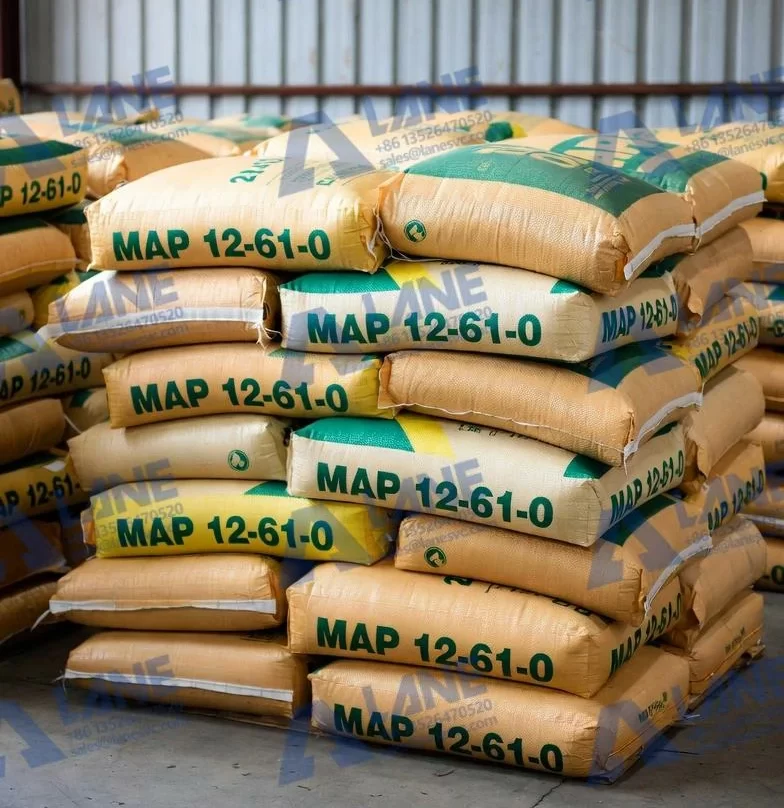
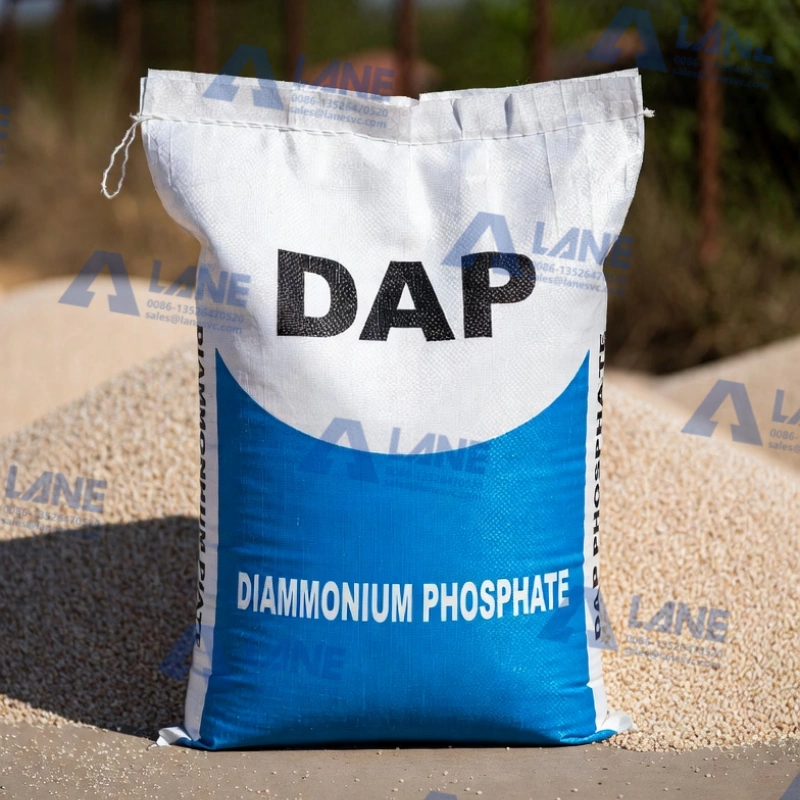
MAP contains one ammonium ion per phosphate molecule while DAP contains two. This structural difference directly determines the behavior and nutrient profile of both fertilizers. MAP has more phosphorus content and lower nitrogen and DAP has higher nitrogen and lower phosphorus compared to MAP. This fundamental difference means DAP is easier for crops to absorb while MAP is superior for phosphorus specific starter fertilizer.
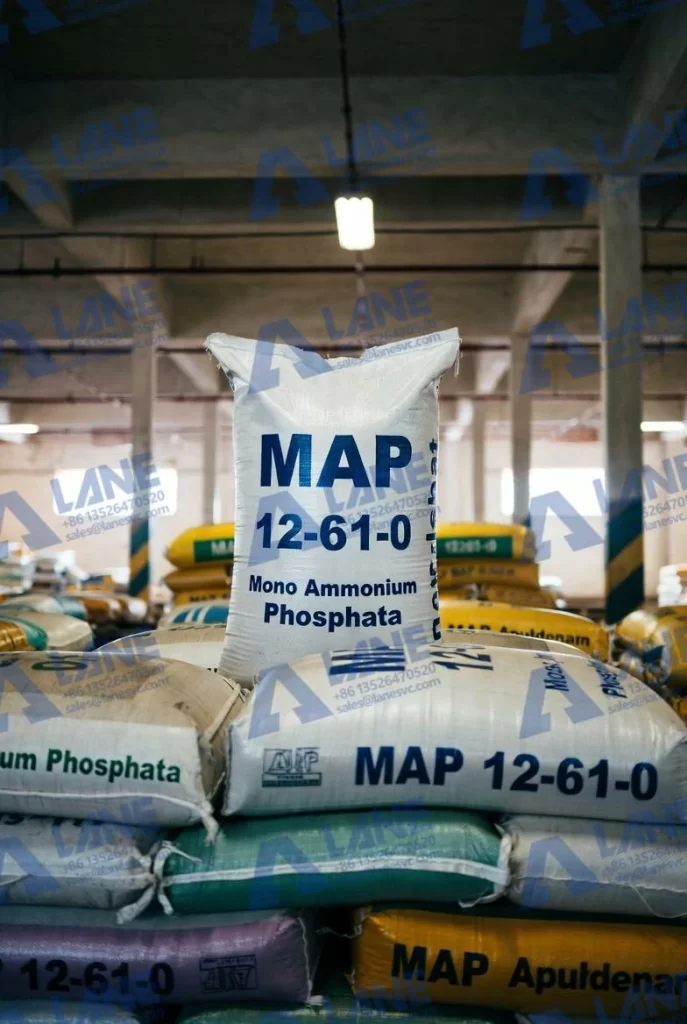
The most critical difference between Monoammonium phosphate and Diammonium phosphate is the soil pH reaction upon dissolution.
For investors that means, soil type is a huge factor when manufacturing the fertilizer based on a specific region. A turnkey production plant in an alkaline region like US Midwest may favor MAP, while acidic regions like Southeast Asia or parts of South America demand DAP.
Crop Suitability and Reaction
Crops solubility is also a big factor when detraining between Monoammonium phosphate and Diammonium phosphate.
Diammonium phosphate is commonly used for major field crops such as corn, wheat, rice, soybeans, and cotton. The additional nitrogen helps support rapid vegetative development during early growth period.
Other ammonium phosphate products are frequently preferred for vegetables, fruit crops, greenhouse production, and seedling applications.
Investors and agribusiness who wants to produce Monoammonium phosphate and Diammonium phosphate, they must deal with few operational challenges.
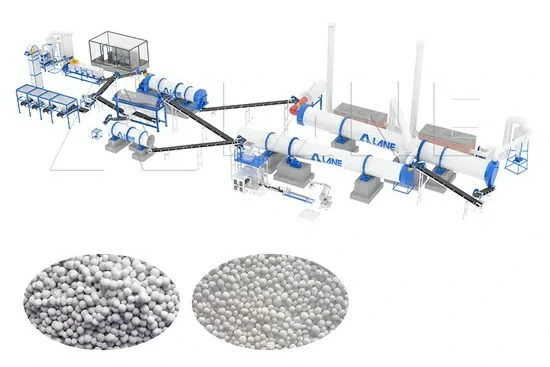
When you invest in a fertilizer production line for Monoammonium phosphate and diammonium phosphate from LANE Heavy Industry, you are buying the machinery to master those hidden differences and deliver consistent quality to farmers.
Raw Material Batching & Grinding: The first step is to crush the phosphate powder to fine powder before it can enter the reactor for acidification.
Phosphoric Acid Production:Â The powder goes through the acidification reactor and filtration process to create super-phosphoric acid.
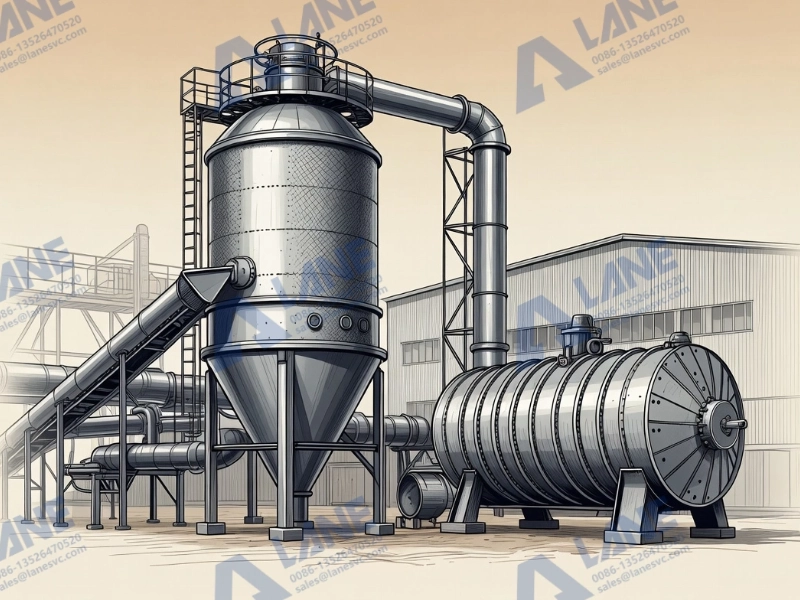
Pipe Reactor & Ammoniator-Granulator: The heart of the MAP/DAP line is the reactors. Liquid ammonia and phosphoric acid react under precise stoichiometric control inside a neutralizer reactor. After reaction process, the melted slurry is transferred to the granulator where the drum granulator forms uniform granules. LANE’s advanced PLC system monitors pH, temperature, and ammonia slip in real time, automatically adjusting feed rates to maintain the target N:P ratio.
Drying and Cooling: After granulation the wet granules pass through a rotary dryer fueled by gas, pellet, or coal. After drying the granules are transferred to a counter-current cooler. This step locks in crystal structure and ensure low moisture below 1.5% and preserves the hidden micro-zone pH characteristics of the final product.
Screening, Crushing, and Coating:Â The double deck vibrating screen separate on-size granules from over/undersize granules. Over/undersize returns to the crusher and recycled back to the granulator. The granules are than sent to the coating machine for coating with oil, cay, or specialty agents which enhance the fertilizer.
Dust Collection and Air Treatment:Â The whole production line contains comprehensive system of cyclones, bag filters, and wet scrubbers to captures ammonia, fluorine, and dust. This is critical part of the design for meeting the regulation condition around the world and protect the workers health. LANE Heavy Industry designs these scrubbers to recover valuable byproduct.
Automatic Packaging and Palletizing: The final part of the production line is the automated packaging and palletizing system. This machine weights the granules, bags them and palletized them without any manual intervention. It ensures hygiene and speed.
This seamless integration means the finished Monoammonium phosphate and Diammonium phosphate granules exit the line with exactly the chemical as they are meant to be in the formula.
Q1: What is the main difference between Monoammonium phosphate and Diammonium phosphate?
The main difference is the number of ammonia ions: MAP has one ammonium ion (NHâ‚„Hâ‚‚POâ‚„), while DAP has two ((NHâ‚„)â‚‚HPOâ‚„). This affects their nitrogen content (11% vs 18%) and pH behavior (acidic vs alkaline).
Q2: Which fertilizer is better for alkaline soils?
MAP is preferred for alkaline soils because its acidic nature helps solubilize phosphorus, making it more available for plants.
Q3: Which fertilizer is better for acidic soils?
DAP is ideal for acidic soils because its alkalinity helps neutralize soil acidity and improve nutrient uptake.
Q4: Can I use MAP and DAP interchangeably?
While agronomic effects are generally equal for most soils, you should choose based on soil pH. Using the wrong type can reduce phosphorus availability.
For more details, please feel free to contact us.
Henan Lane Heavy Industry Machinery Technology Co., Ltd.
Email: sales@lanesvc.com
Contact number: +86 13526470520
Whatsapp: +86 13526470520
Copyright © Henan Lane Heavy Industry Machinery Technology Co., Ltd.
