
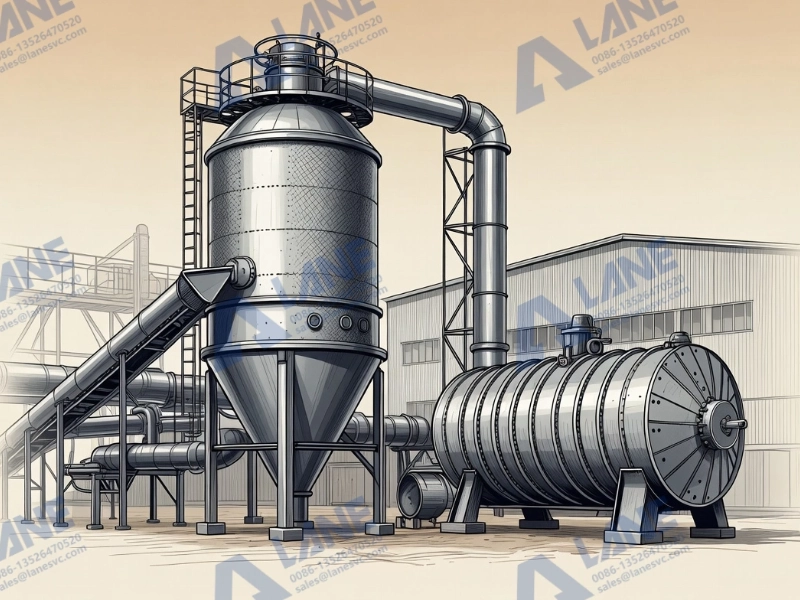
In the modern manufacturing sector, the license to operate is tied to a facilities environmental compliance. One of the polluted areas for fertilizer industry is dust generation during granulation and material handling processes. Granulation facilities for NPK, MAP and DAP production line face global oversight regarding air quality and air particulate matter. Implementing engineering solutions for reducing fertilizer dust emissions in granulation plants has become a critical strategy to manage regulatory compliance, workforce safety, and asset protection. Excessive dust affects worker safety, reduces machinery effectiveness, and cause material waste.
To protect the environment and workers safety, government all over the world has implemented laws. Because of these reducing fertilizer dust emissions in granulation plants has become a priority for aged production plants and manufacturers who wants sustainable and efficient production. LANE Heavy industry has manufactured fertilizer production line which was fully engineered to solve the challenge of dust pollution. This article explores the equipment, strategies, and benefits of reducing fertilizer dust emissions in granulation plants with the help of the production line from LANE Heavy Industry.
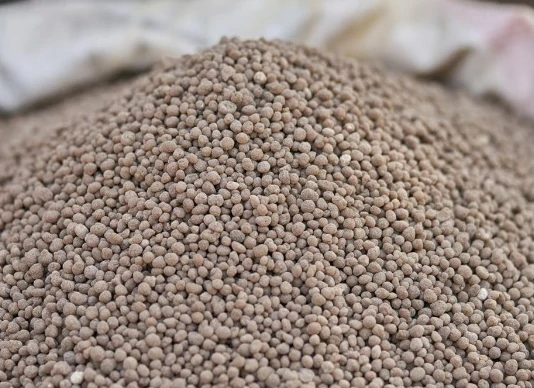
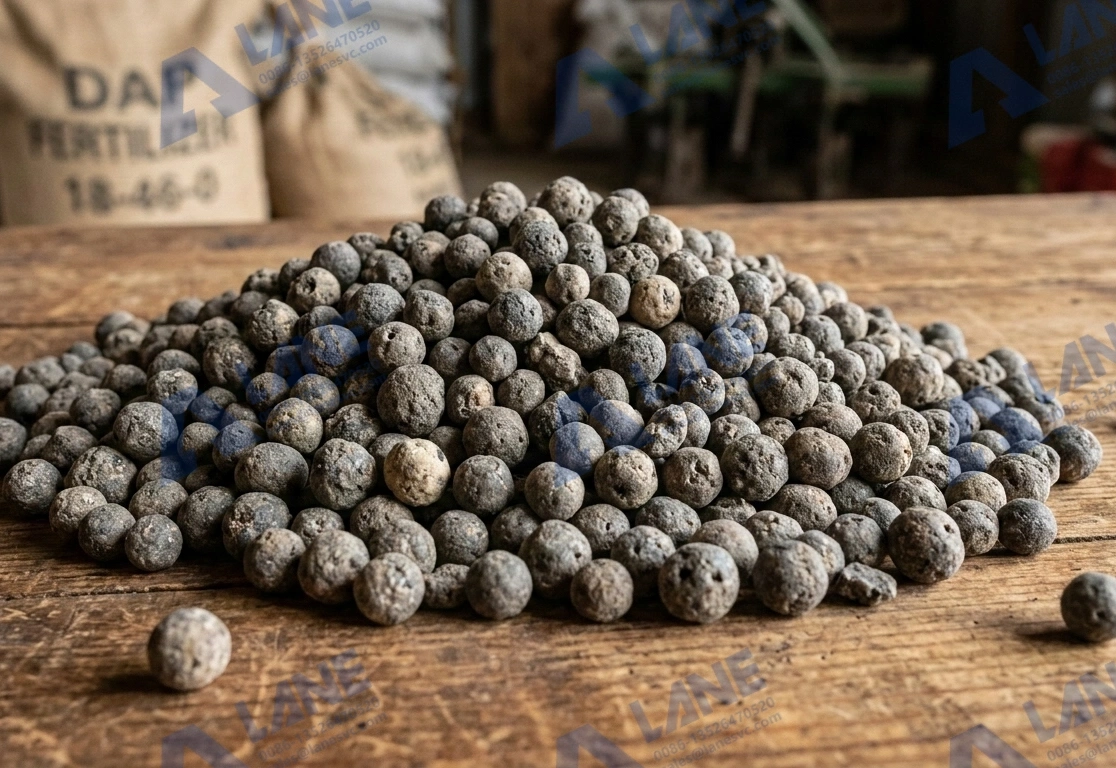
Before reducing fertilizer dust emissions in granulation plants, the producer and investor must understand where it originates within a standard compound fertilizer production line. The dust particles mainly generate during four operational phases.
Raw Material Crushing and Batching:Â The crushing stage is one of the major culprits of dust pollution. High-speed impact crushers such as cage crushers or vertical crushers, break down raw materials into fine powders. Without proper sealing and containment measures, this stage releases a large amount of dust.
Rotary Drum Granulation:Â As materials are agglomerated using water, steam, or chemical binders inside a rotating drum, during intake and mechanical friction creates fine particles before the granules fully set.
Rotary Drying and Cooling:Â This is the most dust-intensive zone in the production line. High volume of air is forced through the rotary dryer and cooler to remove moisture and lower the temperature during operation. This air contains dust from granular surface in high concentration.
Screening and Coating:Â Rotary and vibrating screening machine during fertilizer grinding generate dust from the finished granules. The subsequent tumbling in coating drums to apply anti-caking agents also generates localized ambient dust.
A clean fertilizer operation requires heavy machinery to balance material physics and aerodynamic control. LANE Heavy Industry’s turnkey fertilizer production lines utilize specific equipment configurations designed to suppress and capture dust.
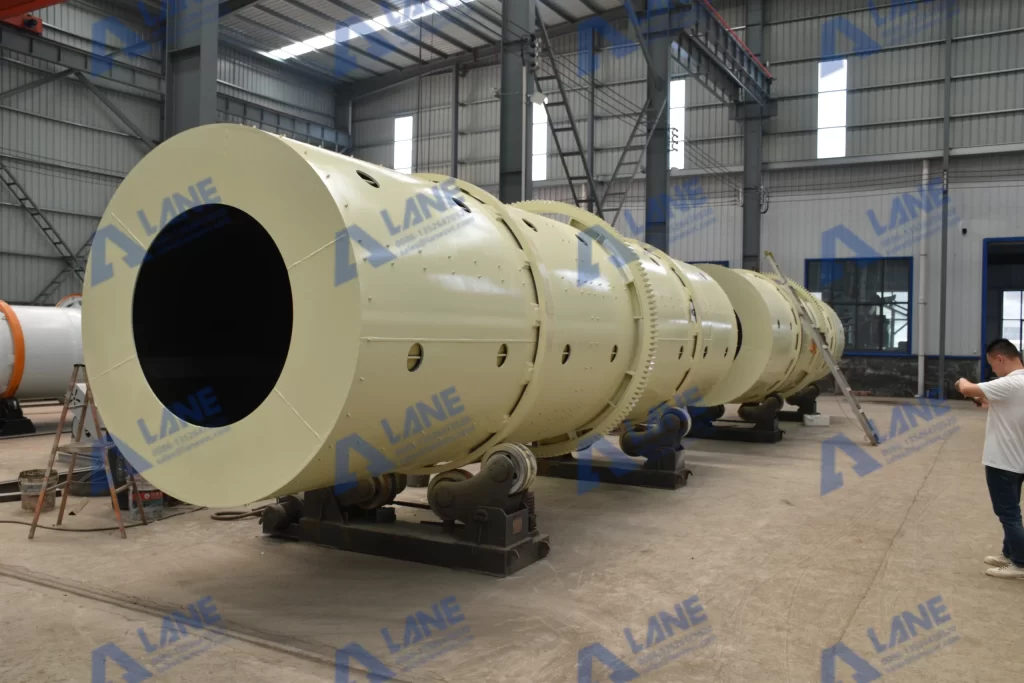
High-Efficiency Rotary Drum Granulators: The foundation of dust control begins in the granulation phase. LANE Heavy Industry’s Rotary Drum Granulator utilizes an optimized internal flight design and an advanced liquid spraying system. By ensuring an even automatic distribution of liquid binders across the granulator bed promotes uniform particle agglomeration. The precision control reduces the volume of ungranulated powder. This directly reducing fertilizer dust emissions in granulation plants before the material ever reaches the drying stage.
Dual-Stage Cyclonic Dust Separators: Thermal processing unites use high volume air to drive off moisture. To prevent the air from carrying valuable product out of the stack, LANE Heavy Industry integrates heavy-duty Cyclone Dust Collectors immediately from both the rotary dryer and the rotary cooler. Using centrifugal force, these cyclones separate large and medium-sized suspended particles from the exhaust gas stream.
Pulse-Jet Baghouse Filters: LANE Heavy Industry implements Pulse-Jet Baghouse Filters as a secondary purification stage for dust particles that evade cyclonic separation. These systems are designed for routing the exhaust air through high-density, corrosion resistant filter bags.
Periodic blasts of compressed air dislodge the accumulated dust cake from the bags into a collection hopper. This dual-stage setup represents the gold standard for reducing fertilizer dust emissions in granulation plants.
Enclosed Material Transfer and Multi-Deck Screens: The production line features dust covers on belt conveyors and screeners. LANE Heavy Industry’s rotary and vibrating screening machines feature dust-tight covers and flexible connection sleeves that prevent fine particulates from escaping into the factory atmosphere.
Dusting Fall Rooms:Â This is a room connected to cyclone and pulse get collectors to capture residual particles
The machine provided by the LANE Heavy Industry can help the operator mitigate the dust pollution but it requires daily operational strategies to maintain the performance.
Optimizing Liquid-to-Solid Ratios:Â Plant operators must continuously monitor the binder formulation and moisture content within the rotary granulator. Proper moisture management ensures strong liquid bridging between particles. This helps creating a dense granule structure that resists degradation and fracturing during subsequent drying and screening stages.
Managing Dryer Air Velocity:Â The draft fans on rotary dryer must be properly calibrated via variable frequency drives (VFDs). Excessive air stream can pull intact granules into the exhaust stream. Striking the right aerodynamic balance is vital for reducing fertilizer dust emissions in granulation plants.
Implementing Preventive Maintenance:Â Maintenance is one of the major factors to ensure that your system is working properly and your dust collection is not excessive. Regular inspection of internal drum liners, cleaning of cyclone walls to prevent material build-up, and monitoring baghouse differential pressure are essential steps.
Benefits of Effective Dust Reduction
Manufacturers who invest in reducing fertilizer dust emissions in granulation plants gain numerous advantages.
Improved Regulatory Compliance:Â It is easier to meet environmental standards when your production line has effective dust control system. This reduces the risk of penalties and supports long-term business sustainability.
Higher Product Recovery:Â Dust capturing reduces raw material wastage. It allows valuable fertilizer materials to be returned to the production process. This increases yield and improve profitability.
Better Product Quality:Â The proper machinery control system reduces fine generation and leads to more uniform granules.
Lower Maintenance Costs:Â Cleaner operating environment reduces wear on machinery.
Enhanced Workplace Safety:Â The air quality is not hazardous for the employees. The safer work condition makes the workers moral high.
Stronger Corporate Reputation:Â Environmentally responsible manufacturing practice works as a marketing tool and it attracts premium customers.
These benefits demonstrate why Reducing Fertilizer Dust Emissions in Granulation Plants is good for both an environmental and economic investment.
FAQ: Reducing Fertilizer Dust Emissions in Granulation Plants
Q1: What is the acceptable dust level inside a fertilizer plant?
The dust collection system should ensure suspended particulate matter (SPM) inside the plant remains less than 50 mg/m³.
Q2: Which fertilizer types produce the most dust?
Phosphate-based fertilizers and compounded NPK release larger amounts of dust during handling compared to other fertilizers like ammonium nitrates.
Q3: How does LANE’s closed-loop dust recovery system work?
The cyclone dust collector captures fine particles during granulation and drying, then reintroduces the collected dust into the production cycle, reducing waste and maximizing raw material usage.
Q4: What equipment is most effective for controlling fertilizer dust?
Professional dust collecting systems containing cyclone collectors, water curtain collectors, and dusting fall rooms are the most effective steps for controlling dust generation.
Q5: How does proper moisture control assist in reducing fertilizer dust emissions in granulation plants?
Proper moisture and binder distribution within the granulator ensure strong liquid bridging between raw material particles. This creates structurally sound, dense granules that are far less likely to fracture, break down, or generate dust when subjected to thermal and mechanical stress.

For more details, please feel free to contact us.
Henan Lane Heavy Industry Machinery Technology Co., Ltd.
Email: sales@lanesvc.com
Contact number: +86 13526470520
Whatsapp: +86 13526470520
Copyright © Henan Lane Heavy Industry Machinery Technology Co., Ltd.
