
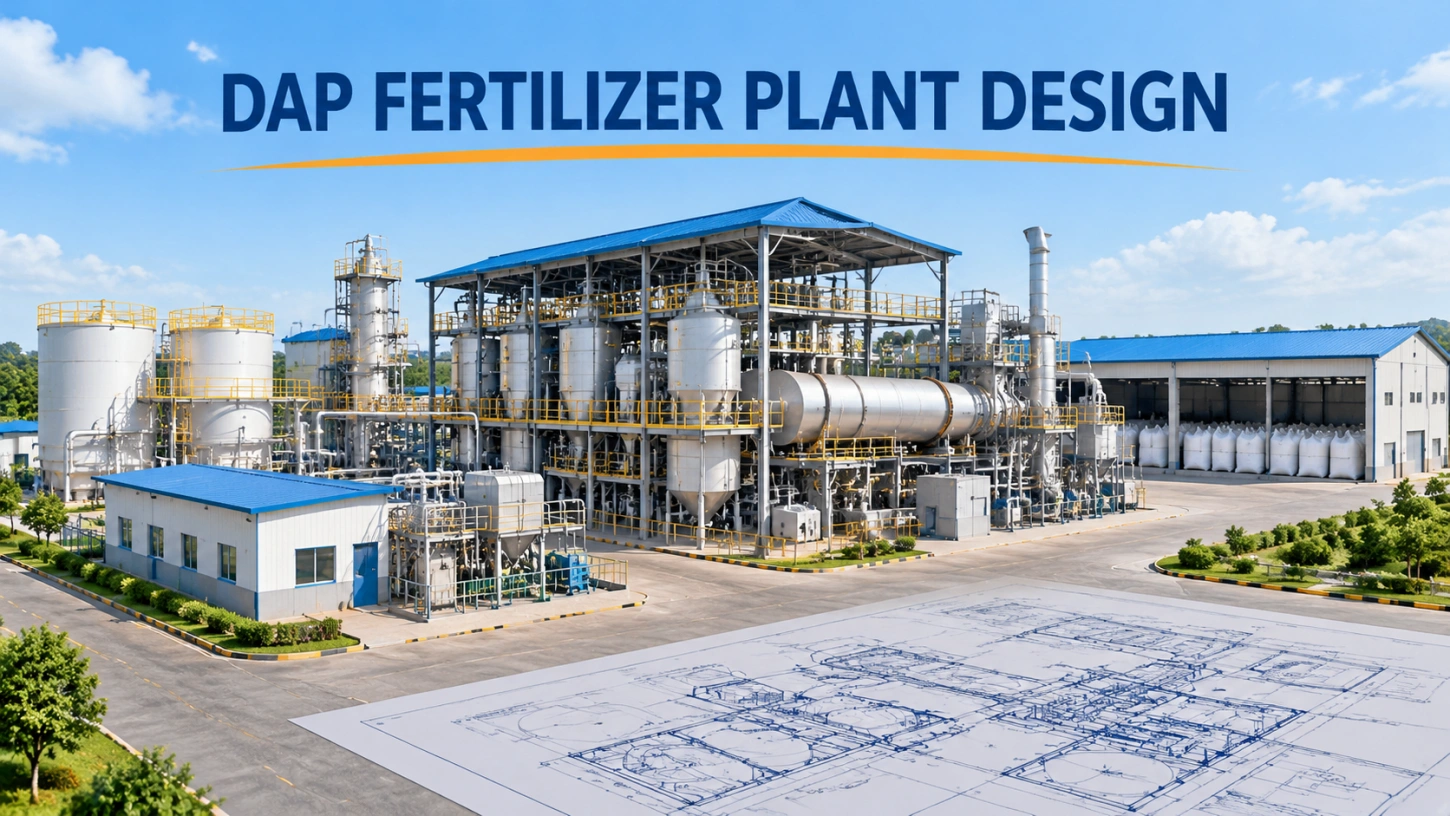
Starting a diammonium phosphate (DAP) fertilizer manufacturing project involves many decisions before the first machine arrives at the site. Investors need to consider production capacity, raw material handling, equipment configuration, factory dimensions, and the relationship between different production sections. One important decision is when to start planning the production line.
Some investors prefer to construct a factory building first and select equipment afterward. However, this approach can create problems if the available space does not match the actual production requirements. Equipment may be difficult to install, material transfer routes may become unnecessarily long, and maintenance areas may be insufficient.
A more practical approach is to involve equipment engineers during the early planning stage. A well-prepared dap fertilizer plant design allows investors to understand the required equipment, installation space, building dimensions, and production arrangement before construction begins.
This does not mean every project needs the same factory layout. A new project without an existing building requires a different planning method from an investor who already owns an industrial facility. The objective is to match the production line with the actual site conditions rather than force the equipment into an unsuitable space.
This guide explains how to prepare a DAP fertilizer project, what information engineers need, and how dap fertilizer plant design can help investors make better decisions before building or renovating a factory. It also discusses how a suitable dap fertilizer plant design can reduce installation difficulties and improve the coordination of different production sections.
A factory building is not simply an empty space where machines can be installed. Its dimensions, structural arrangement, access points, and internal transportation routes all influence how the production line will operate.
For example, A DAP production line may include raw material storage and feeding, a reaction section, granulation, drying, cooling, screening, conveying, and finished product handling. These sections should all be considered during dap fertilizer plant design to ensure that the equipment follows a logical production sequence.
If investors build the factory without considering the equipment arrangement, several problems may appear later.
First, the building may not have enough internal height for equipment, conveyors, or material transfer systems. Second, columns and structural beams may interfere with equipment installation. Third, the distance between production sections may increase, creating additional conveying requirements. Finally, operators may have limited space for inspection, cleaning, and equipment maintenance.
This is why dap fertilizer plant design should be considered before finalizing the factory building plan.
Instead of estimating the building dimensions based on general industry assumptions, investors can first determine the required production capacity and process arrangement. This is an important starting point for dap fertilizer plant design because the production target directly influences equipment dimensions, workshop space, and material handling requirements.
This approach gives the construction team a more practical reference. It also reduces the possibility of changing the building structure after construction has already started.
Before selecting equipment, investors should clarify what they want the factory to produce and how much finished fertilizer they expect to manufacture.
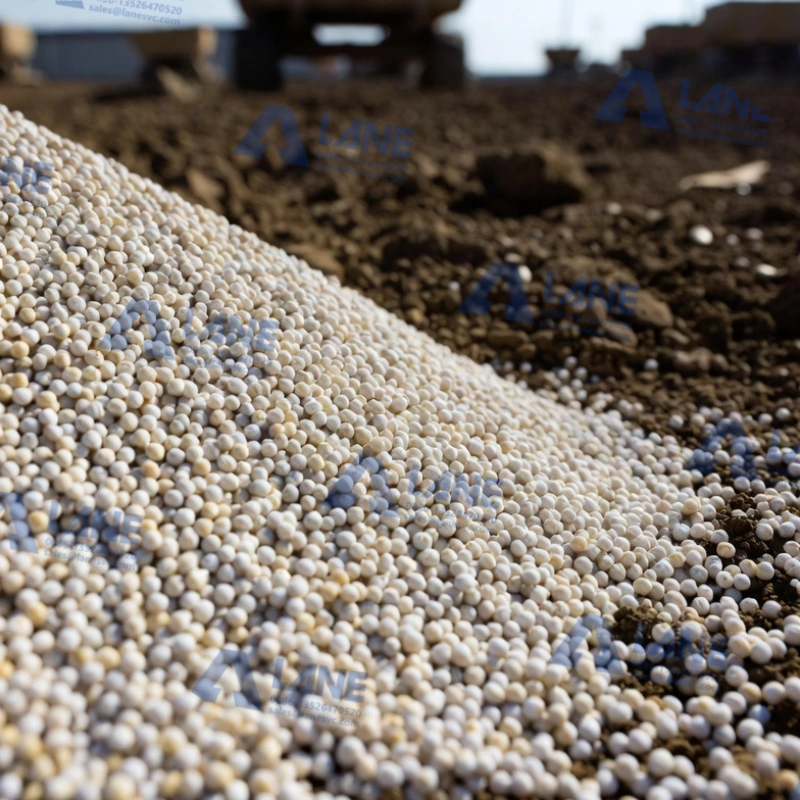
DAP is commonly sold as granular diammonium phosphate fertilizer, with the familiar commercial grade of 18-46-0. However, the final product requirements should be confirmed according to the intended market and customer specifications.
These product specifications are essential for dap fertilizer plant design and equipment selection. Important information includes:
Production capacity also needs to be clearly defined. An investor may request a line producing 10 tons per hour, but the supplier needs to know whether this figure refers to finished product output or process feed capacity.
This distinction matters because moisture removal, screening, and recycled material affect the actual material flow through the plant. During dap fertilizer plant design, engineers need to account for these factors when calculating the processing capacity of individual machines.
When preparing a dap fertilizer plant design, engineers use these requirements to estimate the processing capacity of different sections. The reaction system, granulator, dryer, cooler, screens, and conveying equipment should be coordinated rather than selected independently.
A production line designed around the finished product target is more useful than a collection of machines with similar catalogue capacities.
Raw material information is another essential part of early project planning.
Conventional chemical DAP production uses phosphoric acid and ammonia as its main chemical feeds. Their characteristics and supply conditions are important considerations in dap fertilizer plant design because they influence storage facilities, feeding systems, and reaction equipment. These materials react under controlled conditions to produce ammonium phosphate, which then enters the downstream granulation and finishing sections.
The exact process arrangement depends on the selected technology, raw material characteristics, production capacity, and product specifications.
Before preparing an equipment proposal, investors should provide available information about:
These details influence the selection of storage tanks, transfer pumps, metering equipment, reaction systems, and other process components. Therefore, dap fertilizer plant design should be based on actual raw material conditions rather than standard equipment configurations alone.
The production route also determines how the equipment should be arranged. For example, a complete chemical DAP manufacturing facility requires a reaction section before granulation. A downstream facility that only processes purchased DAP powder may have a substantially different equipment scope.
Engineers should therefore confirm the project boundary before preparing the dap fertilizer plant design. This prevents investors from receiving a proposal that includes unnecessary equipment or excludes an important production section.
For investors who have purchased land but have not constructed the factory, equipment planning can become the starting point for the building design.
The first step is to establish the production process and identify the main equipment required. This information forms the foundation of dap fertilizer plant design, allowing engineers to determine the equipment arrangement before factory construction begins.
A typical granular DAP production arrangement may include:
The final equipment list must be confirmed according to the actual process. Not every project uses exactly the same configuration.
After identifying the main equipment, engineers can prepare an initial layout showing the relative positions of the machines and the direction of material movement. This layout is a key part of dap fertilizer plant design because it connects equipment dimensions with the actual factory space.
This is where dap fertilizer plant design becomes especially useful for a greenfield project. Investors can review the proposed equipment arrangement before deciding the final building dimensions.
The layout should consider more than the physical footprint of each machine. A practical dap fertilizer plant design must also account for operating access, maintenance clearance, equipment replacement routes, electrical control areas, and material transfer space.It should also include operating access, maintenance clearance, equipment replacement routes, electrical control areas, and material transfer space.
For example, a rotary dryer may require sufficient space for its supporting structure, drive system, feeding and discharge connections, and maintenance access. A screening section also needs room for material distribution and the return of undersized or oversized particles.
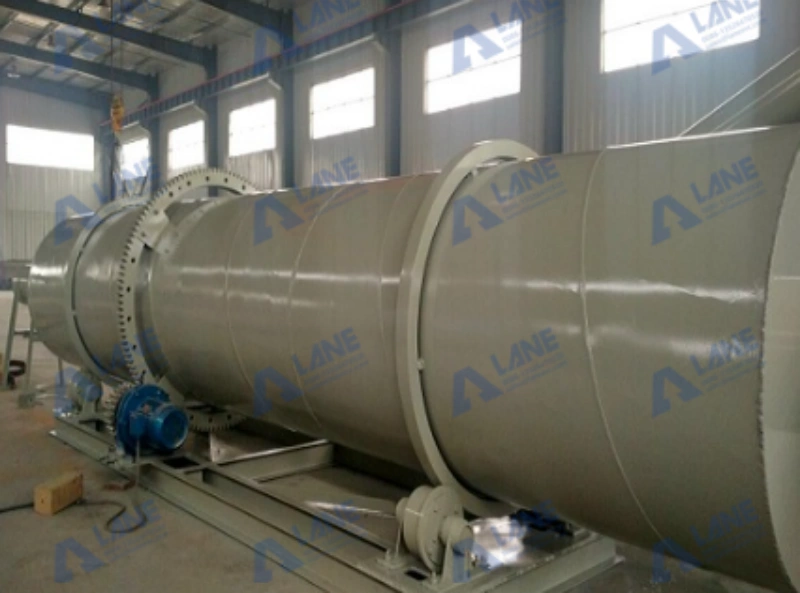
The purpose of early planning is to ensure that the building can accommodate the complete production system, not just the main machines.
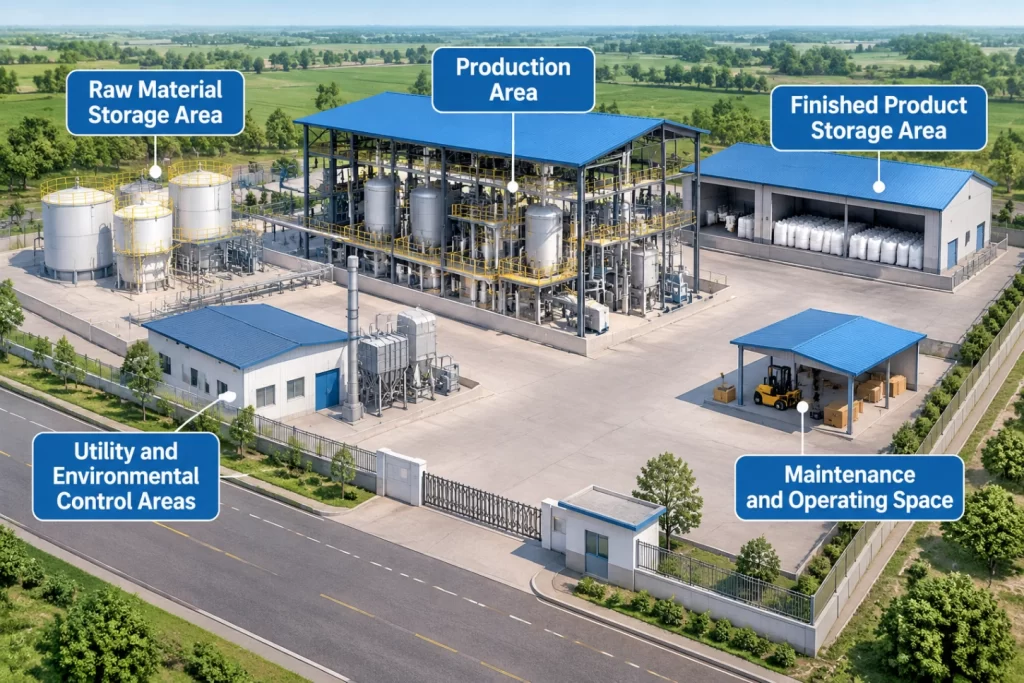
Factory space should be calculated from the equipment arrangement and project requirements rather than selected through a general square-meter estimate. This is why dap fertilizer plant design should be completed before investors finalize the workshop dimensions.
Several areas need to be considered during planning.
Production Area
The production area contains the main process equipment, including the reaction, granulation, drying, cooling, and screening sections.
The required floor space depends on equipment dimensions, production capacity, process arrangement, and whether the line uses a horizontal or multi-level layout. These factors should be evaluated together during dap fertilizer plant design to make better use of the available factory area.
Raw Material Storage Area
Raw material storage should be planned according to the supply method, storage period, material properties, and daily consumption.
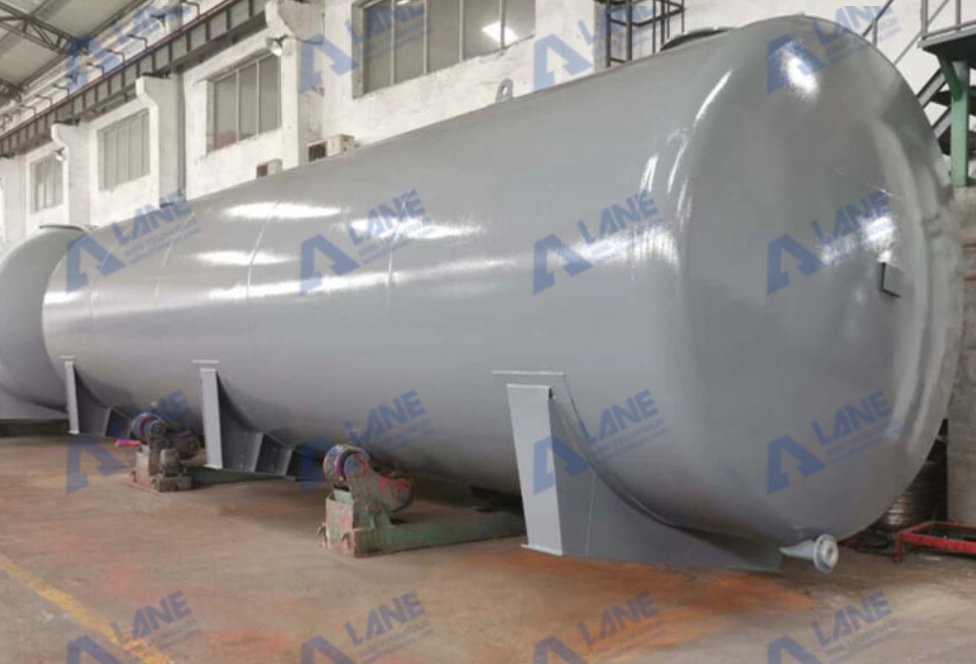
Phosphoric acid storage, ammonia handling, and associated transfer systems require specific engineering consideration. A suitable dap fertilizer plant design should determine their positions according to material transfer requirements, safe access, separation requirements, and relevant site regulations.
Finished Product Storage Area
After screening and finishing, DAP fertilizer needs to be transferred to storage, bagging, or bulk-loading facilities.
The required warehouse capacity depends on production volume, shipment frequency, packaging method, and inventory arrangements.
Investors should not plan the production workshop without considering where the finished fertilizer will go after leaving the production line.
Maintenance and Operating Space
Machines require access for inspection, lubrication, cleaning, and replacement of wearing parts.
A layout that uses every available square meter for equipment may look compact on paper but can create difficulties during daily operation. For this reason, dap fertilizer plant design should reserve sufficient space for routine inspection, lubrication, cleaning, and equipment maintenance.
For a practical dap fertilizer plant design, engineers should reserve suitable access space around important machines and consider the movement of maintenance tools and replacement components.
Utility and Environmental Control Areas
The project may also require areas for electrical systems, air supply, water systems, dust collection, gas scrubbing, and other environmental equipment.
These systems should be considered during the initial layout instead of being added after the main equipment has been positioned. Including them in dap fertilizer plant design from the beginning helps prevent space conflicts and unnecessary modifications during installation.
The exact building area cannot be determined from production capacity alone. Equipment dimensions, process technology, storage requirements, structural conditions, and environmental systems all influence the final space requirement.
Not every investor starts with an empty plot of land. Some already own an industrial building, operate a fertilizer business, or plan to convert an existing workshop into a DAP production facility.
In this situation, the engineering approach is different. Instead of designing the building around a new production line, engineers need to understand the existing site and determine what equipment arrangement is practical.
Before preparing a layout, investors should provide:
Photos and videos of the factory are also useful for an initial assessment. However, actual dimensions and structural information are needed before final equipment positioning and foundation design.
With this information, engineers can compare the available space with the proposed production line. This assessment allows dap fertilizer plant design to be adjusted according to the existing workshop instead of relying on a completely new factory layout.
Sometimes the complete line can be arranged within the existing building. In other cases, certain equipment may need to be installed outdoors, a storage area may need to be expanded, or the process layout may need adjustment.
This is an important advantage of project-specific dap fertilizer plant design. The objective is not to force a standard layout into every building, but to find an arrangement that fits the site while maintaining reasonable production flow and maintenance access.
The equipment layout should follow the actual process sequence. In dap fertilizer plant design, the arrangement of each machine should support continuous material movement from the reaction section to final product handling.
In a conventional chemical DAP production line, raw materials first enter the storage and feeding systems. They then move to the reaction section, where phosphoric acid and ammonia are processed under controlled conditions.
The resulting material enters the ammoniator-granulator. Wet granules move to the dryer and cooler before reaching the screening section.
Finished-size particles are transferred to storage or packaging. Undersized material and crushed oversized particles may return to the granulation circuit, depending on the selected process.
This arrangement needs to be reflected in the equipment layout.
A good layout should address several practical questions:
The material flow diagram and equipment layout should be reviewed together. A layout may look convenient from a building perspective but still create unnecessary conveying distances or difficult maintenance conditions.
For more information about the main machinery and process connections, investors can also review LANE’s DAP fertilizer manufacturing equipment guide.
Before starting factory construction or equipment manufacturing, investors should understand what engineering documents are available and what each document is intended to show. These documents form an important technical basis for dap fertilizer plant design and subsequent project coordination.
A preliminary dap fertilizer plant design package may include the following engineering documents:
Process Flow Diagram (PFD): Shows the main production stages and the movement of materials through the process.
Equipment Layout Drawing: Shows the proposed positions of the major machines and their relationship to the factory building.
Equipment Dimension List: Provides the overall dimensions and key technical information required for space planning.
Foundation Information: Identifies the foundation requirements and equipment installation conditions that need to be confirmed by the relevant structural engineering team.
Utility Requirements: Lists the electrical power, water, fuel, compressed air, and other utilities required by the equipment.
Material Handling Arrangement: Shows how raw materials, recycled particles, and finished fertilizer move between production sections.
These documents help investors coordinate equipment purchasing with factory construction. They also allow the dap fertilizer plant design to be reviewed before major construction and installation decisions are finalized.
However, a preliminary equipment layout is not automatically a complete architectural, structural, or construction drawing. Final building dimensions, foundations, fire protection, electrical design, and local code compliance should be reviewed and approved by qualified professionals responsible for the project.
This distinction is particularly important for projects in the United States, where state and local building, fire, environmental, and occupational safety requirements may apply.
A clear dap fertilizer plant design package helps the investor understand what the equipment supplier provides and which engineering tasks require local professionals.
Several mistakes can create additional expenses or installation problems during a new DAP project. Most of these problems can be reduced through careful dap fertilizer plant design and early communication between investors and equipment engineers.
Building First and Selecting Equipment Later
If the factory is completed before the equipment layout is prepared, investors may discover that the building height, columns, or available floor space do not suit the proposed machinery. Proper dap fertilizer plant design helps identify these conflicts before construction begins.
Estimating Space Only from Main Equipment Dimensions
A machine’s overall dimensions do not represent its complete installation area. Supporting structures, conveyors, maintenance access, and transfer points also require space.
Ignoring Raw Material and Finished Product Storage
A production workshop may have enough room for the main equipment but insufficient storage capacity for incoming materials or finished fertilizer.
Leaving Environmental Equipment Until the End
Dust collection and gas treatment systems need suitable collection points, ducts, equipment locations, and maintenance access. They should be considered during the initial process arrangement.
Using the Same Layout for Every Production Capacity
A layout prepared for one capacity cannot automatically be applied to another. Each dap fertilizer plant design should be adjusted according to the target output, equipment specifications, material flow, and available factory space. Different capacities may require different equipment sizes, material handling arrangements, and building dimensions.
Avoiding these mistakes is one of the main reasons to involve engineers before factory construction.
Investors do not need to complete every engineering detail before contacting an equipment supplier. However, sharing basic project information helps engineers develop an initial dap fertilizer plant design that reflects the actual production requirements. However, providing basic project information helps engineers understand the requirements and prepare a more useful preliminary proposal.
The following information is a good starting point:
| Project information | Details to provide |
|---|---|
| Project status | New factory or existing building |
| Project location | Country, state, and city |
| Target capacity | Tons per hour or tons per year |
| Product requirements | DAP grade, particle size, moisture, and packaging |
| Raw materials | Phosphoric acid and ammonia supply information |
| Factory dimensions | Length, width, and height, if available |
| Existing equipment | Equipment that may be reused |
| Project scope | Complete production line or selected equipment |
| Service requirements | Layout planning, equipment supply, installation guidance, and commissioning support |
If the factory has not been built, investors can first provide their target capacity, project location, available land information, and product requirements. Engineers can use these details to prepare an initial dap fertilizer plant design and discuss the required production areas before construction. Engineers can use these details to discuss the process arrangement and preliminary equipment layout.
If the factory already exists, investors should provide building drawings, dimensions, and site photos. Engineers can then assess how the production line may fit the available space.
The final dap fertilizer plant design should be based on confirmed process conditions, equipment specifications, and actual site information rather than assumptions.
Planning a DAP fertilizer factory should begin before construction, not after the building is completed. The production process, equipment dimensions, material flow, storage areas, utilities, and maintenance access all influence the space required for a successful project.
For investors who have not built their factory, early engineering planning can provide a reference for determining building dimensions and arranging the production areas. For investors with an existing facility, engineers can assess the available space and prepare a production line layout that matches the site conditions.
A practical dap fertilizer plant design connects equipment selection with factory planning. It helps investors understand what needs to be installed, how much space should be reserved, and what information should be confirmed before construction and equipment procurement.
LANE Heavy Industry provides fertilizer production equipment and production-line solutions. Whether you are planning a new DAP factory or adapting an existing building, you can share your target capacity, raw material information, product requirements, and available site details with our team.
Our engineers can discuss a suitable equipment arrangement and help you move from an initial project idea toward a more complete production line plan.
Contact LANE to discuss your DAP fertilizer plant project before you start construction.
Copyright © Henan Lane Heavy Industry Machinery Technology Co., Ltd.
