
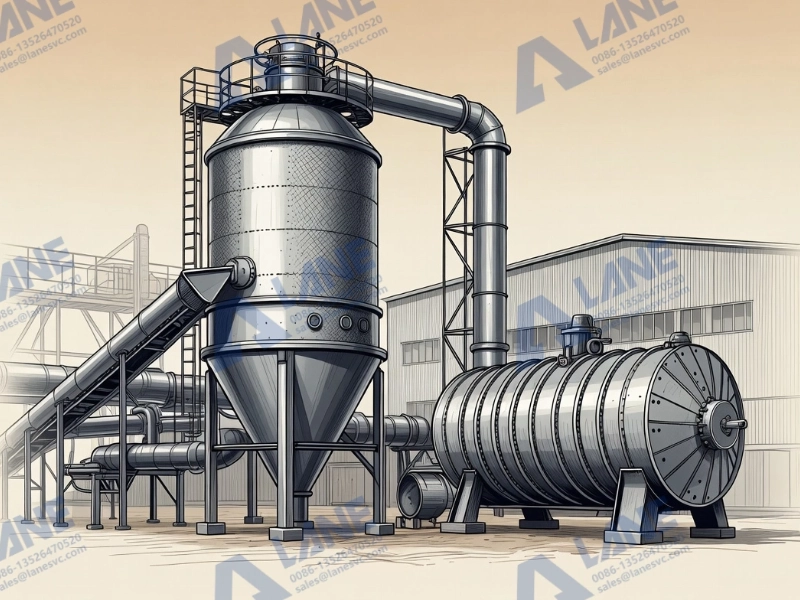
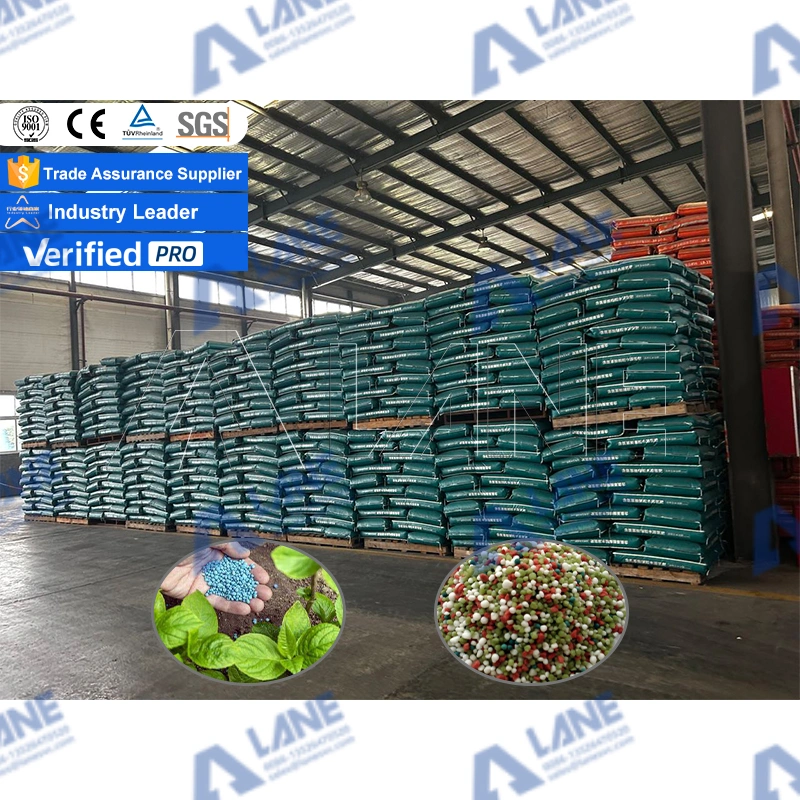
Diammonium Phosphate (DAP) is one of the most widely used phosphorus fertilizers in the world due to its high nitrogen and phosphate content (18-46-0) (18% nitrogen, 46% phosphorus pentoxide) and excellent physical properties. As global demand for high-efficiency phosphate fertilizers continues to rise, more fertilizer manufacturers are investing in complete industrial DAP fertilizer production solution systems to improve output quality, reduce operating costs, and expand production capacity.
Enterprises and investors who are seeking large-scale, efficient DAP fertilizer, a professional and customized industrial DAP fertilizer production solution is essential. LANE Heavy Industry Machinery, a leading manufacturer of fertilizer production equipment, offers a complete, cost-effective industrial DAP fertilizer production solution that integrates advanced equipment, optimized process flow, and strict cost control. We leverage our deep technical expertise to provide global customers with a complete industrial DAP fertilizer production solution.
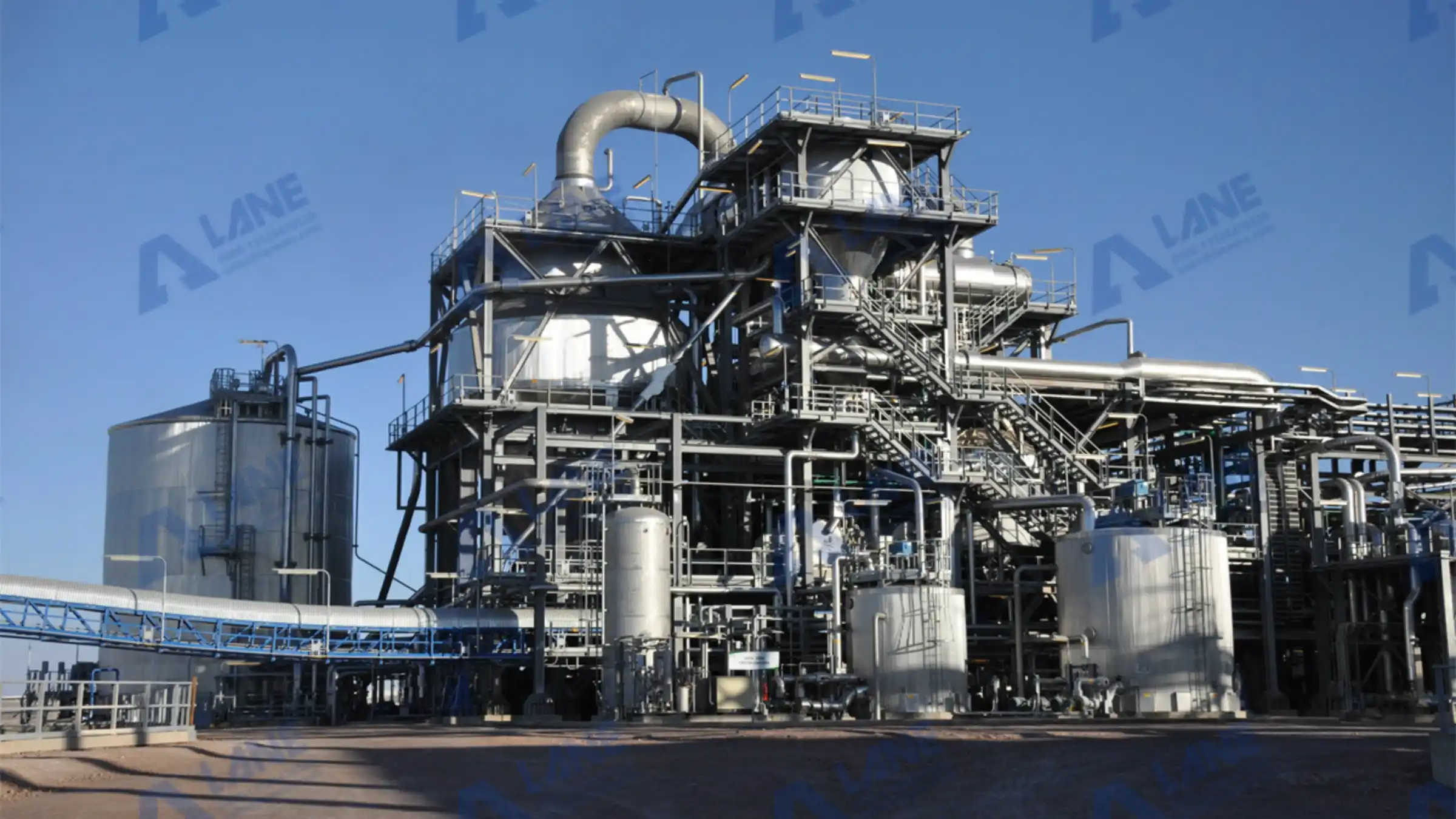
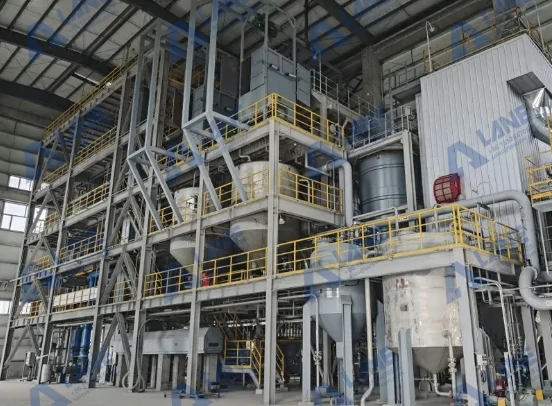
An efficient industrial DAP fertilizer production solution rests on a carefully selected set of interconnected machines. While configurations vary by capacity and site, a standard LANE Heavy Industry line typically includes the following sections:
| Section | Key Equipment | Role |
| Raw Material Handling | Conveyors, silos, weigh feeders | Store and meter phosphate rock, sulfur, or presupplied phosphoric acid and ammonia |
| Acidulation & Reaction | Ammoniation reactor, pipe reactor (or preneutraliser), scrubber | React phosphoric acid with ammonia under pressure to form a DAP slurry |
| Granulation | Rotary drum granulator | The heart of the plant, where the slurry is sprayed and agglomerated into a rolling bed of recycled material to build granules |
| Drying | Rotary dryer | Reduces moisture from ~8–12% to 1–2% with cocurrent hot air |
| Screening & Sizing | Vibrating doubledeck screens, chain mills | Separate product, oversize, and fines; oversize is crushed and recycled |
| Cooling & Conditioning | Fluid bed cooler, coating drum | Bring granule temperature below ~40 °C and apply anticaking agents |
| Dedusting | Cyclones, bag filters, scrubber system | Capture fugitive dust and recover ammonia for reuse |
| Packaging & Storage | Automatic packaging machines | Weigh and pack 50 kg bags or prepare bulk shipments |
| Utilities and control | Boilers, steam systems, condensers, filtration units, distributed control systems (DCS) | Supporting equipment for processing, emissions controls, process monitoring |
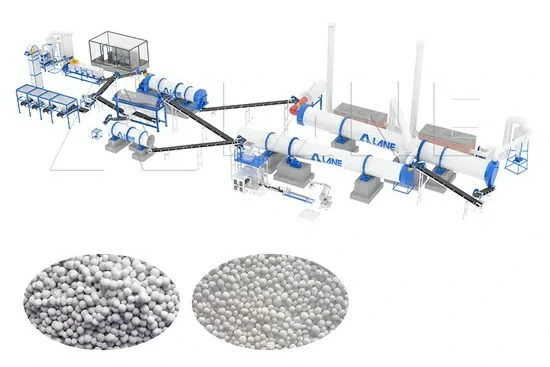
Investing in an industrial DAP fertilizer production solution requires evaluation from two dimensions: Capital Expenditure (CAPEX) and Operational Expenditure (OPEX).
| Equipment Name | Quantity | Estimated Value Proportion |
| Neutralization & Slurry System | 1 Set | 20% |
| Rotary Drum Granulator (LANE Custom) | 1 Unit | 15% |
| Drying & Cooling System | 1 Each | 30% |
| Environmental Dust Removal (Scrubbers) | 1 Set | 15% |
| Automated Control & Packaging | 1 Set | 10% |
| Auxiliary (Belts, Elevators) | Various | 10% |
Operational risks and mitigation
Investment costs vary depending on capacity, automation level, and local infrastructure. Below is the production line cost analysis.
Estimated investment: USD 120,000 – 400,000
Includes:
Suitable for:
Estimated investment: USD 400,000 – 900,000
Includes:
Suitable for:
Estimated investment:Â USD 1 million+
Includes:
Ideal for:
A properly designed industrial DAP fertilizer production solution offers strong ROI through:
Why Choose LANE Heavy Industry?
LANE Heavy Industry provides more than just equipment; we offer comprehensive engineering services:
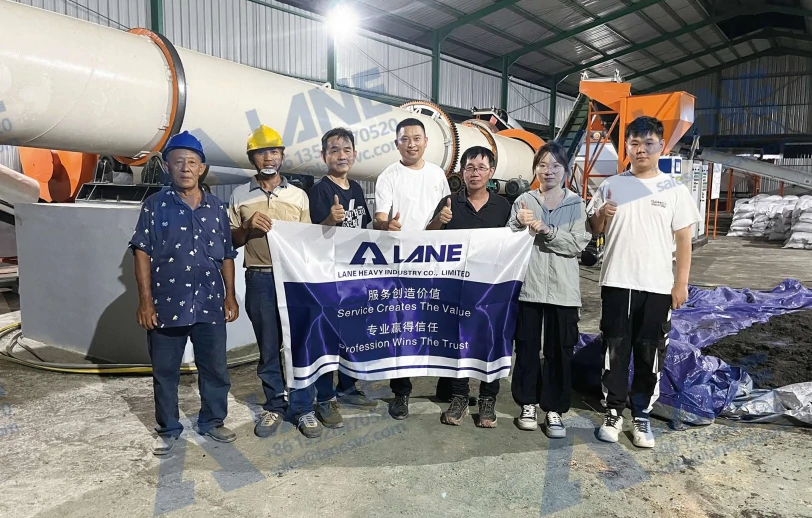
A professional industrial DAP fertilizer production solution is a complete system that determines product quality, production efficiency, and factory profitability. From processing and reaction to granulation and postprocessing, every stage is optimized for stable production. With decades of heavy industry and agriculture machinery manufacturing experience, LANE Heavy Industry delivers customized DAP fertilizer production lines for global customers seeking efficient, scalable, and profitable fertilizer plants.
LANE offers capacities from 10,000 tons/year to 300,000 tons/year depending on customer requirements.
Main raw materials include phosphoric acid, ammonia, recycled powder, and additives.
Yes. Rotary drum granulation is the preferred choice for large-scale industrial DAP fertilizer production solution projects.
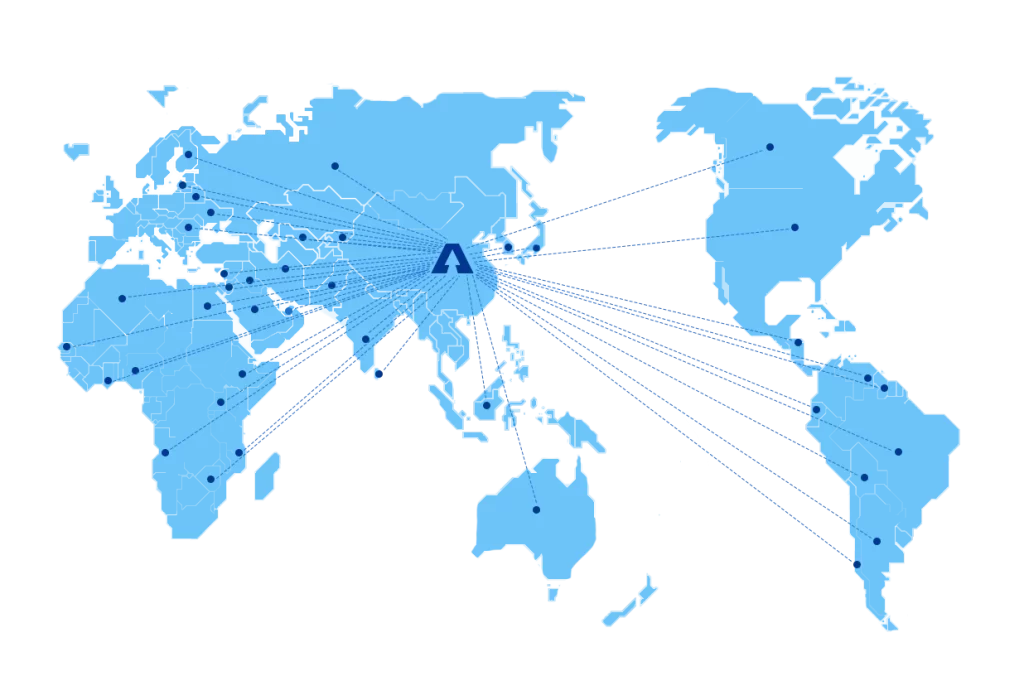
Yes. LANE offers installation guidance, commissioning, training, and after-sales technical support worldwide.
For more details, please feel free to contact us.
Henan Lane Heavy Industry Machinery Technology Co., Ltd.
Email: sales@lanesvc.com
Contact number: +86 13526470520
Whatsapp: +86 13526470520
Copyright © Henan Lane Heavy Industry Machinery Technology Co., Ltd.
