

When I decided to invest in a monoammonium phosphate (MAP) production line, I knew that the quality of the finished fertilizer would depend on more than just the raw materials. The reaction process, equipment configuration, temperature control, and product handling would all affect the final result. I wanted a production system that could handle the main processing stages while remaining practical for daily operation.
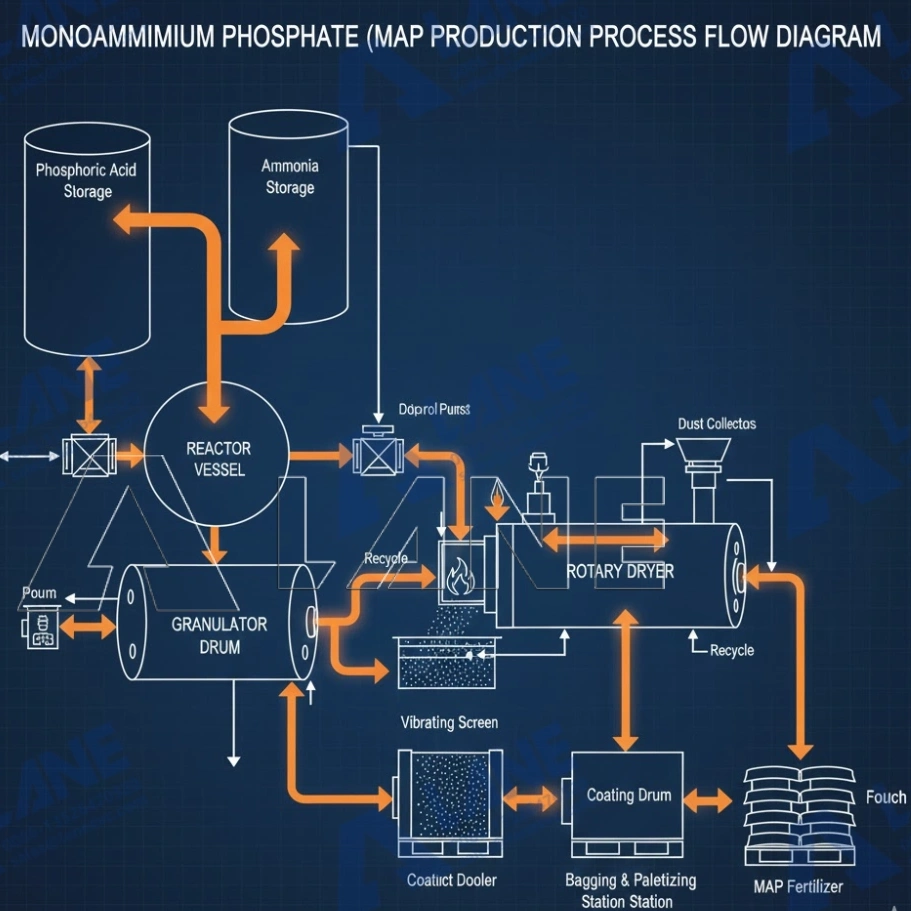
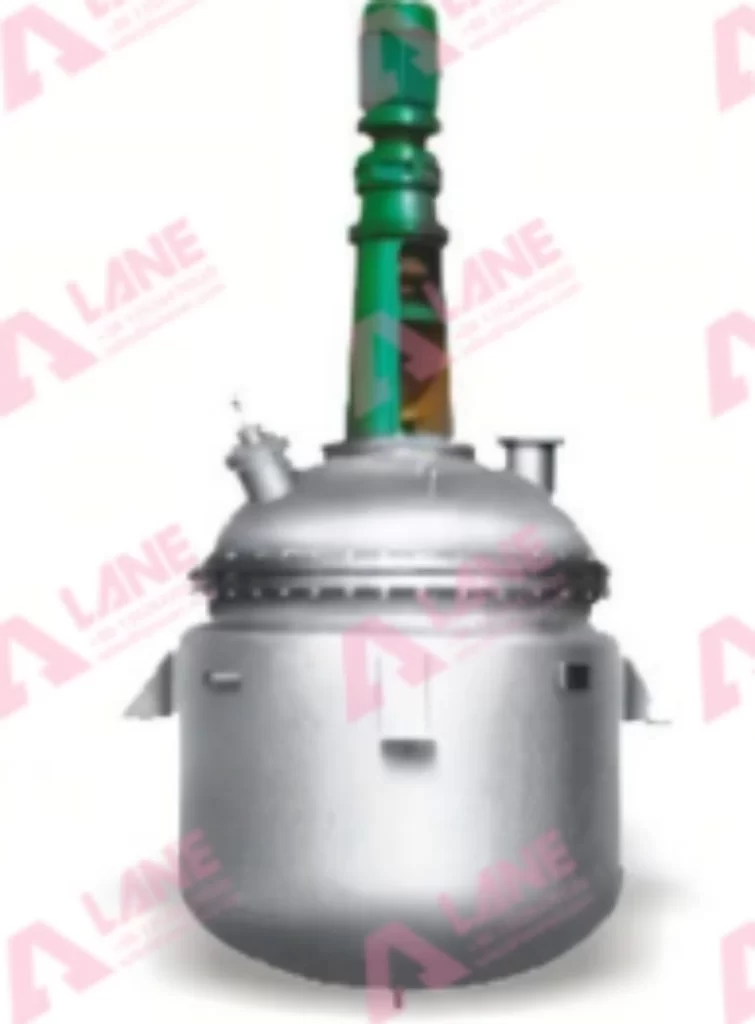
After comparing different equipment suppliers, I chose LANE to help plan and install my MAP production line. The system I selected used a stirred enamel reactor with a jacket. In this process, diluted phosphoric acid is measured and fed into the reactor, while ammonia is introduced gradually through an ammonia distributor. After neutralization, the material goes through cooling crystallization, solid-liquid separation, dehydration, and drying, with each stage requiring attention during MAP production troubleshooting.
Before installation, I mainly focused on production capacity and equipment investment. However, after the line was installed, I realized that stable production also depended on understanding how each machine worked and how problems in one section could affect the next. This was when I began to understand the importance of MAP production troubleshooting.
At first, I thought that if a machine stopped or the product quality changed, I only needed to check that particular machine. The LANE engineer explained that this was not always the right approach.A problem appearing in the crystallization or drying section might have started much earlier, perhaps during raw material feeding or the reaction stage, which is why MAP production troubleshooting should cover the entire process.
That advice changed the way I looked at the entire production line. Instead of waiting for a machine to fail, I began paying more attention to the condition of the materials, operating records, and equipment before and during production.
After the equipment installation and commissioning work was completed, the LANE engineer did not simply leave the factory. Before returning, he explained several operating points that I needed to remember. These instructions were especially useful because I had not operated this type of MAP production system before, and they gave me a foundation for MAP production troubleshooting.
The first point was raw material inspection. Phosphoric acid concentration, supply stability, and material quality needed to be confirmed before production. Different acid supplies may contain different impurities, and these differences can affect equipment compatibility and process performance. I learned that I should not assume that every batch of phosphoric acid would behave exactly the same way.
The engineer also reminded me to check the ammonia supply system. The ammonia distributor, relevant valves, instruments, and supply connections had to be in normal operating condition. Since ammonia is a hazardous substance, any abnormality in the supply system must be handled according to the plant’s approved safety procedures. Operators should never attempt to repair pressurized ammonia equipment without proper authorization and training.
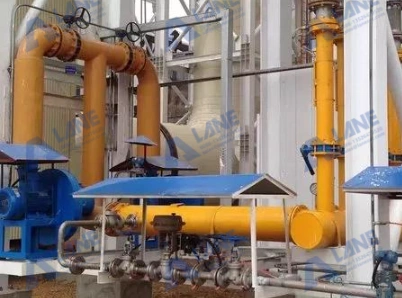
Another important lesson concerned the stirred reactor. I needed to pay attention to the agitator, motor, temperature instruments, jacket system, and visible signs of leakage or abnormal vibration. A reactor may appear to be running, but an unusual sound, unstable temperature reading, or change in motor behavior can indicate an issue that needs attention during MAP production troubleshooting.
The engineer also explained that the downstream equipment should be checked before starting the reaction process. The cooling crystallizer, separation equipment, and dryer needed to be ready to receive the material. If one section was unavailable, continuing to feed the upstream equipment could create unnecessary production pressure.
I began keeping a simple pre-start checklist based on these instructions. It included raw material availability, instrument status, equipment readiness, cooling system condition, and communication between the operators responsible for different sections. These checks became my first practical step in MAP production troubleshooting.
The first few production runs helped me become familiar with the equipment, but they also showed me that actual factory operation was more complicated than I had expected.
One problem appeared during the crystallization stage. The crystals did not form as consistently as I expected, and the material leaving the crystallizer showed differences between production runs.At first, I assumed that the cooling equipment was responsible. However, I did not have enough information to make that judgment, so I needed a more systematic approach to MAP production troubleshooting.
I checked the operating records and noticed that the temperature history and material conditions were not identical each time. This made me realize that crystallization performance could not be evaluated by looking at the cooling equipment alone. The condition of the incoming solution, the reaction stage, and the cooling process all needed to be considered together.
Another issue appeared during solid-liquid separation. The separation process was slower than expected, and the moisture condition of the separated material varied. I initially suspected that the filter equipment was not working properly. However, the filter could not be judged independently of the material entering it. Differences in crystal characteristics and the condition of the slurry could also affect separation performance.
I also noticed that the drying section required careful monitoring. If the material entering the dryer had inconsistent moisture or feed conditions, the finished product could become less uniform. Simply increasing the drying temperature was not necessarily the right solution.The engineer had already explained that operating conditions needed to be checked against the process design rather than adjusted randomly, which was an important lesson in MAP production troubleshooting.
These experiences taught me that MAP production troubleshooting should begin with the production symptom but should not stop at the machine where the symptom appears. I needed to trace the material backward through the process and compare the operating records of the connected equipment.
When I encountered problems that I could not identify, I contacted the LANE engineer through our after-sales communication group. Instead of immediately suggesting that I replace a component or change a major operating setting, he first asked me to explain what had happened.
He requested photos and videos of the equipment, the current operating condition, and the relevant instrument readings.During a video call, he guided me through the inspection process, explained the steps of MAP production troubleshooting, and helped me identify which information was still missing.
The first thing we discussed was the reaction section. He asked me to check the production records for phosphoric acid feeding, ammonia supply, and reactor temperature. He also asked whether the agitator had been operating normally and whether there had been any unusual vibration or alarm. These checks helped us determine whether the issue might have started before the material reached the crystallizer.
We then discussed the crystallization section. I showed him the equipment condition and explained the differences I had noticed between production runs. He reminded me to compare the incoming material condition and the recorded cooling history rather than focusing only on the final crystals. If the material entering the crystallizer was already different, changing the cooling equipment settings alone might not solve the problem.
This was an important lesson in MAP production troubleshooting: the equipment where a problem becomes visible is not necessarily the equipment that caused it.
For the separation section, the engineer asked me to check the filter condition, the material feeding into the separator, and the operating records. He explained that slow separation could have more than one possible cause. The filter media, slurry characteristics, and upstream crystallization conditions all needed to be considered. Any inspection or maintenance involving the equipment had to be performed after following the plant’s isolation and safety procedures.
When we reviewed the drying section, he asked me to compare the feed condition with the dryer operating records. We looked at whether the material was entering the dryer consistently and whether the temperature and airflow readings were within the approved operating range. Instead of changing several settings at once, he recommended recording one adjustment at a time and observing the result.
The video call made the process much easier to understand. I could show the engineer the actual equipment condition, while he could explain which inspection points mattered and what information should be recorded. This was more useful than receiving a general instruction to check the machine.
After the relevant checks and adjustments were completed by the qualified operators, we monitored the next production runs and compared the records. The important improvement was not simply that one symptom became less noticeable. We had a clearer way to identify abnormal conditions and communicate them to the technical team.
This experience showed me what effective MAP production troubleshooting should look like: observe the symptom, collect operating information, identify the possible process section, check the connected equipment, and confirm the result through production records.
After several rounds of production and communication with the LANE technical team, I realized that preventing problems was more efficient than waiting until production was interrupted.I therefore started paying more attention to inspections before each production run, making preventive checks an important part of my MAP production troubleshooting routine.
The first area was raw material management. Phosphoric acid should be checked against the specifications agreed for the process. Operators should record the supplied batch, concentration information, and any visible changes in the material. Storage tanks, transfer pumps, pipelines, and valves also need regular inspection for leakage, corrosion, or abnormal operating conditions. The material compatibility of these components should be confirmed by qualified engineers.
The second area was the reaction system. Before operation, the team should confirm that the reactor, agitator, temperature instruments, jacket system, and relevant connections are ready. The ammonia supply system requires particular attention because of its hazards. Operators should follow approved procedures, use the required protective equipment, and report abnormal readings or suspected leaks immediately.
The third area was cooling crystallization. I learned to keep records of the incoming material condition and the cooling process. If crystal formation changes, the team should compare these records before deciding whether the cooling equipment needs adjustment. The operating range must come from the approved process design and engineering instructions, not from guesswork.
The fourth area was separation and drying. Filter media should be inspected and replaced according to the maintenance schedule. Operators should also check whether the material is being transferred steadily and whether the dryer is operating within its specified conditions. Changes in product moisture or appearance should be recorded instead of being treated as isolated quality issues.
I also found that communication between production operators was important. The person responsible for the reaction section should share relevant process information with the operator responsible for crystallization and separation. If each section keeps separate records without comparing them, it becomes harder to identify where a problem began.
A practical checklist can make MAP production troubleshooting more systematic:
These steps do not eliminate every possible production problem, but they make MAP production troubleshooting more effective by helping operators identify abnormal conditions earlier and provide engineers with more useful information.
Before purchasing the equipment, I mainly compared production capacity, equipment configuration, and investment costs. After operating the line, I understood that technical support was also an important part of the purchase decision.
A MAP production line is not a single machine. The reaction, crystallization, separation, and drying sections are connected. A change in one stage may influence the material entering the next stage. When a problem occurs, operators need to understand the process relationship rather than immediately assuming that one machine is defective.
This is why MAP production troubleshooting requires both equipment knowledge and process understanding. Operators can perform routine inspections and record operating conditions, but more complicated problems may require support from qualified engineers. Remote communication can help the technical team understand the situation, review photos and videos, and guide safe checks. For work involving hazardous chemicals, electrical systems, pressure equipment, or internal maintenance, the plant must follow its approved safety and isolation procedures.
My experience also changed the way I viewed equipment installation. Installation is only the beginning of operating a production line. Operators need clear instructions, maintenance records, and a reliable way to contact the technical team when something unusual happens.
For anyone planning a MAP fertilizer project, I would recommend discussing more than the equipment list before purchasing. Ask how the process is arranged, which utilities are required, what inspections operators should perform, and what technical support is available after commissioning. Reviewing the LANE MAP production line can help you understand the main processing stages and equipment configuration.
I would also recommend checking the raw material storage and transfer arrangements early in the project. Phosphoric acid storage is not an isolated issue; its tank, pump, pipeline, and metering system all influence the stability of the production process. LANE’s article on choosing a phosphoric acid storage tank provides another useful reference when planning this part of the plant.
Looking back, the biggest lesson I learned was that stable MAP production does not depend on one machine working perfectly. It depends on the coordination of raw materials, reaction equipment, crystallization, separation, drying, and daily operating practices. With proper preparation, systematic inspections, and timely technical support, many problems can be identified before they cause longer interruptions.
For me, MAP production troubleshooting is no longer just a way to respond when something goes wrong. It is part of how I manage the production line every day. A well-planned process, trained operators, clear records, and dependable engineering support make it easier to maintain consistent production and improve the performance of the whole plant.

Copyright © Henan Lane Heavy Industry Machinery Technology Co., Ltd.
